Project GR: Build Your Unique Streetwear Wardrobe in USA
By Project Gr
4 Views
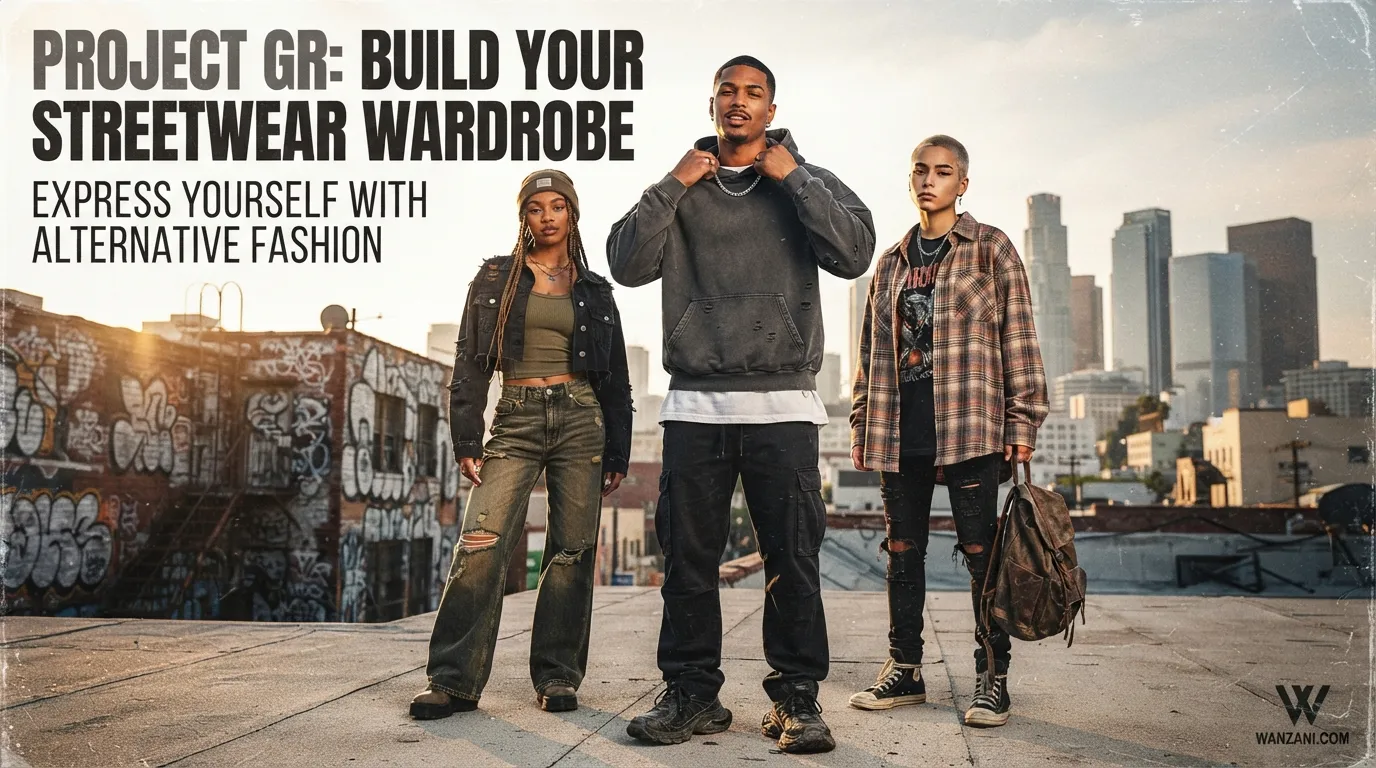
Project GR: How to Build a Unique Streetwear Wardrobe That Reflects Your Personality
Getting dressed should be one of the easiest parts of your day. Yet finding clothes that feel comfortable, look interesting, and reflect your personality isn't always simple. Many wardrobes end up filled with similar jeans, basic shirts, and hoodies that don't offer much variety.
That's where Project GR enters the conversation. With an aesthetic centered on oversized fits, distressed finishes, creative layering, and unconventional designs, Project GR appeals to people who want their everyday clothing to feel less predictable.
Across the United States, streetwear offers plenty of room for experimentation. You might prefer the relaxed atmosphere of California, the layered looks common during New York winters, or a darker, industrial-inspired wardrobe.
Whatever your preference, building a distinctive wardrobe doesn't require following every trend or spending excessively. It starts with understanding what you enjoy wearing and choosing pieces that work together.
Why Project GR Appeals to Alternative Streetwear Enthusiasts
Streetwear has always borrowed ideas from different creative communities, including skateboarding, hip-hop, punk, and contemporary art.
Alternative streetwear takes those influences in more experimental directions. Instead of focusing exclusively on familiar logos and traditional sportswear, it explores unusual shapes, distressed fabrics, and unexpected construction.
Project GR fits into this aesthetic through clothing styles such as oversized hoodies, layered sweatshirts, checked shirts, and distinctive knitwear.
What makes these designs interesting is how easily they can change an outfit.
A plain black T-shirt and jeans might feel ordinary on their own. Add a distressed zip hoodie with an unusual silhouette, and the entire look becomes more expressive.
You don't need a completely new wardrobe. Sometimes one carefully selected piece is enough.
Start Your Project GR Wardrobe With Versatile Essentials
Before buying statement clothing, consider the pieces you already wear regularly.
A useful alternative streetwear wardrobe should include reliable basics that support more experimental designs.
Oversized Hoodies for Everyday Comfort
An oversized hoodie is one of the easiest starting points.
It works with denim, cargo pants, relaxed trousers, and even tailored pieces when the proportions are balanced.
Black, charcoal, faded gray, and muted earth tones are particularly versatile because they pair easily with other colors.
If you prefer a more dramatic appearance, consider washed finishes, unusual zipper placements, or distressed details.
For a casual weekend outfit, try combining a roomy hoodie with straight-leg jeans and low-profile sneakers.
The result feels relaxed without requiring complicated styling.
Statement Shirts That Add Character
Shirts can make a surprisingly strong impression in alternative fashion.
Checked patterns, asymmetric cuts, cropped lengths, and layered constructions introduce visual interest without relying on bold graphics.
For example, a padded checked shirt can work as an outer layer during mild fall weather.
A cropped checked shirt can also create an interesting contrast with high-waisted, wide-leg pants.
Pay attention to where the shirt ends relative to your waist. Small changes in length can noticeably affect the overall silhouette.
Distressed Sweatshirts and Knitwear
Distressed sweatshirts offer another way to make casual outfits feel more individual.
Vintage washes, textured fabric, and intentionally worn-looking details create a different mood from conventional athletic sweatshirts.
Knitwear introduces additional possibilities.
A textured pullover paired with black denim and simple boots can create an outfit that feels expressive without being overly complicated.
When choosing knitwear, review the care instructions. Some textured materials require gentler washing or flat drying to maintain their shape.
How to Mix Project GR Clothing With Your Existing Wardrobe
One common mistake when experimenting with alternative fashion is assuming every item must look unconventional.
In practice, combining statement pieces with familiar basics often creates more wearable outfits.
Balance Oversized and Fitted Pieces
Proportion matters more than clothing size alone.
If you're wearing a particularly oversized sweatshirt, straight-leg pants can provide structure.
Alternatively, a cropped shirt with wide-leg trousers creates contrast between the upper and lower halves of the outfit.
Neither approach is automatically better. The right combination depends on your preferred silhouette.
Try different outfits in front of a full-length mirror and pay attention to how the garments move when you walk or sit.
Use Color to Connect Different Pieces
You don't need a completely black wardrobe to enjoy alternative streetwear.
Olive green, washed brown, faded blue, cream, and charcoal can all work together.
A simple method is to begin with two neutral colors and introduce one contrasting shade.
For instance, combine a charcoal hoodie with black cargo pants and muted green sneakers.
This creates visual interest while keeping the outfit cohesive.
Experiment With Texture Instead of More Accessories
When an outfit feels too plain, adding another accessory isn't always the answer.
Different fabric textures can create contrast naturally.
Try pairing a washed cotton sweatshirt with structured denim or combining a soft knit pullover with heavier cargo pants.
The contrast between materials can make an outfit more interesting without introducing unnecessary details.
Styling Alternative Streetwear for Different US Seasons
The United States has dramatically different climates, so a practical wardrobe needs to account for where you live.
Spring: Lightweight Layers
Spring weather can change quickly, particularly in cities such as Boston, Chicago, and Philadelphia.
A relaxed shirt over a basic T-shirt provides flexibility.
Choose breathable fabrics and keep a lightweight jacket available for cooler evenings.
Summer: Focus on Breathability
In warmer areas such as Texas, Arizona, and Florida, heavy layering can become uncomfortable.
Choose lightweight shirts, relaxed T-shirts, and breathable pants.
Oversized clothing may allow easier movement, but fabric composition still matters. A thick synthetic garment can feel warmer than a lightweight cotton alternative.
Fall and Winter: Build Layers Strategically
Cooler weather creates more opportunities to combine different silhouettes.
Start with a comfortable base layer, add a sweatshirt or knit pullover, and finish with an appropriate jacket.
A distressed hoodie beneath a structured coat can create an appealing contrast between casual and tailored clothing.
In freezing conditions, prioritize insulation, wind protection, and suitable footwear rather than relying on appearance alone.
Finding Inspiration Beyond Conventional Fashion Trends
Developing personal style is easier when you look beyond a single brand or social media trend.
Music photography, independent magazines, vintage clothing, and street photography can all provide useful ideas.
Notice how people combine garments rather than simply copying complete outfits.
You might discover that you prefer oversized upper layers, muted colors, and minimal accessories. Someone else may enjoy cropped silhouettes, bold textures, and contrasting proportions.
Exploring different creative perspectives can help refine these preferences. Online resources such as Wanzani can also serve as a starting point for further browsing and inspiration.
The important thing is to adapt ideas to your own lifestyle instead of treating someone else's wardrobe as a shopping checklist.
What to Check Before Buying Project GR Clothing Online
Online shopping makes discovering alternative clothing easier, but unconventional designs deserve extra attention.
Compare actual measurements. A garment labeled oversized may have a different fit from another item in the same size. Check chest width, shoulder measurements, sleeve length, and overall length.
Look closely at product photos. Examine fabric texture, distressed details, closures, and how the garment sits on the model.
Read the material description. Different fabrics affect comfort, weight, stretch, and maintenance.
Consider the cost per wear. A distinctive garment becomes a better purchase when you can incorporate it into several outfits.
Check US delivery information. Review shipping fees, delivery estimates, return conditions, and possible import charges before ordering.
These considerations help you make informed decisions rather than purchasing something based on appearance alone.
Conclusion: Make Project GR Work for Your Everyday Style
Building an interesting wardrobe isn't about owning the largest collection of clothing. It's about finding pieces that express your personality and fit naturally into your daily routine.
Project GR offers inspiration for people drawn to oversized silhouettes, distressed textures, layered designs, and unconventional streetwear.
Whether you're experimenting with your first statement hoodie or refining an established alternative wardrobe, start with versatile basics and gradually introduce more distinctive garments.
The most satisfying personal style is one that looks good to you, feels comfortable, and remains practical long after a particular trend fades.
Frequently Asked Questions
1. Is Project GR suitable for everyday streetwear outfits?
Yes. Project GR-inspired pieces such as oversized hoodies, checked shirts, and distressed sweatshirts can be styled with everyday essentials like jeans, cargo pants, and sneakers.
2. What colors work best with Project GR streetwear?
Black, charcoal, washed gray, olive green, and muted brown are versatile starting points. These shades work well with distressed textures and layered silhouettes, although brighter colors can also be incorporated.
3. How can I build a Project GR-inspired wardrobe on a budget?
Start with basics you already own and add one distinctive piece at a time. Focus on versatile designs, compare garment measurements, review material quality, and prioritize clothing you'll wear regularly.
Related Reading
Why Lifestyle & Culture is Transforming the Global Industry Landscape
Welcome to our in-depth exploration of Lifestyle & Culture. In an era define...
Expert Insights: Navigating the Complex World of Lifestyle & Culture
Welcome to our in-depth exploration of Lifestyle & Culture. In an era define...