Residential Solar Panel Installation Services Dallas TX | Sunaura Solar
By cavin smith
100 Views
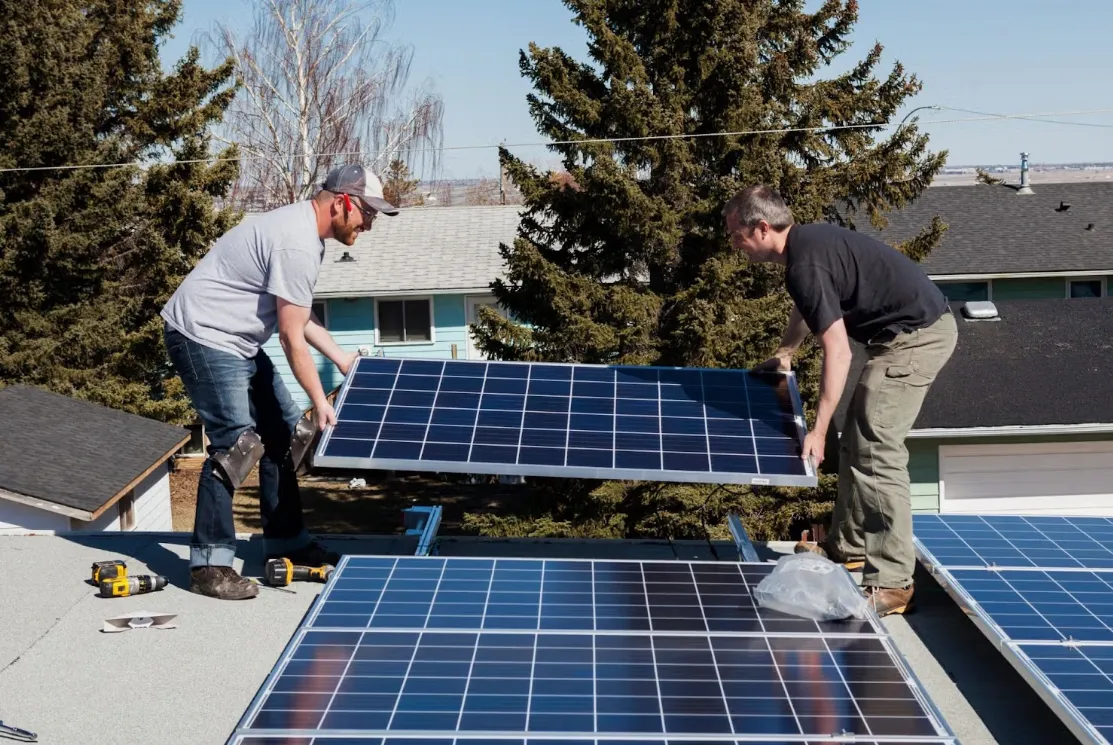
As electricity costs, energy independence, and interest in renewable power continue to influence homeowners, rooftop solar has become an increasingly practical consideration in Dallas. Choosing the right residential solar panel installation services Dallas TX can help homeowners evaluate their property's energy needs, roof conditions, available space, and long-term goals before investing in a solar system. A professionally designed installation is about more than placing panels on a roof; it involves understanding household electricity consumption, selecting appropriately sized equipment, completing required permitting, and integrating the system safely with the home's electrical infrastructure.
For homeowners researching residential solar panel installation services Dallas TX, the quality of the installation can have a meaningful impact on how effectively the system performs over time. Sunaura Solar provides residential solar solutions designed around individual property requirements, with a process that includes system planning, permitting, professional installation, utility interconnection, monitoring setup, and customer guidance. The company serves homeowners across the Dallas-Fort Worth area and approaches solar installation as a complete project rather than a one-size-fits-all equipment purchase.
Understanding Residential Solar Installation
A residential solar installation converts sunlight into electricity that can be used by a home's electrical system. The process typically begins with evaluating household energy consumption and determining how much solar generation may be appropriate for the property. Roof orientation, available installation area, shading, roof condition, and electrical infrastructure can all influence system design. The equipment may include photovoltaic panels, an inverter or power electronics, mounting hardware, electrical protection components, and, where appropriate, battery storage. A properly designed system should account for both current energy requirements and the homeowner's longer-term objectives. Instead of selecting equipment based solely on the number of panels that can fit on a roof, professional planning considers how the complete system is expected to operate. This approach can help homeowners make more informed decisions about system size, equipment selection, and future energy needs.
Evaluating Your Home Before Installing Solar
A property's physical characteristics are an important part of solar planning. Before installation, the roof should be assessed for its age, condition, available space, slope, and suitability for mounting solar equipment. Installing a new array on a roof that is already approaching the end of its useful life may create complications later if the panels need to be removed for roof replacement. Shading from nearby buildings, trees, or other structures can also affect potential solar production. In addition, the home's electrical service should be evaluated to determine whether upgrades or other electrical work may be appropriate. Sunaura Solar's installation process begins with reviewing energy usage, roof conditions, and homeowner goals before engineering the proposed system. This preliminary evaluation provides a practical foundation for designing a solar solution around the property rather than simply installing a predetermined package.
Designing a System Around Energy Needs
Solar system sizing should be based on actual energy consumption and realistic production expectations. Reviewing electricity usage over an extended period can reveal seasonal patterns and help identify the home's typical demand. Homeowners should also consider future changes, such as purchasing an electric vehicle, adding major appliances, expanding living space, or installing battery storage. A system designed around current consumption alone may not be the best long-term solution if household electricity needs are expected to change significantly. Professional system design can balance available roof space, expected solar generation, equipment capabilities, and the homeowner's objectives. The goal is to develop a system that makes practical use of the available installation area while avoiding unnecessary equipment. A carefully considered design can also make future upgrades easier to evaluate.
Permits, Electrical Requirements, and Utility Interconnection
Solar installation involves more than physical construction. Depending on the property and project, permits, inspections, utility requirements, and electrical considerations must be addressed before the system can operate as intended. A professional solar contractor can prepare the necessary plans, manage the permitting process, and coordinate required inspections. Electrical connections should be completed according to applicable requirements, with appropriate labeling and protection for the installed equipment. Utility interconnection is another important stage because the solar system needs to be properly connected to the property's electrical service and approved for operation under the applicable utility process. Sunaura Solar describes its installation workflow as including plan preparation, permit submission, installation, inspections, utility connection, monitoring setup, and homeowner walkthrough. Handling these steps systematically can reduce confusion and provide homeowners with a clearer understanding of where their project stands.
Professional Installation and Equipment Quality
The physical installation has a direct relationship with the long-term reliability of a solar system. Panels need to be securely mounted, electrical connections properly completed, and wiring routed in an organized manner. Mounting equipment should be appropriate for the roof and installation conditions, while roof penetrations need to be handled carefully to help protect the building envelope. Equipment quality also matters, but homeowners should look beyond brand recognition and focus on whether the selected components are appropriate for the system design. An installer should be able to explain the major equipment choices and how they work together. Sunaura Solar states that its licensed electricians install solar panels and batteries to code while emphasizing clean wire management and labeling. Professional installation practices can help create a system that is easier to inspect, maintain, and troubleshoot throughout its operating life.
The Role of Battery Storage in Residential Solar
Solar panels generate electricity when sunlight is available, while household energy demand can continue after sunset. Battery storage can help bridge this difference by storing available energy for later use. It can also provide backup power capabilities during certain electrical outages when the system and battery configuration support that function. Whether a battery makes sense depends on the homeowner's energy priorities, budget, electricity usage patterns, and desired level of backup. Some households may prioritize maximizing the use of their solar generation, while others may be particularly interested in maintaining selected loads during outages. Battery storage should therefore be considered as part of the broader energy strategy rather than automatically added to every solar installation. A professional consultation can help determine whether storage is appropriate and how it would interact with the planned solar system.
Monitoring and Maintaining a Residential Solar System
Installation is the beginning of solar ownership rather than the end. Monitoring allows homeowners and service professionals to review system performance and identify potential issues. A sudden change in production may indicate equipment problems, communication interruptions, shading changes, or other conditions that deserve attention. Routine visual inspections and appropriate maintenance can also help keep a system operating effectively. Dust, pollen, leaves, and other environmental buildup may affect production depending on the property's surroundings and weather conditions. Electrical components, mounting hardware, and wiring should also be checked when service is required. Sunaura Solar offers solar inspection, repair, maintenance, and cleaning services in addition to new installations. Establishing a sensible maintenance approach can help homeowners understand how their system is performing and address potential issues before they become more complicated.
Choosing the Right Solar Installation Company in Dallas
The contractor selected for a residential solar project can influence the experience from initial consultation through long-term service. Homeowners should consider licensing, insurance, installation experience, communication, project documentation, warranty information, and the contractor's ability to provide support after installation. It is also useful to ask who handles permitting, inspections, utility coordination, monitoring setup, and future maintenance. A low initial price does not necessarily represent the best overall value if communication is poor or support becomes difficult after installation. Sunaura Solar presents itself as a licensed and insured electrical contractor serving Dallas-Fort Worth and other Texas markets, with a focus on code-compliant installation, transparent scheduling, and performance verification. A clear scope of work and realistic expectations can help homeowners make a more informed choice.
Preparing for Your Solar Installation
Homeowners can contribute to a smoother project by preparing relevant information before the initial consultation. Recent electricity bills can help the installer understand household consumption, while information about planned renovations or future electrical upgrades can influence system planning. The roof's age and condition should also be discussed honestly. If a roof replacement may be needed in the near future, addressing that issue before installing solar can prevent the possibility of removing and reinstalling the array later. Homeowners should also think about whether battery storage, electric vehicle charging, or other energy technologies may become part of their property in the future. Discussing these considerations early allows the installer to evaluate the complete energy picture. Good preparation does not require homeowners to understand every technical detail; instead, it gives the solar professional the information needed to design a solution that fits the property.
Conclusion
Investing in residential solar requires thoughtful planning, suitable equipment, professional electrical work, and dependable support after installation. From evaluating roof conditions and energy consumption to designing the system, managing permits, installing equipment, completing utility interconnection, and establishing monitoring, each stage contributes to the overall quality of the project. Homeowners comparing residential solar panel installation services Dallas TX should look beyond equipment and pricing to evaluate the contractor's technical capabilities, communication, installation standards, and long-term service approach. Sunaura Solar offers a complete residential solar process focused on customized system design, professional installation, clear scheduling, and performance verification. For Dallas homeowners considering a transition to solar energy, the most practical starting point is a professional property and energy assessment that turns broad interest in solar into a realistic plan for the home.
Related Reading
Why Business & Finance is Transforming the Global Industry Landscape
Welcome to our in-depth exploration of Business & Finance. In an era defined...
Expert Insights: Navigating the Complex World of Business & Finance
Welcome to our in-depth exploration of Business & Finance. In an era defined...