Sams Physical Therapy: Physical Therapy for Sports Injuries and Better Recovery
By Lucas Bennett
39 Views
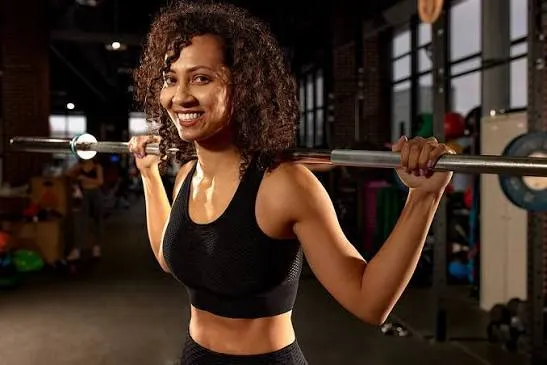
Sports injuries can affect athletes at every level, from competitive players to people who simply enjoy running, exercising, or staying active. A sprain, strain, joint injury, muscle problem, or overuse condition can make it difficult to continue normal activities. Physical Therapy for Sports Injuries can provide a structured approach to recovery by focusing on movement, strength, flexibility, coordination, and a gradual return to activity.
Recovering from an injury is not only about waiting for pain to disappear. The body may also need to rebuild strength, restore mobility, improve movement patterns, and regain confidence before returning to demanding activities. At Sams Physical Therapy, rehabilitation can be tailored to the individual's condition, activity level, physical findings, and recovery goals.
Understanding Common Sports Injuries
Sports injuries can happen because of sudden accidents, repeated stress, poor movement mechanics, inadequate recovery, or changes in training intensity. Common examples include ankle sprains, knee problems, muscle strains, tendon injuries, shoulder conditions, and other musculoskeletal concerns that can interfere with physical activity.
The symptoms and recovery process can vary significantly from one injury to another. An athlete may experience pain, swelling, weakness, stiffness, reduced range of motion, or difficulty putting weight on an affected area. Understanding the nature of the injury is an important first step toward selecting an appropriate rehabilitation strategy.
How Physical Therapy for Sports Injuries May Help
Physical Therapy for Sports Injuries can help address physical limitations that develop after an injury. Depending on the evaluation, treatment may include therapeutic exercise, mobility activities, strengthening, balance training, movement education, and functional exercises related to the individual's sport or daily activities.
The goal is not simply to make an injured area feel better temporarily. Rehabilitation can focus on restoring physical abilities that are important for safe participation. Treatment can progress as strength, movement quality, tolerance, and confidence improve, while remaining appropriate for the person's condition.
Evaluating an Injury Before Treatment
A physical therapy evaluation typically begins with a discussion about the injury, symptoms, activity level, previous injuries, and the individual's goals. Understanding how the injury occurred and which activities increase symptoms can provide useful information when developing a rehabilitation plan.
The physical assessment may examine movement, strength, flexibility, balance, coordination, and functional abilities. These findings can help identify areas that need attention and provide a starting point for tracking progress throughout recovery.
Managing Pain and Movement Limitations
Pain can change how a person moves. An athlete may begin avoiding certain positions or placing additional stress on another part of the body because of discomfort. Over time, these compensations can make normal movement more difficult.
Physical therapy can use appropriately selected exercises and movement strategies to help an individual gradually restore comfortable function. Treatment should remain within appropriate limits rather than forcing painful movements or progressing activities too quickly.
Rebuilding Strength After an Injury
Muscle weakness can develop when an athlete reduces activity because of pain, surgery, immobilization, or injury. Even when pain has improved, weakness may remain and affect performance or confidence.
A rehabilitation program can introduce strengthening exercises based on the individual's current abilities. Progression may involve increasing resistance, repetitions, control, or functional demands as appropriate. The focus is on rebuilding useful strength rather than rushing toward the most difficult exercises.
Improving Balance and Coordination
Balance and coordination are important for many sports and physical activities. An ankle injury, knee problem, or other lower-extremity condition can affect how confidently a person changes direction, lands, runs, or maintains control.
Depending on the injury, rehabilitation may include balance exercises, controlled movements, and sport-related drills. These activities can help an individual practice stability and movement control in a progressive environment before returning to more demanding activities.
Restoring Flexibility and Mobility
Stiffness can occur after an injury and may limit normal movement. Restricted mobility can affect the way an athlete walks, squats, reaches, runs, or performs sport-specific movements.
When limited mobility is identified during an evaluation, a therapist may incorporate stretching, mobility exercises, active movement, or other appropriate techniques. Improving movement gradually can help an individual work toward the range of motion needed for everyday activities and athletic participation.
Returning to Sports Gradually
Returning to a sport immediately after pain decreases does not always mean the body is ready for full activity. Strength, coordination, endurance, balance, and movement tolerance may also need to be considered.
A gradual return-to-activity process allows physical demands to increase over time. Depending on the injury and sport, rehabilitation may progress from basic movements to more challenging exercises and eventually to activities that resemble the individual's normal training or competition.
Exercises Commonly Used in Sports Rehabilitation
The exercises used during rehabilitation depend on the type of injury and the person's physical needs. A program for a runner may differ significantly from one designed for a basketball player, weightlifter, or recreational athlete.
Depending on the evaluation, rehabilitation may include:
- Strengthening exercises for affected and supporting muscles.
- Balance and stability activities.
- Mobility and flexibility exercises.
- Core and lower- or upper-body conditioning.
- Functional and sport-specific movement drills.
Exercises may be adjusted as the individual progresses. Proper technique and controlled movement are important because rehabilitation is intended to improve physical capacity while respecting the healing process.
Preventing Future Sports Problems
Rehabilitation can also provide an opportunity to identify physical factors that may contribute to recurring problems. Weakness, limited mobility, poor movement control, or insufficient conditioning may influence how the body handles repeated athletic demands.
A therapist can help an individual understand areas that may require continued attention. Appropriate strengthening, mobility work, warm-up routines, recovery strategies, and gradual increases in training demands can all be considered as part of a broader approach to maintaining physical readiness.
Recovering From Overuse Injuries
Not every sports injury happens during one obvious accident. Repetitive activities can place repeated stress on muscles, tendons, joints, and other tissues. Increasing training volume too quickly or failing to allow adequate recovery may contribute to overuse problems.
Rehabilitation for an overuse condition may involve modifying activities while maintaining appropriate movement and conditioning. The objective is to address relevant physical limitations while gradually rebuilding tolerance for the activities that caused or aggravated symptoms.
Supporting Athletes at Different Levels
Sports rehabilitation is not limited to professional or competitive athletes. People who walk, run, cycle, lift weights, participate in recreational leagues, or exercise for fitness can also experience injuries that interfere with their routines.
Treatment goals should reflect the individual's lifestyle and priorities. For one person, success may mean returning to competitive competition, while another may simply want to walk comfortably, return to the gym, or participate in a favorite recreational activity without unnecessary limitations.
Creating an Individualized Recovery Plan
Every injury has its own circumstances. Two people with similar diagnoses may have different strength levels, symptoms, activity demands, recovery timelines, and goals. Because of these differences, rehabilitation should not rely on a one-size-fits-all exercise routine.
At Sams Physical Therapy, an individualized approach can focus on the person's current abilities and desired activities. The rehabilitation plan can be adjusted as physical function changes, helping keep exercises and activity progression relevant throughout recovery.
Building Confidence During Recovery
An injury can sometimes create uncertainty even after physical symptoms begin improving. Athletes may worry about reinjury, hesitate during certain movements, or feel less confident performing activities that were previously routine.
Progressive rehabilitation can provide opportunities to practice movements in a controlled setting. As strength, balance, mobility, and activity tolerance improve, individuals can gradually become more comfortable using the injured area again and working toward their normal activities.
Knowing When Professional Help May Be Appropriate
Persistent pain, swelling, weakness, reduced movement, instability, or difficulty returning to normal activities may indicate that an injury deserves professional evaluation. Continuing to push through symptoms without understanding the underlying problem may not be the best approach.
A physical therapist can assess movement and physical limitations and determine whether rehabilitation is appropriate. Severe injuries, significant trauma, suspected fractures, or symptoms requiring medical diagnosis should receive appropriate medical evaluation before beginning or progressing an exercise program.
Why Choose Sams Physical Therapy
Choosing the right rehabilitation approach can make the recovery process more organized and focused on meaningful goals. Rather than concentrating only on the injured area, physical therapy can consider how strength, mobility, balance, coordination, and movement affect the activities a person wants to resume.
For individuals searching for Physical Therapy for Sports Injuries, Sams Physical Therapy offers an opportunity to discuss injury-related movement limitations and develop rehabilitation goals based on individual needs. Treatment can be adjusted as recovery progresses, helping individuals work toward improved physical function and a confident return to activity.
Conclusion
Sports injuries can temporarily change the way people move, exercise, work, and participate in activities they enjoy. Physical Therapy for Sports Injuries can support recovery by addressing areas such as strength, mobility, balance, flexibility, coordination, and functional movement according to the individual's needs.
A thoughtful rehabilitation program should consider the type of injury, current physical abilities, activity demands, and personal goals. With individualized guidance from Sams Physical Therapy, athletes and active individuals can work toward restoring function, improving movement confidence, and gradually returning to the activities that matter to them.
Related Reading
Why Business & Finance is Transforming the Global Industry Landscape
Welcome to our in-depth exploration of Business & Finance. In an era defined...
Expert Insights: Navigating the Complex World of Business & Finance
Welcome to our in-depth exploration of Business & Finance. In an era defined...