Should You Choose External Wall Insulation or Wall Coatings?
By saho
4 Views
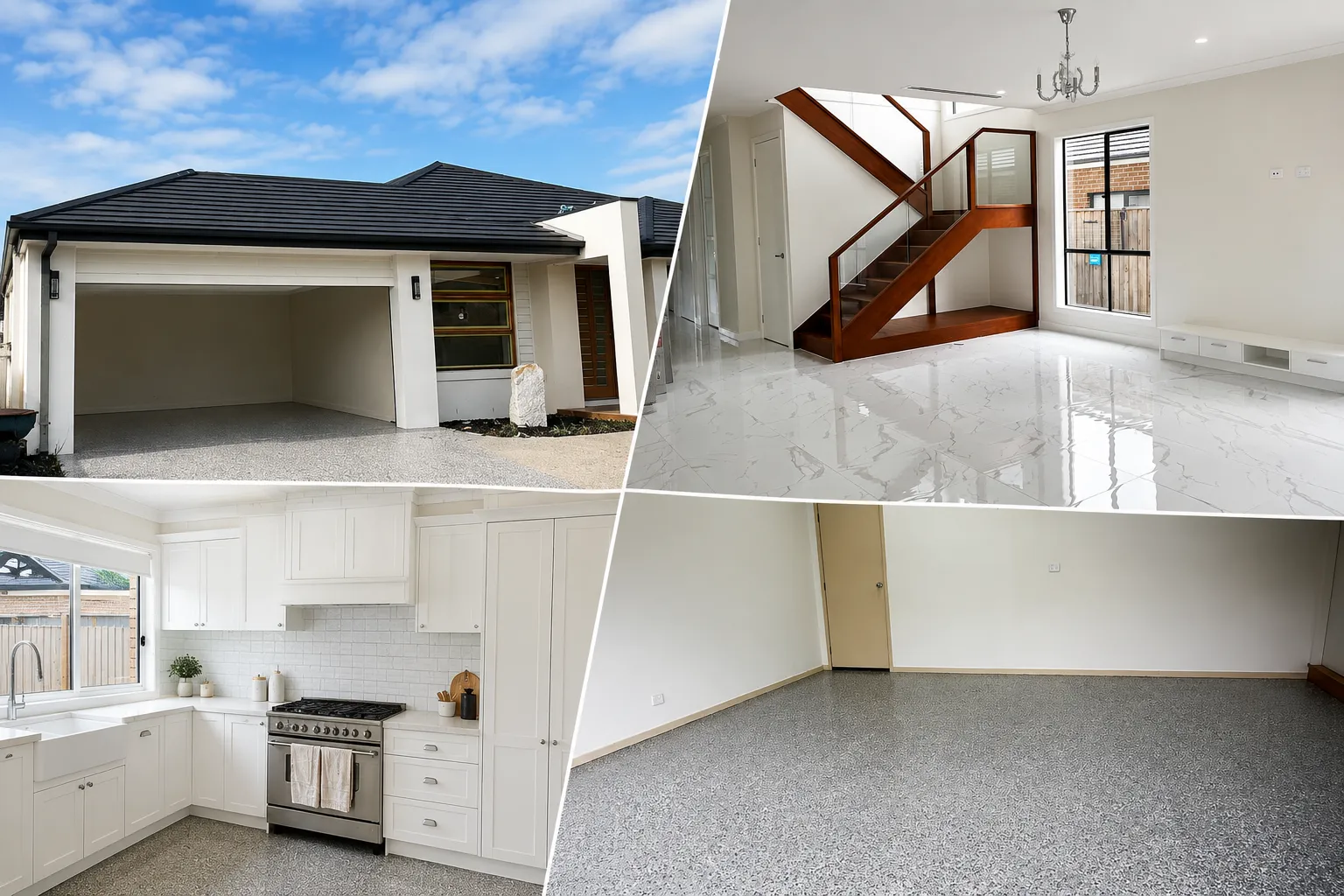
When your home's exterior walls look tired, cracked, damp, or difficult to keep warm, two solutions often come up: insulation and protective coatings. Both can improve your property, but they solve different problems.
Choosing between them is not simply about finding the cheaper option. You need to consider your home's condition, energy performance, appearance, maintenance needs, and long-term plans.
Understanding the difference between external wall insulation and wall coatings can help you avoid spending money on a treatment that does not address the real problem.
So, which option makes more sense for your property?
What Is External Wall Insulation?
External wall insulation involves fixing an insulating layer to the outside of an existing wall. The insulation is normally covered with a reinforced base coat and a weather-resistant finish.
The main purpose is to reduce heat transfer through the walls. During winter, less heat escapes from the building. During warmer months, the insulation can also help keep indoor temperatures more stable.
How Does External Wall Insulation Work?
The system creates an additional thermal layer around the outside of the property.
Depending on the building and project requirements, installers may use materials such as expanded polystyrene, mineral wool, or other insulation boards. The chosen system is then secured, reinforced, and finished with a suitable render or coating.
Because the work happens outside, there is usually less disruption inside the property than with internal insulation.
What Problems Can It Address?
This solution can be useful when a property has poor thermal performance or walls that lose considerable heat.
It may also improve the external appearance of an older building because the final finish can give tired walls a fresh, uniform look.
However, installation requires careful planning. Existing cracks, damp problems, loose render, and damaged masonry should be assessed before work begins.
What Are External Wall Coatings?
External wall coatings are protective finishes applied directly to suitable exterior surfaces. They are designed primarily to improve weather resistance and appearance.
Modern coatings can help protect walls against rain, moisture penetration, dirt, and general weather exposure. Some products are also designed to bridge minor surface imperfections.
They do not work in the same way as insulation systems.
What Are the Benefits of Wall Coatings?
One major advantage is the relatively straightforward nature of the work.
A suitable coating can transform a faded or weathered exterior without adding a thick insulation layer. This makes it attractive for homeowners who mainly want to improve the appearance and protection of their walls.
The exterior wall coating benefits can include improved weather resistance, easier maintenance, refreshed appearance, and protection against everyday environmental exposure.
For a property with sound walls and reasonable thermal performance, this may be all that is needed.
How Do Insulation and Wall Coatings Compare?
The biggest difference comes down to purpose.
Insulation focuses on thermal performance. A coating focuses mainly on surface protection and appearance.
This distinction matters because homeowners sometimes expect a protective coating to solve a serious heat-loss problem. It may improve the wall's resistance to weather, but it is not a replacement for a properly designed insulation system.
Which Option Offers Better Energy Performance?
If reducing heat loss is your main goal, insulation generally has the stronger advantage.
A properly installed insulation system adds meaningful thermal resistance to the building envelope. This can make rooms more comfortable and potentially reduce heating demand.
A coating may contribute to weather protection, but its effect on overall thermal performance is much more limited.
Therefore, when comparing wall insulation vs wall coatings, think about the problem you are actually trying to solve.
Is the house difficult to heat?
Or are the walls simply looking worn and exposed to harsh weather?
The answer can point you toward the right solution.
How Much Does Exterior Wall Insulation Cost?
The exterior wall insulation cost varies significantly from one property to another.
Several factors affect the final price, including wall size, insulation material, access, preparation work, scaffolding, the existing surface, and the chosen finish.
Older properties may require additional preparation before installation. Cracks, damaged render, unstable surfaces, or moisture problems can increase the amount of work involved.
It is also important to look beyond the initial quotation.
A properly installed system may provide benefits for many years, particularly where improved thermal efficiency is important. The cheapest quote is not automatically the best investment.
What Makes Insulation More Expensive?
The size and shape of the building naturally affect the amount of material and labour required.
Difficult access can also increase costs. Windows, doors, pipes, vents, roof details, and architectural features require careful detailing.
Preparation is another major consideration. If the existing exterior needs substantial repair, that work should be addressed before the insulation system is installed.
Are Wall Coatings More Affordable?
In many situations, coating an existing wall can cost less than installing a complete insulation system.
There is less material involved, and the installation process is generally less extensive.
However, price should not be the only consideration.
If the property has significant heat-loss problems, choosing a coating simply because it costs less could leave the main issue unresolved.
A good contractor should assess the condition of the walls and understand what you want to achieve before recommending a product.
When Should You Choose Wall Coatings?
Wall coatings can make sense when the existing walls are structurally sound but need improved protection or a visual refresh.
They can be particularly useful for properties exposed to frequent rain, wind, and changing weather conditions.
Could Coatings Help With Minor Wall Imperfections?
Some specialist coatings can help disguise or bridge minor surface imperfections. They can create a more consistent finish while providing another layer of protection.
That said, coatings should not be used to hide serious structural movement or significant damp problems.
Cracks and moisture issues need proper investigation first.
When Is Insulation the Better Choice?
Insulation becomes more attractive when energy efficiency and indoor comfort are major priorities.
If your rooms feel cold despite regular heating, or the exterior walls feel particularly cold, improving the building envelope may be worth considering.
It can also be useful during a wider exterior renovation. If the property already needs new render or significant external work, combining those improvements with insulation can make practical sense.
Is Insulation Suitable for Every Property?
Not necessarily.
The wall construction, condition, exposure, moisture behaviour, architectural details, and planning requirements should all be considered.
Properties with unusual construction may require a specialist assessment before a system is selected.
Good installation matters just as much as the insulation material itself. Poor detailing around windows, roof edges, vents, and other junctions can create problems later.
Can You Combine Insulation With a Protective Finish?
Yes. A complete insulation system normally includes a protective external finish.
This means you do not always have to think of insulation and coatings as completely separate choices.
The insulation provides thermal performance, while the final finish protects the system and determines much of the property's appearance.
The important point is that the coating forms part of a properly designed system rather than being treated as a standalone substitute for insulation.
What Should You Check Before Making a Decision?
Start by identifying the biggest problem with your exterior walls.
If the main concern is heat loss, investigate insulation.
If the walls are thermally adequate but look weathered or need better surface protection, a coating may be more appropriate.
You should also consider the property's age, wall construction, current render, damp history, exposure to weather, and your long-term plans.
Getting an assessment from an experienced contractor can prevent costly mistakes.
Should You Get More Than One Quote?
Yes.
Ask contractors to explain what they recommend and why. A useful quotation should make clear what preparation is required, which materials will be used, what finish is proposed, and what work is included.
Be cautious when a contractor recommends a solution without properly examining the existing walls.
Which Option Gives Better Long-Term Value?
There is no universal winner.
Insulation can offer stronger long-term value when reducing heat loss is important. A coating may provide excellent value when the main goal is protecting and improving otherwise sound exterior walls.
The right choice depends on the property rather than simply the price tag.
Think about what you want the work to achieve five or ten years from now. A slightly larger investment today can make sense if it addresses a problem that would otherwise continue.
Final Thoughts
Choosing between insulation and coatings starts with understanding your property's needs. Insulation is mainly about improving thermal performance, while coatings focus on protecting and refreshing the exterior surface.
Neither solution should be selected simply because it looks cheaper on a quotation. Wall condition, moisture, installation quality, energy performance, and long-term maintenance all deserve attention.
FAQs
1. Is external wall insulation better than a wall coating?
It depends on your goal. Insulation is generally better for improving thermal performance, while coatings are more suitable for surface protection and appearance.
2. Can a wall coating improve energy efficiency?
A coating can improve weather resistance, but it should not be considered a substitute for a properly designed insulation system when significant heat loss is present.
3. How long can exterior wall coatings last?
Longevity depends on the product, surface preparation, installation quality, weather exposure, and maintenance. A professional assessment can help identify the most suitable coating.
4. Does insulation protect exterior walls from rain?
A correctly designed system includes an appropriate protective finish. The complete system should be installed according to the manufacturer's requirements and the building's conditions.
5. Should I repair damaged walls before applying insulation or coatings?
Yes. Serious cracks, loose materials, damp problems, or unstable surfaces should be investigated and addressed before applying either solution.
If you are unsure which approach suits your property, speak with an experienced professional who can assess the walls and recommend a practical solution. For expert advice and professional exterior painting and wall services, visit Aussie Painters SA and discuss your project with the team.