Smart Home Diagnostics Trends Solving Thermostat Display Issues in 2026 Now
By Gleason HVAC
167 Views
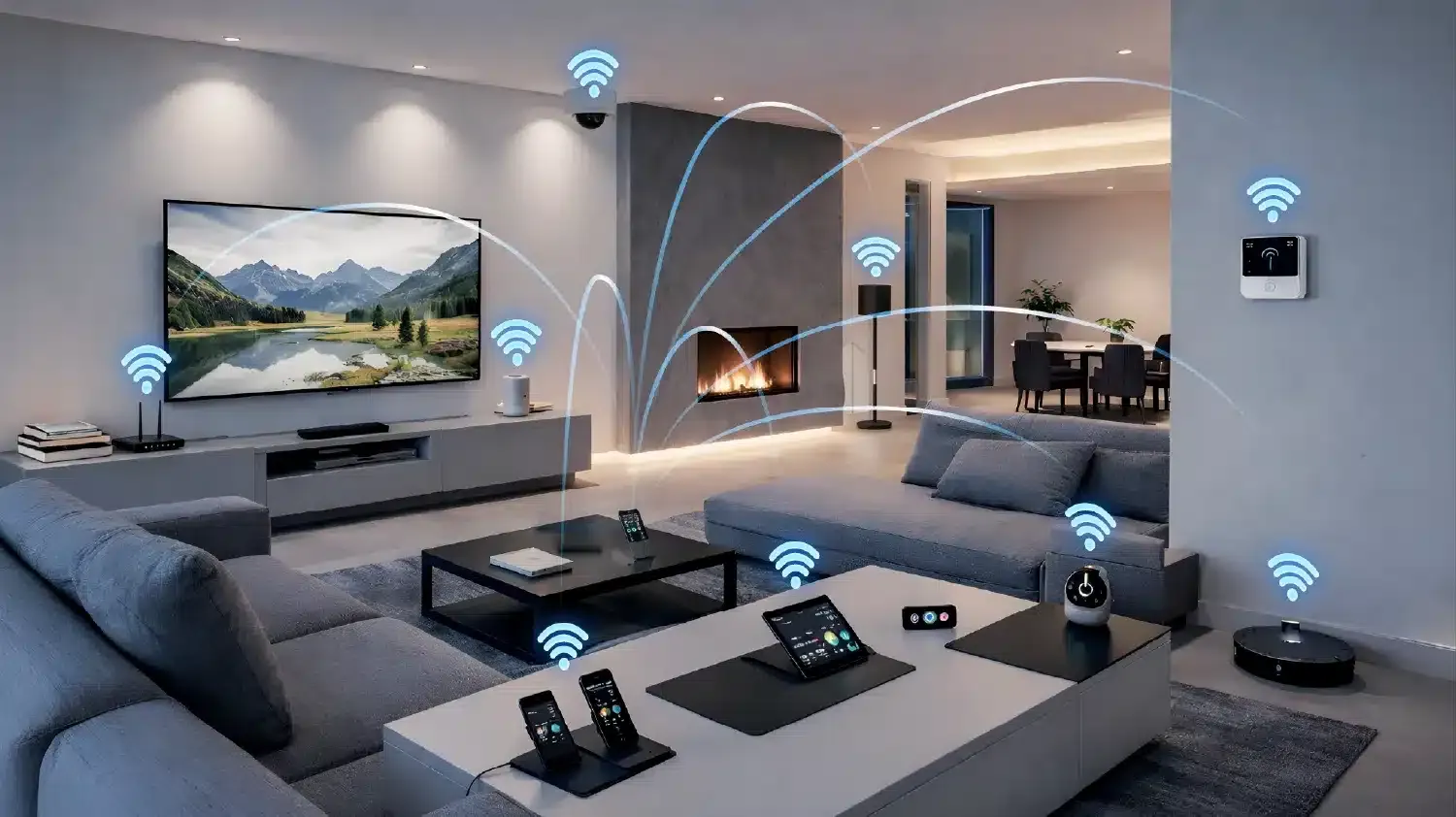
Modern homes are becoming increasingly dependent on smart technology to deliver comfort, convenience, and energy savings. From connected lighting systems to intelligent climate controls, homeowners expect their devices to work seamlessly every day. However, as smart home adoption continues to grow in 2026, the importance of system diagnostics and proactive maintenance has become more evident than ever.
One of the most significant trends in residential technology is the shift toward predictive monitoring. Rather than waiting for equipment to fail, homeowners are using advanced diagnostic tools and smart applications to identify potential issues before they disrupt daily life. This trend is helping reduce downtime, improve energy efficiency, and extend the lifespan of essential home systems.
The Rise of Intelligent Home Monitoring
Smart home ecosystems are no longer limited to convenience-focused features. Modern platforms now collect and analyze operational data from connected devices, providing valuable insights into system performance. Whether monitoring temperature consistency, energy consumption, or device connectivity, these solutions help homeowners detect irregularities early.
Artificial intelligence is playing a major role in this transformation. Advanced algorithms can identify unusual behavior patterns and notify users when attention may be needed. This proactive approach minimizes unexpected interruptions and helps ensure that critical systems continue operating efficiently throughout the year.
As smart thermostats become standard in many households, manufacturers are focusing on enhanced reliability and self-diagnostic capabilities. These improvements allow homeowners to troubleshoot common problems quickly and accurately without extensive technical knowledge.
Why Display and Connectivity Issues Matter
The thermostat serves as the command center of a home's heating and cooling system. When it operates correctly, homeowners can manage comfort settings, monitor energy usage, and optimize performance with ease. However, display-related issues can create confusion and limit access to important system controls.
A common concern among homeowners is encountering a honeywell thermostat blank screen, which can prevent access to scheduling features and temperature adjustments. While the issue may seem serious, modern diagnostic tools often make it easier to identify the root cause quickly.
In many cases, display problems can be linked to power interruptions, battery issues, wiring concerns, or software communication errors. The growing integration of smart monitoring technologies allows users to receive alerts and troubleshooting guidance directly through mobile applications, reducing the need for extensive trial-and-error solutions.
Smart Technology Is Simplifying Troubleshooting
One of the biggest developments in 2026 is the use of mobile-first diagnostics. Homeowners can now access detailed device information through dedicated apps that provide real-time status updates and maintenance recommendations.
These platforms often include step-by-step troubleshooting instructions, helping users resolve common issues safely and efficiently. Some systems can even detect whether a problem originates from the thermostat itself, the HVAC equipment, or the home's electrical supply.
Cloud-based software updates are also improving reliability. Manufacturers regularly release updates that enhance device performance, address bugs, and strengthen connectivity with other smart home components. This ability to improve functionality without replacing hardware has become a major advantage for modern homeowners.
Another trend is remote support. Many service providers now offer virtual diagnostic assistance, enabling technicians to evaluate system information before scheduling an in-person visit. This reduces service delays and helps homeowners receive faster solutions.
Energy Efficiency Remains a Top Priority
As energy costs continue to influence household budgets, homeowners are increasingly focused on maximizing efficiency. Smart thermostats play a crucial role in this effort by automating temperature adjustments based on occupancy patterns, weather conditions, and user preferences.
Machine learning capabilities allow devices to adapt to household routines over time, reducing unnecessary energy consumption while maintaining comfort. These intelligent features support sustainability goals and contribute to lower utility expenses throughout the year.
Reliable thermostat operation is essential for achieving these benefits. When issues arise, prompt diagnosis and resolution help maintain system performance and prevent unnecessary energy waste. This is one reason why homeowners are investing in connected technologies that provide continuous monitoring and instant notifications.
Preventive Maintenance Is Becoming Standard Practice
Preventive maintenance has evolved significantly with the advancement of smart technology. Instead of relying solely on annual inspections, homeowners now receive ongoing insights into system health. Automated reminders, performance reports, and diagnostic alerts help identify concerns before they develop into costly repairs.
For example, if a homeowner notices a honeywell thermostat blank screen, modern monitoring systems can often provide guidance regarding battery status, power supply conditions, or communication errors. This level of visibility empowers homeowners to address minor concerns quickly while maintaining confidence in their home's climate control system.
The broader trend toward predictive maintenance is expected to continue growing as more devices become interconnected. Future systems may leverage even more advanced analytics to forecast component wear and recommend maintenance based on actual operating conditions rather than fixed schedules.
Conclusion
The future of home comfort technology is centered on intelligence, reliability, and user empowerment. As smart home ecosystems continue to evolve throughout 2026, homeowners will benefit from increasingly sophisticated diagnostic tools that simplify maintenance and improve overall performance.
By embracing connected technologies and proactive monitoring strategies, households can reduce disruptions, improve efficiency, and enjoy greater control over their indoor environment. The combination of artificial intelligence, mobile diagnostics, and predictive maintenance is transforming the way homeowners manage comfort systems, creating a smarter and more resilient future for residential living.