Snap 8 Peptide: Safety, Application, and Key Facts
By Jason Brown
52 Views
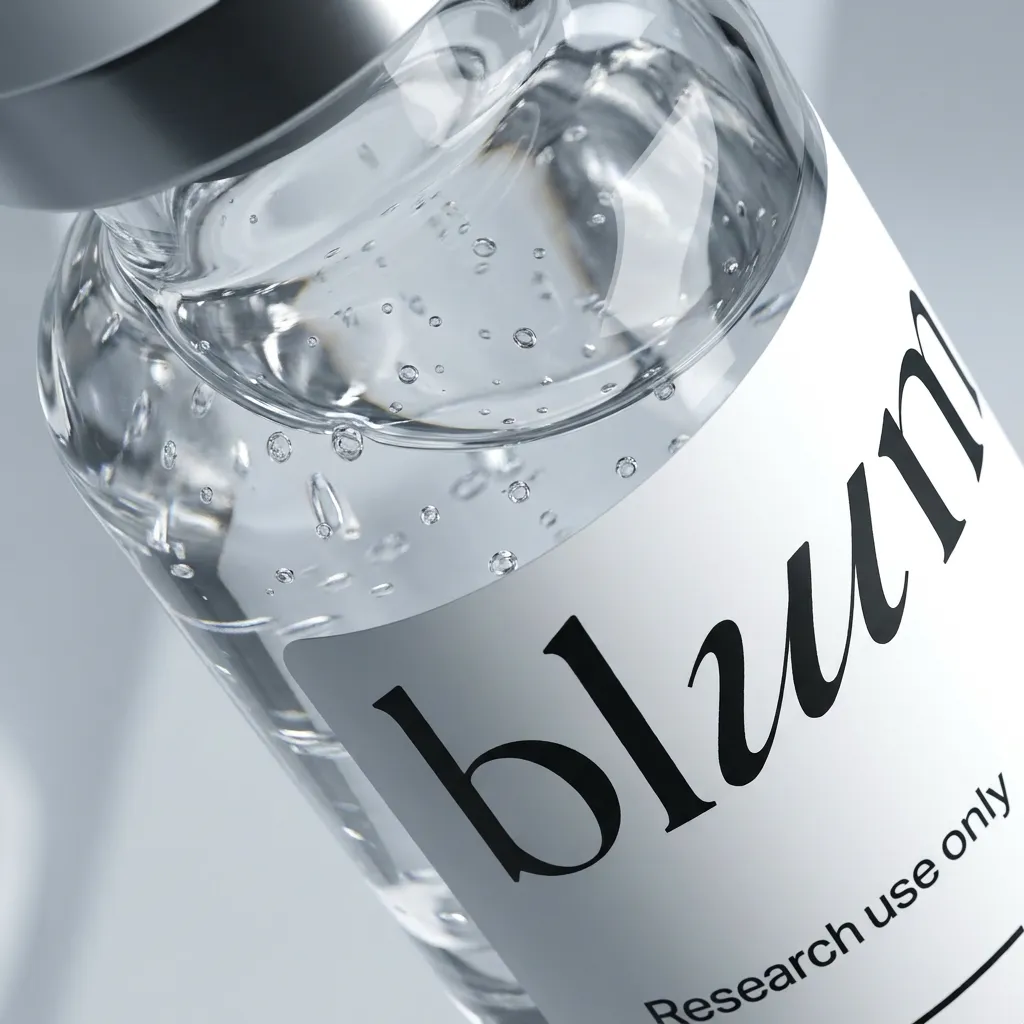
The snap 8 peptide, also known as Acetyl Octapeptide-3, is a synthetic peptide commonly discussed in modern cosmetic skincare research. It is primarily associated with products designed to improve the appearance of expression-related facial lines. Unlike injectable wrinkle treatments, SNAP-8 is generally positioned as a topical cosmetic ingredient. However, understanding its evidence, limitations, and appropriate application is important before making assumptions about what it can achieve.
Interest in cosmetic peptides has grown because different peptide structures are being studied for different skincare purposes. Some are associated with skin conditioning, some with extracellular-matrix signaling, and others with expression-line research. The snap 8 peptide belongs to the latter category, but its evidence should be interpreted carefully. Human research specifically isolating SNAP-8 remains limited, so marketing claims should not be treated as established clinical conclusions.
What Is the Snap 8 Peptide?
SNAP-8 is a synthetic octapeptide whose cosmetic ingredient name is Acetyl Octapeptide-3. It was designed around a portion of SNAP-25, a protein involved in the SNARE complex that participates in neurotransmitter release. This biological connection is the foundation for research into whether the ingredient may influence processes associated with facial expression lines. It is important, however, to distinguish a proposed molecular mechanism from a proven cosmetic outcome.
SNAP-8 is also sometimes confused with Argireline, or Acetyl Hexapeptide-8. Although the two peptides are related and have similar research concepts, they are not identical ingredients. SNAP-8 contains a longer peptide sequence, while Argireline is a separate six-amino-acid peptide. This distinction matters when evaluating scientific studies because evidence for one peptide should not automatically be presented as evidence for the other.
How Is SNAP-8 Applied in Skincare?
The snap 8 peptide is primarily discussed as a topical cosmetic ingredient used in formulations such as serums, creams, and other leave-on skincare products. Application should follow the instructions provided for the finished cosmetic product rather than attempting to create an independent treatment protocol. The concentration of an ingredient in a raw material, a supplier solution, and a finished skincare product can be very different, so these values should never be assumed to be interchangeable.
Another important point is that topical application does not guarantee that a peptide reaches a particular biological target beneath the skin. The outer skin barrier can significantly affect the movement of larger molecules. Some research involving SNAP-8 has examined specialized delivery systems, but results from those systems cannot automatically be applied to an ordinary serum or cream. This is one reason formulation and delivery method are essential parts of evaluating peptide skincare.
Is the Snap 8 Peptide Safe?
Safety should be considered separately from marketing claims about effectiveness. Available information does not establish a comprehensive long-term safety profile for isolated SNAP-8, particularly across different concentrations, formulations, populations, and application conditions. Some finished-product studies involving SNAP-8-containing formulations have reported tolerability during their study periods, but those results cannot establish the safety profile of SNAP-8 by itself because other ingredients and delivery systems were involved.
For ordinary topical skincare, consumers should pay attention to common signs of intolerance such as redness, burning, itching, swelling, or persistent irritation. Introducing one new active product at a time can make it easier to identify an unwanted reaction. Products intended for topical cosmetic use should remain topical. Research-grade peptide material should not be assumed to be sterile, pharmaceutical quality, or appropriate for injection simply because it is sold commercially.
Why Verified Peptides Matter
The phrase verified peptides refers to materials for which important quality characteristics have been documented through appropriate analytical testing. For research-oriented peptide materials, useful documentation may include identity testing, purity analysis, batch information, and a certificate of analysis. These records help researchers determine whether the material they received corresponds to the stated compound and whether the reported quality is consistent with the supplier's specifications.
Verification is especially important because peptide products can differ substantially in manufacturing quality. A label alone does not independently prove identity or purity. Analytical methods such as high-performance liquid chromatography and mass spectrometry can provide different types of information about a peptide sample. For finished cosmetics, additional considerations include the complete formulation, manufacturing controls, packaging, preservation, and stability rather than focusing only on the name of one ingredient.
What Does Research Actually Tell Us?
Research into the snap 8 peptide provides an interesting example of why evidence should be separated from promotional language. SNAP-8 has a scientifically plausible design based on a region associated with SNAP-25 and has been incorporated into cosmetic research and formulations. However, available human evidence has generally involved formulations containing multiple active ingredients or specialized delivery systems rather than rigorous trials that test isolated SNAP-8 as the only active variable.
This means it is difficult to determine exactly how much of an observed cosmetic change should be attributed to SNAP-8 itself. A serum containing several peptides, humectants, antioxidants, and other ingredients may produce an overall effect, but that result does not prove that one peptide caused the outcome. Independent research specifically examining isolated SNAP-8 remains limited, so claims about dramatic or Botox-equivalent results should be treated with caution.
SNAP-8 Is Not the Same as Botox
One of the most important facts about the snap 8 peptide is that it should not be treated as another form of botulinum toxin. Botulinum toxin is a prescription medical treatment administered through injection by qualified professionals for specific indications. SNAP-8 is a cosmetic peptide associated primarily with topical skincare research. Their molecular structures, delivery methods, regulatory contexts, and evidence bases are fundamentally different.
The similarity in marketing language comes largely from the proposed connection with the SNARE pathway and facial expression. That connection does not mean a topical peptide produces the same physiological effect as an injectable neurotoxin. Responsible skincare information should therefore avoid presenting SNAP-8 as a needle-free equivalent of Botox. A more accurate description is that it is a cosmetic peptide being investigated for its potential relationship to the appearance of expression lines.
Important Factors When Choosing a SNAP-8 Product
When evaluating a product containing SNAP-8, start with the ingredient list and the manufacturer's quality information. Look for clear identification of the cosmetic ingredient, transparent labeling, appropriate manufacturing information, and documentation that supports product quality. If a company makes unusually strong claims, consider whether those claims are supported by independent research or primarily by supplier or marketing materials.
It is also useful to consider the entire skincare routine rather than relying on one peptide. Daily sun protection, gentle cleansing, moisturization, and other evidence-based skincare practices can have a much broader role in maintaining healthy-looking skin. A peptide serum should be viewed as one component of a cosmetic routine, not as a replacement for basic skin care or professional treatment when a medical concern is present.
Key Facts About Snap 8 Peptide
Several facts help put the snap 8 peptide into perspective. First, it is a synthetic cosmetic octapeptide commonly identified as Acetyl Octapeptide-3. Second, its proposed activity is connected to SNAP-25 and the SNARE complex, which explains its popularity in expression-line skincare research. Third, it is distinct from Argireline and should not inherit all of Argireline's evidence simply because the ingredients are structurally related.
Finally, evidence quality matters as much as the ingredient name. Human studies involving SNAP-8-containing formulations do not necessarily establish the independent effectiveness of SNAP-8. Likewise, the availability of a research material does not establish that it has been approved for therapeutic use. Consumers and researchers can make more informed decisions by checking identity, analytical documentation, formulation details, intended use, and the strength of available evidence.
Final Thoughts
The snap 8 peptide is an interesting cosmetic ingredient with a proposed mechanism connected to the biology of facial expression. Its use in topical skincare has generated considerable interest, but the current evidence should be interpreted realistically. Research involving combination formulations does not prove that isolated SNAP-8 will produce the same results, and there is not enough independent human evidence to support treating it as equivalent to medical wrinkle treatments.
Quality is another essential consideration. Choosing products supported by transparent testing and reliable documentation can help distinguish well-characterized materials from products supported mainly by marketing language. For anyone researching verified peptides, the same principle applies broadly: confirm what the material is, understand what the evidence actually demonstrates, and avoid extending laboratory or supplier claims beyond their original context.