Solar Panels QLD: How to Select the Best Solar and Battery Package
By Energy Solution Centre Queensland
6 Views
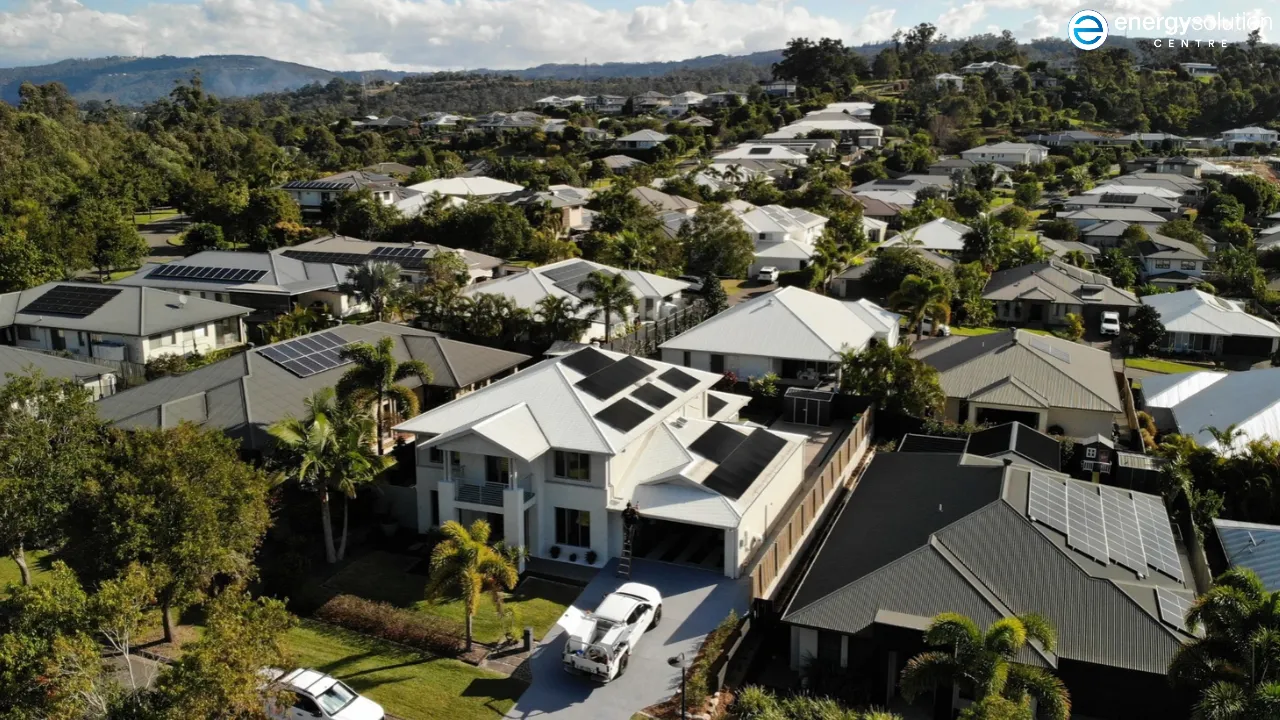
Queensland is one of Australia's most attractive locations for solar energy, thanks to its abundant sunshine and growing interest in renewable power. As households look for practical ways to manage electricity expenses, solar and battery packages are becoming an increasingly appealing option. However, choosing the right system involves more than simply comparing prices or selecting the largest available package.
Investing in solar panels QLD allows homeowners to generate electricity from sunlight, while battery storage provides the opportunity to use excess energy after sunset. Together, these technologies can help reduce reliance on grid electricity, improve energy efficiency and provide greater control over household energy consumption.
With numerous solar panels, inverters and battery technologies available, finding the right combination can feel complicated. Understanding your energy requirements, comparing equipment quality and considering long-term savings will help you make an informed decision.
This guide explores the essential factors Queensland homeowners should consider when selecting a solar and battery package that suits their property, budget and future electricity needs.
Understanding How Solar and Battery Packages Work
A solar and battery package combines rooftop solar panels with an energy storage system. Solar panels generate electricity during daylight hours, while the battery stores some of the unused energy for later consumption.
Without battery storage, excess solar electricity is generally exported to the electricity grid, where homeowners may receive a feed-in tariff from their energy retailer. With a battery, some of this surplus electricity can instead be stored and used during evenings, overnight or periods of reduced solar generation.
A typical solar and battery package includes:
-
Solar panels: Convert sunlight into electricity for household use.
-
Solar inverter: Converts electricity generated by the panels into usable household electricity.
-
Battery storage: Stores surplus energy for later consumption.
-
Battery management system: Controls charging, discharging and battery safety.
-
Energy monitoring software: Helps homeowners track electricity generation, storage and consumption.
Choosing quality solar panels QLD alongside compatible battery technology can create a more flexible household energy system.
However, the financial value of a battery depends on how much surplus solar electricity is available, when electricity is consumed and the cost difference between grid electricity and exported energy.
1. Evaluate Your Household Energy Consumption
Before comparing solar and battery packages, it is important to understand how much electricity your household uses.
Electricity consumption varies considerably between properties. A small household with energy-efficient appliances may have relatively modest requirements, while a larger home with ducted air conditioning, a swimming pool and electric vehicle charging may consume significantly more electricity.
Review Your Electricity Bills
Start by examining your electricity bills from the previous 12 months. Look for your average daily electricity consumption, measured in kilowatt-hours (kWh), and identify any seasonal variations.
Queensland households often experience increased electricity demand during warmer months because of air conditioning. Homes using electric heating, pool pumps or electric hot water systems may also have distinct consumption patterns.
Understanding these variations helps determine an appropriate solar system capacity rather than relying on a generic package recommendation.
Identify When You Use Electricity
The timing of electricity consumption is just as important as the total amount.
Households that use significant electricity during daylight hours may benefit from consuming solar energy directly. Meanwhile, households with higher evening consumption may find battery storage particularly useful.
For example, a family that operates appliances, cooks dinner and runs air conditioning after sunset could potentially use stored solar electricity instead of purchasing all its evening energy from the grid.
An installer can examine smart meter data to recommend a system based on actual usage patterns.
2. Choose the Right Solar Panel System Size
Selecting the right solar capacity is one of the most important decisions when investing in solar panels QLD.
Solar system capacity is measured in kilowatts (kW), which indicates the rated electricity-generating capacity of the panels. Battery storage capacity, meanwhile, is measured in kilowatt-hours (kWh).
These measurements serve different purposes and should not be confused.
Common Residential Solar System Sizes
Several solar system capacities are commonly considered for Queensland residential properties.
6.6kW Solar Systems
A 6.6kW system may suit smaller to medium-sized households with moderate electricity consumption. It can provide substantial daytime solar generation when installed on a suitable roof.
10kW Solar Systems
A 10kW system may be appropriate for larger households, particularly those with increased air conditioning use, pool equipment or other significant electrical loads.
13kW and Larger Solar Systems
Larger systems may suit properties with substantial electricity requirements, adequate roof space and plans for additional electrification, such as electric vehicle charging.
These examples are general starting points rather than fixed recommendations. The ideal capacity depends on electricity usage, roof orientation, available space, shading and network connection requirements.
For an independent estimate, homeowners can consult the Australian Government's solar system sizing guidance, which explains the factors affecting solar capacity and provides access to the SunSPOT calculator.
3. Select an Appropriate Battery Storage Capacity
A battery should complement the solar system and the household's energy consumption rather than simply offer the greatest possible storage capacity.
Battery capacity determines how much energy can be stored, while its power output determines how many appliances can operate simultaneously.
Small Battery Systems
Batteries with approximately 5–8kWh of usable storage may suit households with relatively low evening electricity consumption.
They can provide an opportunity to use stored solar energy for essential household activities, although actual performance depends on electricity demand and battery specifications.
Medium Battery Systems
Batteries offering approximately 10–15kWh of storage may suit households with moderate evening electricity requirements.
These systems may be useful for families running multiple appliances after sunset, particularly when sufficient daytime solar generation is available to recharge the battery regularly.
Larger Battery Systems
Batteries above 15kWh may be appropriate for households with higher electricity demand, extensive air conditioning use or particular backup power requirements.
However, larger batteries generally involve higher upfront costs. A system that rarely charges fully or discharges meaningfully may not deliver sufficient additional savings to justify its size.
When selecting a package, compare usable battery capacity, round-trip efficiency, maximum power output, expected lifespan and warranty conditions.
4. Consider Queensland's Climate and Roof Conditions
Queensland's climate creates excellent opportunities for solar generation, but local environmental conditions should influence system design.
Properties across Brisbane, the Gold Coast, Sunshine Coast and regional Queensland can experience different weather patterns, roof conditions and electricity demand.
Roof Orientation and Shading
North-facing solar panels generally provide strong overall generation in Australia. However, east-facing and west-facing installations can also be beneficial when electricity demand is concentrated during mornings or afternoons.
Trees, neighbouring buildings, roof structures and other obstructions can reduce solar generation through shading.
A professional roof assessment helps identify the most suitable panel arrangement.
Heat and Weather Resistance
Solar panels operate using sunlight, but high temperatures can reduce their electrical efficiency.
Queensland installations should therefore consider panel temperature performance, mounting ventilation and manufacturer specifications.
Coastal properties may also require particular attention to corrosion resistance, while areas exposed to severe storms should have mounting systems suitable for applicable wind-loading requirements.
Choosing durable equipment helps support reliable performance over the system's operating life.
5. Compare Solar Panel and Battery Quality
Not all solar equipment offers the same performance, durability or warranty protection.
When researching solar panels QLD, homeowners should compare technical specifications and independent product approvals rather than relying entirely on advertised discounts.
Solar Panel Efficiency
Panel efficiency indicates how effectively a solar module converts sunlight into electricity.
Higher-efficiency panels may be especially beneficial when roof space is limited. However, panel quality, temperature performance and long-term reliability are equally important.
Inverter Technology
A solar inverter plays a critical role in system performance.
String inverters are widely used in residential installations, while hybrid inverters are designed to support compatible battery integration.
Microinverters and power optimisers may be worth considering for roofs affected by complex shading or multiple orientations.
The most suitable option depends on the property and system design.
Battery Chemistry and Safety
Many modern household battery systems use lithium-ion technology, including lithium iron phosphate (LFP) batteries.
Battery selection should consider safety approvals, usable capacity, efficiency, installation requirements and manufacturer support.
It is important to confirm that the proposed battery and inverter combination is compatible and meets relevant Australian standards.
6. Understand Solar and Battery Rebates in Queensland
Government incentives can reduce the initial expense of installing eligible solar and battery equipment.
However, rebate programs, eligibility conditions and discount calculations can change, making it essential to confirm the applicable rules before committing to a purchase.
Federal Solar Incentives
Australia's Small-scale Renewable Energy Scheme provides financial incentives for eligible small-scale solar installations through small-scale technology certificates (STCs).
The number of certificates depends on several factors, including system capacity, installation location and the relevant program calculations.
In many cases, installers or retailers arrange for the value of these certificates to be reflected as an upfront discount.
Cheaper Home Batteries Program
The Australian Government's Cheaper Home Batteries Program began on 1 July 2025 and supports eligible battery installations connected to new or existing solar systems.
Following changes introduced on 1 May 2026, certificate support varies by battery capacity. The highest certificate factor applies to the first 14kWh of usable capacity, with reduced factors applying to additional capacity up to the supported 50kWh limit.
Eligibility also depends on approved equipment, installation standards and other program requirements.
Homeowners can review current eligibility and certificate calculations through the Clean Energy Regulator's official solar battery guidance.
Any available Queensland-specific assistance should be checked separately rather than assumed to apply automatically.
7. Assess Installation Costs and Long-Term Savings
The cheapest solar and battery package is not necessarily the most economical option over its full operating life.
Installation costs can vary according to equipment quality, battery capacity, system design, roof accessibility, electrical upgrades and installation complexity.
When comparing packages, homeowners should examine the complete installed cost rather than focusing on the advertised equipment price.
Understand Your Potential Electricity Savings
Solar electricity consumed directly within the home can reduce the need to purchase electricity from an energy retailer.
Battery storage may provide additional savings by allowing homeowners to use surplus solar energy during periods when grid electricity would otherwise be required.
However, storing energy also means potentially giving up feed-in tariff credits. Battery charging and discharging involve energy losses as well.
A realistic savings estimate should account for all these factors.
Calculate the Payback Period
The payback period describes how long it may take for estimated savings to recover the initial investment.
For example, a system costing $12,000 after applicable incentives and delivering estimated annual savings of $2,000 would have a simple payback period of six years.
This is an illustration rather than a prediction of typical Queensland savings.
Actual results depend on usage patterns, tariffs, system performance, maintenance, equipment replacement and future electricity prices.
Request a written financial estimate that clearly explains these assumptions.
8. Check Whether Blackout Protection Is Included
Some homeowners assume that installing solar panels with a battery automatically provides electricity during a blackout.
This is not always the case.
Many grid-connected solar systems shut down during power outages for safety reasons. Battery systems must also be specifically designed and configured to supply backup electricity.
Essential-Circuit Backup
Some systems can supply selected household circuits during a blackout, such as lighting, refrigeration or essential communications equipment.
Whole-Home Backup
Other configurations may support a broader range of household appliances, depending on battery capacity, inverter output and installation design.
Whole-home backup can require additional equipment and may cost more.
If blackout protection is important, ask the installer to explain exactly which appliances can operate, how long backup power may last and whether solar generation can recharge the battery during an outage.
9. Choose a Qualified Solar Installation Company
Professional installation is essential for safety, equipment performance and long-term reliability.
When choosing a provider for solar panels QLD, look beyond promotional offers and consider the company's experience, technical qualifications and after-sales service.
A reputable provider should offer a site-specific assessment and clearly explain how the proposed solar and battery system meets the property's requirements.
Before proceeding, verify:
-
Solar Accreditation Australia accreditation for the relevant installation work.
-
Appropriate electrical licensing in Queensland.
-
Approved solar panels, inverters and battery products.
-
Transparent quotations and installation costs.
-
Manufacturer warranties and workmanship coverage.
-
Local technical support and maintenance arrangements.
-
Grid connection and export approval requirements.
Requesting quotations from several providers can help identify meaningful differences in equipment specifications and service quality.
A reliable installer should also be willing to explain why a particular package is suitable rather than recommending unnecessary capacity.
10. Review Product Warranties and Maintenance Requirements
Solar and battery systems are long-term investments, making warranty protection an important consideration.
Solar panel warranties generally cover manufacturing defects, while separate performance warranties describe expected output over time.
Inverter and battery warranties may have different conditions, including limitations related to operating temperature, charging cycles or total energy throughput.
Understand Battery Degradation
Battery storage capacity gradually declines with age and use.
When comparing battery warranties, check the guaranteed remaining capacity, warranty period and any limits on total energy throughput.
Consider Long-Term Maintenance
Solar systems generally have relatively modest maintenance requirements, but periodic inspections and performance monitoring remain important.
Homeowners should watch for unusual reductions in electricity production and arrange professional assessments when faults are suspected.
Battery systems should be installed in compliant locations with suitable ventilation and clearances. Electrical work, repairs and battery modifications must be handled by appropriately qualified professionals.
11. Look for Smart Monitoring and Future Expansion Options
Modern solar and battery systems often include monitoring platforms that provide information about electricity generation, battery charging and household energy use.
These tools help homeowners understand when their system produces the most electricity and when the household relies on stored energy or grid electricity.
Energy Monitoring Benefits
Monitoring can help users:
-
Identify periods of high electricity consumption.
-
Track battery charging and discharging.
-
Compare solar production across different days.
-
Detect unusual changes in system performance.
-
Adjust appliance usage to increase solar self-consumption.
Plan for Future Electricity Needs
Household electricity demand may increase over time.
Installing an electric vehicle charger, switching from gas appliances to electric alternatives or adding a swimming pool can significantly change consumption patterns.
A flexible system with suitable inverter capabilities and compatible expansion options may accommodate future changes more effectively.
However, homeowners should confirm any expansion limitations, costs and rebate implications before purchasing.
12. Avoid Common Mistakes When Comparing Packages
Selecting solar panels QLD requires careful consideration to avoid unnecessary expenses and disappointing performance.
One common mistake is purchasing an oversized battery without confirming whether the solar system can regularly charge it. Another is choosing panels based solely on price while overlooking efficiency, warranty coverage and manufacturer support.
Some homeowners also underestimate the importance of inverter compatibility or assume every battery includes blackout protection.
Other mistakes include failing to check roof shading, overlooking electricity export restrictions and accepting unrealistic savings projections.
Before signing an agreement, review the technical specifications, installation scope, estimated financial benefits and warranty terms.
A well-designed system should reflect the household's actual energy requirements, not simply the largest or most heavily discounted package.
Frequently Asked Questions About Solar Panels and Battery Packages in QLD
1. Are solar panels QLD worth installing with battery storage?
Installing solar panels QLD with battery storage can be worthwhile for households that generate surplus solar electricity during the day and consume significant electricity after sunset.
A battery may help reduce grid electricity purchases and increase the amount of solar energy used within the property.
However, the financial benefits depend on battery cost, electricity tariffs, available incentives and usage patterns. A personalised assessment is the best way to determine whether storage provides sufficient additional value.
2. What size battery should I choose for solar panels in Queensland?
Battery size should be determined by evening and overnight electricity consumption, available surplus solar generation and the household's financial priorities.
Smaller batteries may suit low-consumption households, while larger systems may benefit properties with greater demand.
An installer can use electricity bills and smart meter data to recommend suitable storage capacity.
3. Can I add a battery to my existing solar panels QLD system?
Yes, many existing solar systems can be upgraded with battery storage.
However, compatibility depends on the existing inverter, electrical configuration and proposed battery technology.
Some systems support battery integration relatively easily, while others may require additional equipment or inverter replacement.
A qualified installer should assess the existing installation before recommending an upgrade.
4. How long do solar panels and batteries last in Queensland?
Quality solar panels can operate for 20 years or longer, although electricity generation gradually declines with age.
Battery lifespan depends on technology, usage, operating conditions and manufacturer specifications. Many residential batteries offer warranties of around 10 years, but the exact terms vary.
Regular monitoring, proper installation and appropriate operating conditions help support reliable long-term performance.
5. How can I find a reliable installer for solar panels QLD?
Start by checking installer accreditation, electrical licensing, customer feedback and experience with solar and battery systems.
Request detailed quotations that identify equipment models, system capacity, installation costs, warranty conditions and expected performance.
A trustworthy installer should provide clear explanations, realistic savings estimates and accessible after-sales support.
Final Thoughts
Choosing the best solar and battery package requires a balance between household electricity consumption, solar generation capacity, storage requirements and overall investment value.
For Queensland homeowners, the right combination can help increase solar self-consumption, reduce reliance on purchased electricity and create greater flexibility in managing energy use.
Rather than focusing exclusively on upfront discounts, prioritise equipment quality, professional installation, realistic financial projections and long-term support.
Homeowners exploring solar panels QLD can compare available solar and battery packages through Energy Solution Centre Queensland to better understand system configurations suited to different household requirements.
Taking time to evaluate your options can help you select a solar and battery solution that delivers practical benefits for years to come.
Related Reading
Why Business & Finance is Transforming the Global Industry Landscape
Welcome to our in-depth exploration of Business & Finance. In an era defined...
Expert Insights: Navigating the Complex World of Business & Finance
Welcome to our in-depth exploration of Business & Finance. In an era defined...