Strengthening Modern Medical Procedures with Advanced Anesthesia Expertise
By Hira Hafeez
163 Views
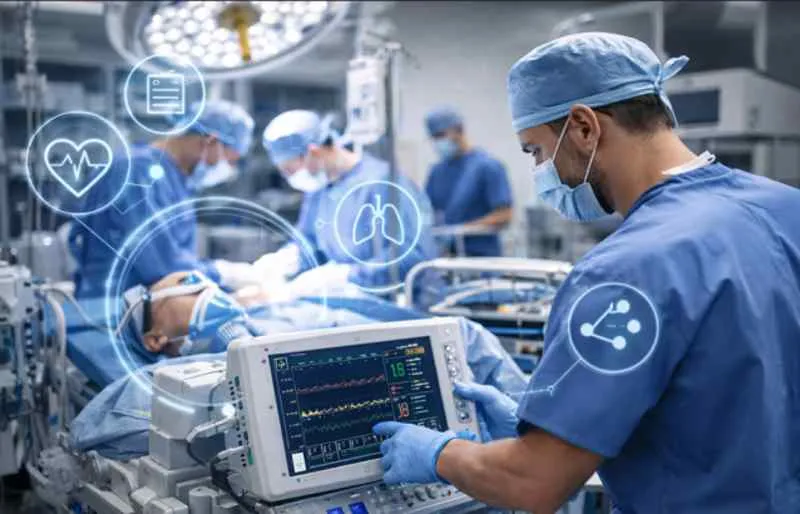
Healthcare systems today depend on accuracy, efficiency, and specialized clinical care to deliver safe patient outcomes. Every medical procedure requires careful coordination among healthcare professionals to ensure stability, comfort, and procedural success. While surgical innovation continues to evolve rapidly, anesthesia management remains one of the most essential components of modern patient care.
Anesthesia is responsible for controlling pain, maintaining sedation, supporting vital functions, and ensuring patient stability throughout procedures. It requires continuous monitoring and rapid clinical decision-making because even small physiological changes can affect patient safety. For this reason, healthcare facilities rely heavily on experienced anesthesia providers who can manage complex situations effectively and maintain high clinical standards during every stage of treatment.
Patient Evaluation
Effective anesthesia care begins with a thorough patient assessment. Before any procedure starts, clinicians review the patient’s medical history, medications, allergies, and underlying health conditions to identify potential risks.
Patients with cardiovascular disorders, respiratory illnesses, or chronic diseases often require customized anesthesia strategies. Age, weight, and previous surgical experiences also influence how anesthesia medications affect the body.
Comprehensive evaluations help healthcare professionals develop safe anesthesia plans that improve stability and reduce the likelihood of complications.
Sedation Control
Maintaining the appropriate level of sedation is one of the most important aspects of anesthesia management. The primary goal is to eliminate pain while preserving essential bodily functions such as breathing and circulation.
Different procedures require varying anesthesia depths depending on complexity and duration. Minor procedures may involve moderate sedation, while more advanced operations require deeper anesthetic management.
Healthcare professionals continuously assess patient responses and make real-time adjustments to maintain safe and controlled sedation throughout the procedure.
Continuous Monitoring
Patient monitoring is critical during anesthesia administration because conditions can change unexpectedly. Vital signs, including oxygen saturation, heart rate, blood pressure, and respiratory activity, must be observed closely at all times.
Modern monitoring systems provide real-time data that allows clinicians to identify abnormalities quickly. Early detection of physiological changes enables immediate intervention before complications become severe.
However, advanced technology alone is not enough. Successful outcomes depend on professionals who can accurately interpret clinical data and make fast, informed decisions.
Clinical Knowledge
Anesthesia professionals undergo extensive training in pharmacology, physiology, airway management, and emergency response protocols. Their expertise allows them to understand how anesthetic agents interact with different body systems.
Because anesthesia directly affects respiratory and cardiovascular functions, accurate dosage management is essential. Professionals must evaluate multiple variables simultaneously while maintaining patient stability.
Years of practical experience further strengthen clinical judgment and improve the ability to manage unexpected situations during procedures.
Team Communication
Successful procedures require seamless communication among healthcare teams. Surgeons, nurses, technicians, and anesthesia specialists must coordinate effectively to ensure procedural efficiency and patient safety.
Before procedures begin, teams review patient information and establish a clear treatment plan. During the operation, ongoing communication allows clinicians to respond rapidly if patient conditions change.
Strong teamwork minimises delays, reduces errors, and supports smoother workflow across medical departments.
Technology Support
Modern anesthesia care has been greatly improved through advanced medical technology. Sophisticated monitoring equipment provides continuous information regarding the patient's condition during procedures.
These systems track heart rhythm, respiratory performance, oxygen levels, and blood pressure with high accuracy. Real-time monitoring enhances patient safety by allowing clinicians to detect complications earlier.
Technology significantly improves procedural efficiency, but professional expertise remains essential for accurate interpretation and effective response.
Recovery Supervision
Anesthesia management continues even after procedures are completed. During the recovery phase, patients must be monitored carefully as anesthetic effects gradually decrease.
Healthcare professionals assess consciousness, breathing stability, blood pressure, and overall recovery progress. Some patients may temporarily experience dizziness, nausea, or mild discomfort after anesthesia administration.
Careful postoperative supervision helps reduce complications and ensures a safer recovery experience.
Operational Advantages
High-quality anesthesia management contributes significantly to healthcare efficiency. Well-organised anaesthesia systems reduce delays, improve scheduling accuracy, and support better patient flow throughout medical facilities.
Healthcare organisations that maintain strong anesthesia standards often experience fewer procedural complications and higher patient satisfaction rates. Consistent clinical performance also strengthens institutional credibility and long-term operational success.
As healthcare demands continue to grow, reliable anesthesia management remains essential for maintaining quality patient care.
Conclusion
Anesthesia management is a critical part of modern healthcare operations. From patient evaluation and sedation control to continuous monitoring and recovery supervision, every phase requires accuracy, expertise, and rapid decision-making.
By combining advanced technology, clinical experience, and strong teamwork, healthcare facilities can maintain high standards of safety and efficiency. Skilled anesthesia management not only improves procedural outcomes but also supports long-term excellence in patient care.