The Changing World of Fashion and Lifestyle in Modern Times
By Deluxe Zone Deluxe
167 Views
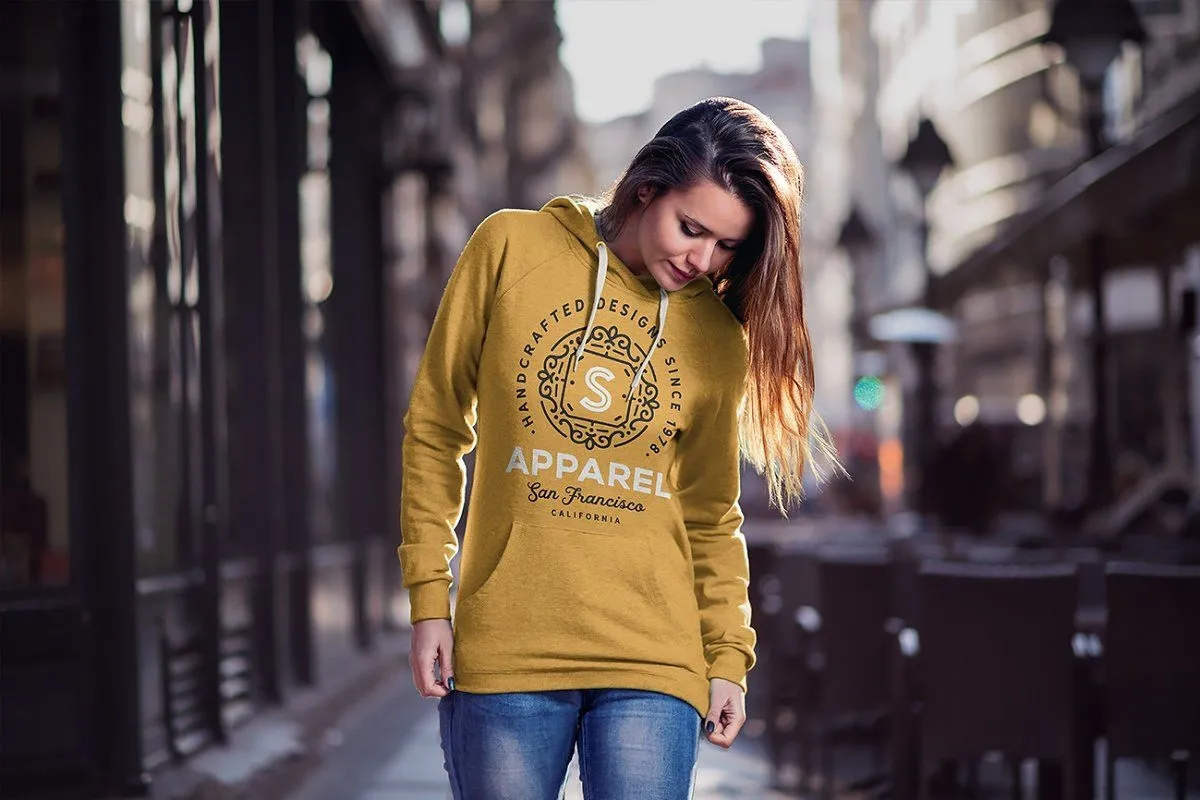
The modern world has transformed the way people view style, comfort, and personal identity. Trends are no longer limited to clothing alone; they now influence how people decorate their homes, organize daily routines, choose travel experiences, and even communicate their personalities online. This evolution has made fashion and lifestyle more connected than ever before. Today’s consumers seek more than attractive outfits. They want balance, confidence, individuality, and comfort in every aspect of life. Modern trends are focused on creating experiences that feel authentic rather than overly perfect. People are becoming more interested in clothing and lifestyles that reflect who they truly are instead of simply copying temporary trends.
Technology has played a major role in shaping this shift. Social media platforms, online communities, and digital fashion content constantly introduce new inspirations from around the world. Consumers can instantly discover styles from different cultures, fashion movements, and creative industries without leaving their homes. This global influence has made personal style more diverse and expressive. Comfort has become one of the strongest influences in current trends. People no longer want to sacrifice practicality for appearance. Relaxed tailoring, breathable fabrics, and versatile clothing now dominate both casual and professional wardrobes. This shift reflects changing lifestyles where flexibility and convenience are highly valued.
Sustainability is also shaping modern preferences. Consumers are increasingly aware of the environmental impact of excessive consumption and fast fashion. As a result, many people now prioritize quality over quantity and invest in pieces that last longer and remain stylish beyond a single season.
The Rise of Comfortable and Versatile Fashion Trends
One of the most noticeable changes in recent years is the growing focus on comfort and versatility. Modern consumers want clothing that adapts to different environments while still maintaining elegance and style. This demand has influenced designers, retailers, and fashion brands worldwide. Relaxed tailoring has become increasingly popular because it combines sophistication with practicality. Oversized blazers, wide-leg trousers, and soft fabrics create polished looks that still feel comfortable throughout the day. These designs allow individuals to move freely while maintaining refined appearances.
Athleisure continues to dominate casual fashion because it blends athletic functionality with everyday style. Sneakers, coordinated sets, and elevated sportswear pieces are now worn not only during workouts but also in social and professional settings. This trend reflects modern lifestyles where flexibility and mobility matter more than rigid dress codes. Layering has also become a major styling approach. Lightweight jackets, knitwear, and versatile outerwear allow individuals to adapt their outfits easily across different seasons and occasions. Layering creates visual depth while increasing practicality and comfort.
Neutral colors remain highly influential because of their versatility. Shades such as beige, cream, black, olive, and gray can be mixed effortlessly, making wardrobe coordination easier. These colors also support minimalist aesthetics that continue gaining popularity globally. Accessories are becoming more intentional rather than excessive. People now prefer pieces that feel meaningful and functional. Watches, handbags, sunglasses, and jewelry are often selected carefully to complement outfits without overwhelming them.
In the middle of exploring current trends and modern collections, many consumers enjoy visiting a trendy fashion and lifestyle store to discover curated styles that combine comfort, sophistication, and practicality. Such stores often provide inspiration for building wardrobes that feel fashionable yet adaptable to everyday life.
The emphasis on versatility also supports more sustainable fashion habits. Instead of purchasing large quantities of trend-driven clothing, consumers are choosing timeless items that can be styled repeatedly in different ways. This approach creates more organized wardrobes while reducing unnecessary consumption.
Lifestyle Trends That Are Influencing Everyday Living
Modern trends are not limited to clothing. Lifestyle choices have become deeply connected to wellness, productivity, and personal satisfaction. People are increasingly focused on creating routines and environments that improve both physical comfort and emotional well-being. Home aesthetics have become especially important. Many individuals now view their homes as extensions of personal identity rather than simply living spaces. Minimalist interiors, natural lighting, and calming color palettes are particularly popular because they create peaceful environments that support relaxation and focus.
Wellness culture has also grown significantly. Self-care routines, mindfulness practices, and healthier daily habits are influencing how people spend their time and energy. Fitness, balanced nutrition, and mental wellness are now considered important parts of modern living rather than temporary trends. Digital lifestyles have changed how people work and socialize. Remote work and flexible schedules have encouraged consumers to prioritize comfort, organization, and efficiency in both clothing and home design. Multi-functional spaces and adaptable wardrobes reflect these changing routines.
Travel trends are evolving as well. Rather than focusing solely on luxury, many people now seek meaningful experiences that combine relaxation, culture, and personal growth. Fashion choices often reflect this shift through practical yet stylish travel-friendly clothing. Sustainability continues influencing lifestyle decisions beyond fashion. Eco-friendly products, reusable materials, and mindful consumption habits are becoming increasingly common. Consumers are more aware of how their choices affect the environment and are actively seeking ways to reduce waste.
How Social Media Shapes Fashion and Lifestyle Trends
Social media has completely transformed how trends emerge and spread across the world. Platforms such as Instagram, TikTok, and Pinterest influence millions of consumers daily, introducing new ideas in fashion, beauty, travel, and lifestyle design almost instantly. Fashion inspiration is now more accessible than ever before. Consumers no longer rely only on magazines or runway shows to discover trends. Instead, they can follow influencers, stylists, designers, and content creators who share styling ideas and lifestyle inspiration regularly.
One major advantage of social media is diversity. People can explore fashion influences from different cultures, aesthetics, and creative communities. This global exposure encourages experimentation and allows individuals to develop more personalized styles. Video content has become especially influential in shaping trends. Styling tutorials, fashion transformations, and lifestyle vlogs create engaging experiences that inspire audiences to try new looks and habits. These videos often make fashion feel more approachable and relatable.
However, social media can also encourage excessive consumption if approached without awareness. Constant exposure to new products and trends may create pressure to purchase items impulsively. This is why many consumers are now focusing on mindful shopping and intentional style choices. Authenticity has become one of the strongest modern influences online. Audiences increasingly appreciate creators who share realistic experiences rather than overly polished perfection. This trend has encouraged more honest conversations about sustainability, self-confidence, and personal growth.
Building a Personal Style Around Modern Trends
Following trends can feel exciting, but true style comes from understanding how to adapt those trends to personal identity. Modern fashion encourages individuality, allowing people to create looks and lifestyles that feel authentic rather than forced. The first step in building personal style is understanding preferences. Some individuals naturally gravitate toward minimalism, while others prefer bold and expressive fashion. Recognizing these preferences helps create consistency and confidence in styling choices.
Wardrobe versatility is essential for long-term satisfaction. Investing in timeless staples such as tailored blazers, quality denim, neutral footwear, and versatile outerwear creates a strong foundation that can be updated with trend-inspired accessories or seasonal pieces. Color coordination also plays an important role in developing personal style. Neutral palettes create sophistication and flexibility, while accent colors can introduce creativity and individuality. Finding a balance between these elements allows outfits to feel polished and expressive simultaneously.
Accessories help define personality without requiring major wardrobe changes. Watches, bags, scarves, and jewelry can transform simple outfits into more intentional and stylish looks. Choosing accessories thoughtfully creates stronger visual harmony. Lifestyle alignment matters just as much as appearance. Fashion should support daily routines rather than complicate them. Clothing that feels uncomfortable or impractical often reduces confidence, regardless of how trendy it appears.