The definitive guide to choosing between a designer logo and a minimalist aesthetic
By Essentials Hoodie
153 Views
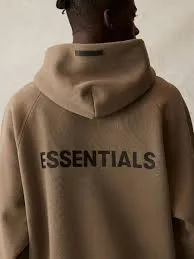
Every wardrobe communicates a visual message, whether intentional or not. Some people gravitate toward bold designer logos that immediately signal identity and cultural awareness, while others prefer minimalist aesthetics built on clean silhouettes and understated styling. Neither approach is inherently better because both reflect different ideas of self-expression. In modern streetwear and luxury fashion, this contrast has become one of the most important style decisions consumers make. Understanding the difference between logo-driven fashion and minimal design helps create a wardrobe that feels more intentional and personally authentic.
The Appeal of Bold Designer Logos
Designer logos became powerful because they offer instant recognition and emotional impact. A visible logo can communicate status, cultural affiliation, and essentialhoodie-uk.com fashion awareness within seconds. Brands with strong visual identities use logos not just for branding but as part of the garment’s overall aesthetic. Graphic-heavy pieces naturally attract attention, making them ideal for individuals who enjoy expressive fashion and statement outfits. Logos also create a sense of belonging within specific fashion communities, particularly in streetwear culture where branding often carries historical significance.
Logos as Cultural Symbols
In many cases, logos function as cultural symbols rather than simple marketing tools. Certain graphics or brand marks become connected to music, skate culture, hip-hop, or luxury fashion movements over time. Wearing these pieces allows individuals to participate in larger cultural narratives. This emotional connection is one reason logo-heavy fashion remains influential despite periodic trends toward minimalism. The garment becomes more than clothing—it becomes a visual representation of taste, identity, and social influence.
The Rise of Minimalist Fashion
Minimalist shopcommedesgarconn.com fashion emerged as a reaction to visual overload and excessive branding. Instead of relying on logos, minimalist aesthetics focus on proportion, texture, color harmony, and silhouette. The appeal comes from restraint rather than visibility. Neutral tones, oversized fits, and clean construction create outfits that feel calm, refined, and timeless. Minimalism often emphasizes how clothing fits into daily life instead of how loudly it announces itself. This approach became especially influential within modern luxury streetwear and contemporary lifestyle fashion.
Why Minimalism Feels More Versatile
One major advantage of minimal fashion is versatility. Clean garments are easier to layer, style repeatedly, and integrate across different environments. Minimal pieces often age more slowly because they are less tied to specific trends or graphics. A neutral oversized hoodie or structured coat can remain relevant for years without feeling outdated. This timeless quality makes minimalism attractive for people who value longevity and simplicity within their wardrobe.
Statement Dressing vs Everyday Wearability
The decision between logos and minimalism often depends on how someone wants clothing to function emotionally and socially. Logo-driven outfits create stronger visual impact and often feel more energetic or expressive. Minimalist outfits create balance and calmness, making them easier for everyday wear. One approach prioritizes visibility and personality, while the other prioritizes subtle confidence and effortless styling. Understanding this difference helps define the overall direction of a personal wardrobe.
Social Media Changed Both Aesthetics
Instagram and digital fashion culture have strengthened both sides of this debate. Bold logos perform well because they create instant visual recognition in photos and short-form content. Minimalist aesthetics also thrive online because clean outfits photograph beautifully and fit curated lifestyle feeds. This means modern consumers are constantly exposed to both extremes: loud branding and understated luxury. As a result, many wardrobes now combine elements of each rather than choosing only one philosophy.
The Emotional Psychology Behind Both Styles
Fashion choices are often emotional rather than purely visual. Logo-heavy clothing can create excitement, confidence, and social visibility. Minimalist fashion often creates calmness, stability, and emotional ease. One feels extroverted and attention-driven, while the other feels introspective and controlled. Neither emotional experience is superior—they simply satisfy different moods and personal identities. Many people naturally move between both styles depending on environment, age, or lifestyle changes.
Why the Strongest Wardrobes Use Both
The most effective modern wardrobes rarely exist at one extreme. Minimal basics provide structure and reliability, while logo-driven pieces add personality and visual energy. Combining both creates balance and prevents outfits from feeling either overly loud or overly plain. A bold designer hoodie layered with neutral minimal pieces, for example, allows the logo to stand out without overwhelming the entire outfit. This balanced approach reflects how contemporary streetwear increasingly values contrast and flexibility.
Choosing the Style That Reflects You
The choice between a designer logo and a minimalist aesthetic ultimately depends on how you want fashion to communicate your personality. Logos offer visibility, cultural symbolism, and expressive energy that turn clothing into statements. Minimalism offers versatility, calmness, and timeless refinement that prioritizes silhouette and simplicity. Modern fashion no longer requires strict loyalty to one approach. The strongest wardrobes often combine both, using bold branding for moments of expression and minimal basics for balance, comfort, and everyday wearability.
Related Reading
Why Lifestyle & Culture is Transforming the Global Industry Landscape
Welcome to our in-depth exploration of Lifestyle & Culture. In an era define...
Expert Insights: Navigating the Complex World of Lifestyle & Culture
Welcome to our in-depth exploration of Lifestyle & Culture. In an era define...