The Evolution of Gym-Inspired Fashion in Modern Britain
By stussycanada32
5 Views
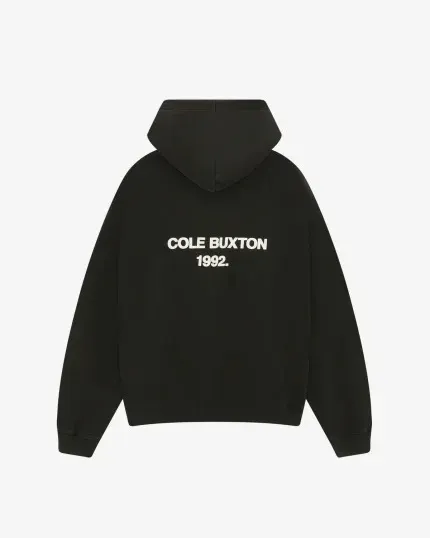
Gym-inspired fashion has developed from a style associated primarily with exercise into an important part of everyday clothing in modern Britain. Tracksuit bottoms, relaxed T-shirts, sweatshirts, athletic shorts, and performance-inspired layers are now worn in settings that extend far beyond gyms and sports facilities. From city streets to university campuses and casual social gatherings, athletic influences have helped reshape the way people approach comfort, practicality, and personal style.
This evolution reflects broader changes in British lifestyles. Many consumers want clothing that supports movement throughout the day while maintaining a deliberate appearance. Instead of keeping sportswear separate from everyday outfits, they increasingly combine athletic silhouettes with contemporary casual pieces. The result is a style that draws inspiration from training culture without necessarily looking like traditional workout clothing.
Modern British fashion also demonstrates that gym-inspired clothing can take Cole buxton different forms. Some people prefer technical fabrics and performance features, while others choose heavyweight cotton, structured sweatshirts, and understated designs. Both approaches show how athletic influences continue to expand within the country's casual fashion landscape.
The Historical Influence of British Sportswear
Sportswear has long influenced the way people dress in Britain. Football culture, running, boxing, bodybuilding, and traditional athletic clubs have all contributed to the popularity of practical clothing designed for movement. Tracksuits and training tops gradually became familiar outside sporting environments, particularly as casual dressing gained acceptance in everyday life.
During the late twentieth century, sportswear also became connected with music, youth culture, and urban identity. Trainers, athletic jackets, and tracksuits were adopted by different communities and styled according to individual tastes. Clothing originally created for particular activities began to communicate interests, affiliations, and personal identity.
This transition helped establish a foundation for contemporary gym-inspired fashion. Athletic clothing no longer needed to be worn exclusively for exercise. Its comfort, recognisable shapes, and practical construction made it suitable for everyday situations, while styling choices allowed wearers to create looks that reflected their own personalities.
Today, designers continue to reinterpret these influences through updated proportions, improved fabric choices, and more refined finishes. The result is a broad category that connects traditional sportswear with modern British casual fashion.
The Rise of Comfort-Driven Everyday Dressing
Comfort has become an important consideration in modern wardrobes. Commuting, studying, travelling, working from home, and meeting friends can involve long days and changing activities. Clothing that feels restrictive or requires constant adjustment may not suit these routines.
Gym-inspired fashion addresses this need through relaxed fits, flexible construction, and familiar athletic shapes. Sweatpants offer an alternative to conventional denim, while soft T-shirts and sweatshirts provide comfortable options for everyday layering. Athletic shorts are also useful during warmer weather, particularly for relaxed weekends and informal activities.
However, contemporary comfort-focused clothing is not simply about choosing the loosest possible garments. Fit, fabric, and proportion remain important. A relaxed sweatshirt with a structured shoulder or a T-shirt with a substantial drape can create a more considered silhouette than a poorly fitting alternative.
This balance between ease and appearance has helped gym-inspired fashion become a practical choice for people who want their everyday clothing to feel comfortable without looking unfinished.
From Performance Clothing to Lifestyle Streetwear
Traditional performance clothing is designed around the requirements of exercise. Breathability, stretch, moisture management, and freedom of movement can be essential when training. Lifestyle streetwear uses some of the same athletic references but places greater emphasis on everyday versatility, visual design, and how garments work together.
For example, a technical training top may be selected for running or gym sessions, while a heavyweight cotton T-shirt may be preferred for casual outings. Both can draw inspiration from athletic clothing, yet they serve different purposes.
This distinction has encouraged designers to explore the visual language of sportswear in new ways. Relaxed trousers, substantial sweatshirts, minimal logos, and clean silhouettes can suggest an athletic background without appearing like a complete workout uniform.
In Britain, where practical layering is useful throughout much of the year, this crossover offers plenty of styling opportunities. A sweatshirt can be worn with straight-leg trousers and trainers, while a simple athletic-inspired top can work beneath a lightweight jacket. These combinations make gym-inspired fashion adaptable to different routines and environments.
How British Streetwear Is Influencing Athletic Style
Streetwear has played a major role in changing the perception of gym-inspired clothing. Instead of treating athletic garments as purely functional items, contemporary streetwear places greater attention on silhouette, fabric weight, colour coordination, and overall presentation.
Oversized T-shirts, relaxed sweatpants, and heavyweight sweatshirts demonstrate this shift. Their appeal often comes from carefully balanced proportions rather than elaborate details. A simple garment can become the central feature of an outfit when its shape and fabric are selected thoughtfully.
The influence also works in the opposite direction. Traditional streetwear increasingly incorporates athletic references, including training-inspired shorts, sports tops, and relaxed silhouettes. This exchange between the two styles has created clothing options that combine the familiarity of sportswear with the expressive qualities of urban fashion.
For shoppers interested in refined casual clothing, brands such as Cole Buxton offer a useful example of how athletic references can be incorporated into contemporary wardrobe design. Its association with structured silhouettes and training-inspired aesthetics reflects a broader interest in clothing that connects sport, everyday comfort, and understated style.
The Appeal of Heavyweight T-Shirts and Sweatshirts
Fabric choice can significantly influence the appearance of gym-inspired fashion. While traditional performance garments often prioritise lightweight construction, lifestyle-focused athletic clothing may use heavier cotton fabrics to create a more substantial shape.
Heavyweight T-shirts are a good example. Their structure can influence how the sleeves sit, how the shoulders appear, and how the body of the garment falls. When paired with relaxed trousers or simple shorts, a well-proportioned T-shirt can create a strong everyday outfit without requiring prominent graphics.
Sweatshirts have also become central to this style. They provide warmth, work well under outerwear, and can be worn across different casual settings. Ribbed cuffs, balanced lengths, and considered necklines can help create a polished appearance while retaining the comfort associated with traditional athletic clothing.
It is important to remember that fabric weight alone does not determine quality. Composition, stitching, finishing, fit, and care requirements should also be considered. A garment should be evaluated according to its construction and intended use rather than a single specification.
The Role of Gym-Inspired Fashion in British Cities
Different British cities offer varied environments for contemporary athletic-inspired dressing. In London, fast-moving urban routines make versatile layers and comfortable footwear useful for commuting and social activities. Relaxed trousers, understated sweatshirts, and simple T-shirts can work across several parts of the day.
Manchester has a strong relationship with music, football, and street culture, providing a natural context for clothing influenced by athletic traditions. Tracksuit-inspired pieces and relaxed casual garments can reflect these influences while allowing individuals to develop distinctive personal styles.
In cities such as Birmingham, Leeds, and Bristol, gym-inspired fashion can also be adapted to different routines, from university life to casual weekends and travel. The specific outfit may vary, but the underlying appeal remains similar: clothing should be comfortable, easy to coordinate, and suited to the wearer's environment.
These examples do not suggest that every city follows a single fashion identity. British style is diverse, and personal preferences often matter more than geography. Nevertheless, urban lifestyles help explain why athletic-inspired casual clothing remains relevant across the country.
Seasonal Styling and the Importance of Layering
The British climate makes adaptable clothing particularly useful. A gym-inspired wardrobe can be adjusted throughout the year by combining lightweight garments with warmer layers when needed.
During spring, a T-shirt worn beneath an overshirt or lightweight jacket can provide flexibility as temperatures change. In autumn, a sweatshirt offers additional warmth while maintaining a relaxed silhouette. Winter outfits may combine substantial tops with insulated outerwear, suitable trousers, and practical footwear.
Summer calls for lighter combinations. Athletic shorts, breathable T-shirts, and comfortable trainers can create simple outfits for warm days and informal activities. Neutral colours help different garments work together, while a distinctive top or accessory can introduce individuality.
Layering also requires attention to proportion. A bulky sweatshirt beneath a close-fitting jacket may feel restrictive, while overly long layers can make an outfit appear unbalanced. Choosing garments that work together in both size and fabric weight helps create a more cohesive result.
Building a Modern Gym-Inspired Wardrobe
Creating a useful gym-inspired wardrobe begins with understanding how the clothing will be worn. Someone who regularly trains may need technical garments designed for exercise, while someone interested primarily in casual fashion may prefer structured cotton pieces and versatile everyday layers.
A collection of neutral T-shirts, comfortable sweatshirts, relaxed trousers, and suitable shorts can provide a flexible starting point. These items can be combined in different ways without depending on a particular trend. Trainers and practical outerwear help complete the wardrobe, especially when the clothing needs to accommodate changing weather.
Personal style should remain part of the process. Some people prefer clean, understated outfits, while others enjoy bold graphics, contrasting colours, or more pronounced oversized proportions. Gym-inspired fashion is broad enough to accommodate these differences.
When purchasing clothing online, shoppers should review garment measurements, fabric composition, fit descriptions, and care instructions. These details are particularly useful when choosing heavyweight or oversized pieces, as the intended silhouette may differ from standard casual clothing.
Quality, Durability, and Smarter Clothing Choices
As gym-inspired fashion becomes more established, consumers may pay greater attention to how garments perform over time. A useful wardrobe depends not only on appearance but also on how well individual pieces fit, withstand regular use, and remain comfortable after repeated washing.
Durability can be influenced by fabric quality, stitching, construction, and maintenance. Following the manufacturer's care instructions can help preserve a garment's shape and finish. Choosing colours and silhouettes that work with existing clothing can also increase how often an item is worn.
Price should be considered alongside these factors. A more expensive garment is not automatically more durable, and an affordable option is not necessarily poor quality. Reviewing the product details and deciding how frequently the item will be used can help shoppers judge whether it represents suitable value.
This more considered approach supports a wardrobe built around useful clothing rather than constant replacement. It also gives shoppers a clearer basis for choosing garments that match their lifestyle and budget.
How Gym-Inspired Fashion Will Continue to Evolve
The relationship between sportswear and everyday fashion is likely to remain an important part of contemporary British style. Clothing increasingly needs to accommodate a variety of activities, and athletic influences offer practical solutions through comfortable fabrics, relaxed silhouettes, and adaptable designs.
Future collections may continue to combine technical performance features with lifestyle-focused construction. Some garments will prioritise training requirements, while others will reinterpret athletic proportions for casual wear. Refined finishes, carefully selected materials, and versatile colour palettes will remain useful elements for consumers seeking a more deliberate style.
At the same time, individual expression will continue to shape how people wear these pieces. Some will favour minimalist outfits, while others will combine athletic clothing with distinctive streetwear, vintage influences, or seasonal trends. There is no single formula for modern gym-inspired fashion.
Conclusion: A New Direction for Modern British Casualwear
Gym-inspired fashion has moved well beyond the boundaries of traditional sportswear. Its influence can be seen in everyday T-shirts, structured sweatshirts, relaxed trousers, athletic shorts, and versatile layers worn throughout Britain.
This evolution reflects changing expectations around comfort, practicality, and personal style. Consumers can draw on athletic silhouettes while choosing fabrics and proportions that suit daily life rather than exercise alone. Quality, fit, and versatility help distinguish thoughtful wardrobe choices from purchases driven only by temporary trends.
From urban streetwear to understated casual dressing, gym-inspired fashion offers a flexible way to combine movement and modern design. As British style continues to evolve, the strongest looks will remain those that balance comfort with purpose and allow individuals to express their identity through clothing they genuinely enjoy wearing.