The Importance of Compassionate Care for Elderly Residents
By petternick
147 Views
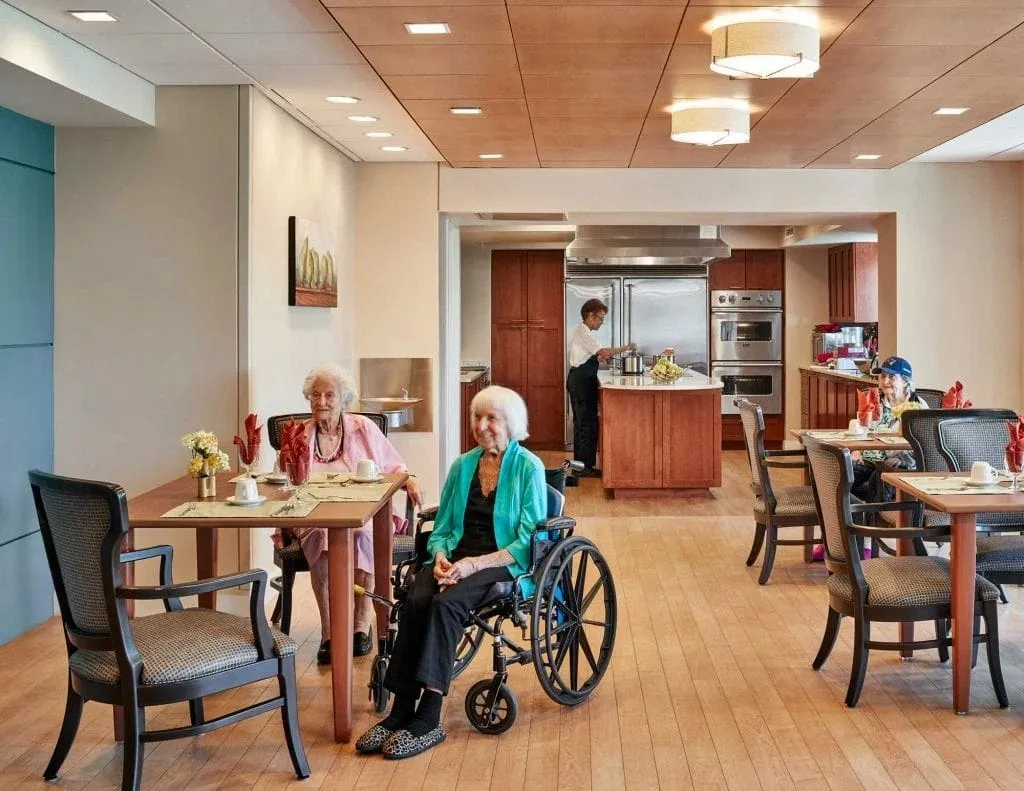
As people age, their physical health, emotional needs, and daily support requirements increase significantly. Families often look for environments that provide not just medical assistance but also emotional warmth and dignity. Compassionate care has become a core part of modern senior living because it focuses on treating elderly individuals with respect, kindness, and understanding.
Many families exploring nursing homes New Orleans are especially interested in facilities that combine professional care with emotional support. This approach ensures that seniors not only receive medical attention but also feel valued, safe, and emotionally supported in their daily lives.
What Is Compassionate Care?
Compassionate care refers to a caregiving approach that prioritizes empathy, patience, and emotional connection. It goes beyond basic physical assistance and focuses on understanding the feelings and personal experiences of elderly residents.
Unlike standard care, compassionate care builds strong human connections between caregivers and seniors. It ensures that every individual is treated with dignity and respect, regardless of their physical or cognitive condition. Caregivers who practice compassion listen carefully, respond kindly, and provide emotional comfort along with physical support.
Why Elderly Residents Need Compassionate Care
Aging often brings challenges such as reduced mobility, chronic illness, memory loss, and emotional vulnerability. These challenges can lead to feelings of loneliness, anxiety, and depression.
Elderly residents need more than just medical care they need emotional reassurance and meaningful interaction. Compassionate care helps reduce stress and improves overall well-being by making seniors feel heard, valued, and understood. It creates a sense of belonging that is essential for mental and emotional health.
Improving Emotional Well-Being Through Compassion
Emotional well-being plays a major role in the quality of life for seniors. When caregivers show empathy and kindness, it helps residents feel secure and emotionally supported.
In many nursing homes New Orleans, compassionate care programs are designed to encourage positive interactions between staff and residents. Simple acts like listening to stories, offering reassurance, or spending quality time can significantly reduce feelings of isolation.
This emotional connection builds trust and creates a peaceful environment where seniors feel comfortable expressing their needs and concerns.
The Impact on Physical Health
Compassionate care also has a direct impact on physical health. Seniors who feel emotionally supported are more likely to follow treatment plans, take medications on time, and participate in daily activities.
Stress reduction is another important benefit. Lower stress levels can improve heart health, boost immunity, and enhance overall energy levels. In fact, studies show that emotional well-being often leads to better recovery outcomes in elderly care.
Facilities such as nursing homes New Orleans that emphasize compassionate care often report higher resident satisfaction and improved health results because seniors feel more engaged and cared for.
Encouraging Independence and Confidence
One of the goals of compassionate care is to support independence rather than limit it. Seniors are encouraged to perform daily tasks at their own pace while receiving assistance only when necessary.
This approach helps maintain dignity and boosts confidence. When residents feel capable and respected, they are more likely to stay active and engaged in their daily routines. Caregivers play an important role in providing gentle encouragement rather than taking over tasks completely.
Strengthening Relationships With Families
Family involvement is an essential part of elderly care. Compassionate care helps build strong communication between caregivers and families, ensuring everyone is informed and involved in the resident’s well-being.
Regular updates, open communication, and emotional support help families feel reassured. Knowing that their loved ones are receiving kind and respectful care reduces stress and builds trust in the care facility.
The Role of Staff Training in Compassionate Care
Providing compassionate care requires proper training and emotional awareness. Caregivers must understand not only medical needs but also emotional and psychological challenges faced by seniors.
Training programs often focus on communication skills, patience, empathy, and conflict resolution. Staff members are taught to treat each resident as an individual with unique needs, preferences, and life experiences.
Creating a Comfortable and Supportive Environment
A positive environment is essential for compassionate care. Senior living spaces should be safe, clean, and welcoming, with opportunities for social interaction and relaxation.
Activities such as group games, exercise sessions, and community events help residents stay engaged. Comfortable surroundings combined with caring staff create a sense of home rather than an institutional setting.
Choosing a Senior Care Facility That Prioritizes Compassion
When selecting a care facility, families should carefully observe how staff interact with residents. Kindness, patience, and attentiveness are strong indicators of compassionate care.
Visiting different facilities, asking questions, and reviewing services can help families make informed decisions. It is important to choose a place where emotional well-being is valued as much as physical health.
Conclusion
Compassionate care plays a vital role in improving the lives of elderly residents. It supports emotional health, enhances physical well-being, and builds meaningful connections between caregivers, residents, and families.
Whether in general senior communities or nursing homes New Orleans, the focus on kindness and respect ensures that seniors live with dignity and comfort. Choosing a facility that prioritizes compassionate care can make a lasting difference in the happiness and quality of life of older adults.
Related Reading
Why Lifestyle & Culture is Transforming the Global Industry Landscape
Welcome to our in-depth exploration of Lifestyle & Culture. In an era define...
Expert Insights: Navigating the Complex World of Lifestyle & Culture
Welcome to our in-depth exploration of Lifestyle & Culture. In an era define...