The Rise of Weekly Meal Planning
By Joshmarshal
12 Views
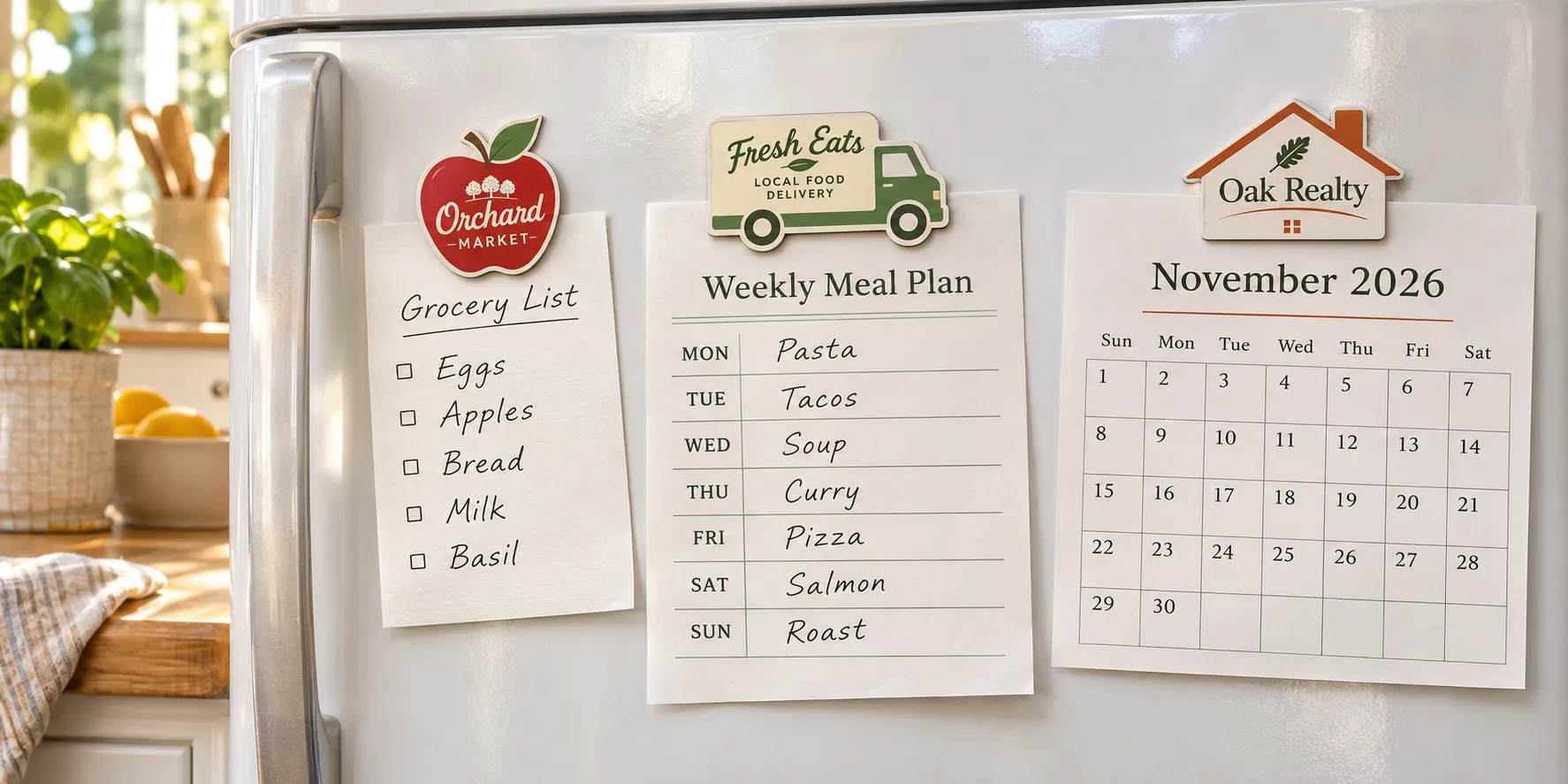
Ask a few friends what they are making for dinner on Thursday, and you may be surprised by how many already know. Weekly meal planning has moved from a niche organizing trick to an everyday routine in households of all sizes. For many families, it has become the easiest way to take the stress out of the most repeated question of the week: “What’s for dinner?”
Why Meal Planning Is Catching On
The appeal is simple. Twenty minutes of weekend planning can save a week of scrambling. By 5:30 p.m., when everyone is hungry, the decision has already been made.
Households tend to stick with the habit for a few practical reasons:
-
Fewer last-minute decisions: Knowing the week’s meals ahead of time removes the nightly debate and the temptation to order takeout.
-
Smarter grocery trips: A plan turns a vague shopping list into a focused one, which helps cut down on forgotten ingredients and duplicate purchases.
-
Less food waste: When every item has a purpose, fewer leftovers and half-used vegetables end up in the trash.
-
A calmer routine: Even a loose plan gives the week some structure, which many families find helpful when schedules are packed.
Meal planning doesn't need to be rigid. Some households map out every dinner, while others pick three or four anchor meals and leave the rest flexible. What matters is that the plan is easy to see and easy to follow.
The Fridge as a Command Center
Once the plan exists, it needs a home. In most kitchens, the refrigerator is the obvious choice, since everyone opens it several times a day and sees whatever is posted there.
Families use their fridge doors in all kinds of ways. A small whiteboard holds the week’s dinners. A list pad hangs nearby so anyone can jot down a missing item the moment they notice it. Clear containers on the shelves keep prepped ingredients and leftovers organized, so it is obvious what needs to be used first. A school calendar, a soccer schedule, and a few drawings from the kids tend to fill whatever space remains.
Holding all of this in place are custom refrigerator magnets. They are a small detail, but they do real work: pinning up the weekly menu, keeping a coupon or takeout menu within reach, and holding the grocery list so it does not get lost under a pile of mail. Because they sit at eye level and are used daily, they tend to become part of the household without anyone noticing.
That daily visibility also makes fridge magnets valuable to businesses. A restaurant can keep its delivery number beside the dinner plan, a home-service company can stay visible for the next repair, and a local dentist or real estate agent can keep contact details where families are most likely to need them. Rather than relying on a one-time ad, a magnet gives a business a practical place in the household routine.
Starting Simple
For anyone who wants to try meal planning, the easiest approach is to start small. Pick a regular planning time, such as Sunday afternoon. Choose a handful of dinners, write them down, and post the plan on the fridge. Add a list pad for groceries, and let the household add to it throughout the week. After a couple of weeks, most families figure out what works for them and adjust from there.
Involving the whole household helps, too. Kids can pick one meal a week, partners can take charge of the shopping list, and everyone has a reason to check the plan. When everyone owns the routine, it is much easier to keep going.
A Practical Tool for Organizers and Businesses
The weekly meal plan is rarely the only thing on the fridge door. Look closely, and a pattern appears. Beside the meal plan and the grocery list, there is usually a takeout menu, a school schedule, a team roster, or an appointment card. Those items did not end up there by accident. They earned their spot because families use them, and that makes the fridge door valuable well beyond the household. For local businesses and community organizers, it is one of the few places where helpful information is seen every day.
Small businesses have long understood this. A neighborhood bakery, a family-run shop, or a local pizza place does not need a large budget to earn a place in a customer’s home. Many simply put a phone number, a website, or a short message on custom refrigerator magnets and hand them out at events, include them in mailers, or share them at community events. A youth league or parent group can do the same, keeping game days and contact details in front of families all season.
When community groups and local businesses both earn a place on the fridge door, everyone benefits. A group gives families something helpful, a business gains goodwill, and families get a tool that makes the week run a little more smoothly. The lesson is the same one that makes meal planning work: people keep what they use.
Bringing the Routine Back Home
For families, the value of meal planning is not in creating a perfect schedule. It is in having one visible place where the week’s dinners, grocery needs, and upcoming activities come together. A fridge magnet holding the menu, a list pad for missing ingredients, and a calendar with family commitments can turn scattered reminders into a simple routine.
The same visibility that helps a business stay memorable also helps a household stay organized. When the weekly plan is easy to see, it is easier for everyone to follow. When the grocery list is within reach, it is easier to add an item before it is forgotten. And when important dates are posted beside everyday reminders, there is less chance of a schedule slipping through the cracks.
That is why the fridge remains such a useful part of meal planning. It is not just a place to store food; it is where a household’s week becomes visible, manageable, and easier to share.
Why the Habit Is Likely to Last
With rising grocery costs and packed family calendars, a simple weekly plan still has appeal. Households that stick with it tend to stay flexible, keep the plan visible, and make it easy for everyone to take part.
For most families, it comes down to a calmer evening, a fuller fridge with fewer surprises, and one less question to answer at the end of a long day.