The Role of Property Managers in Protecting Residents
By pauls walkers
121 Views
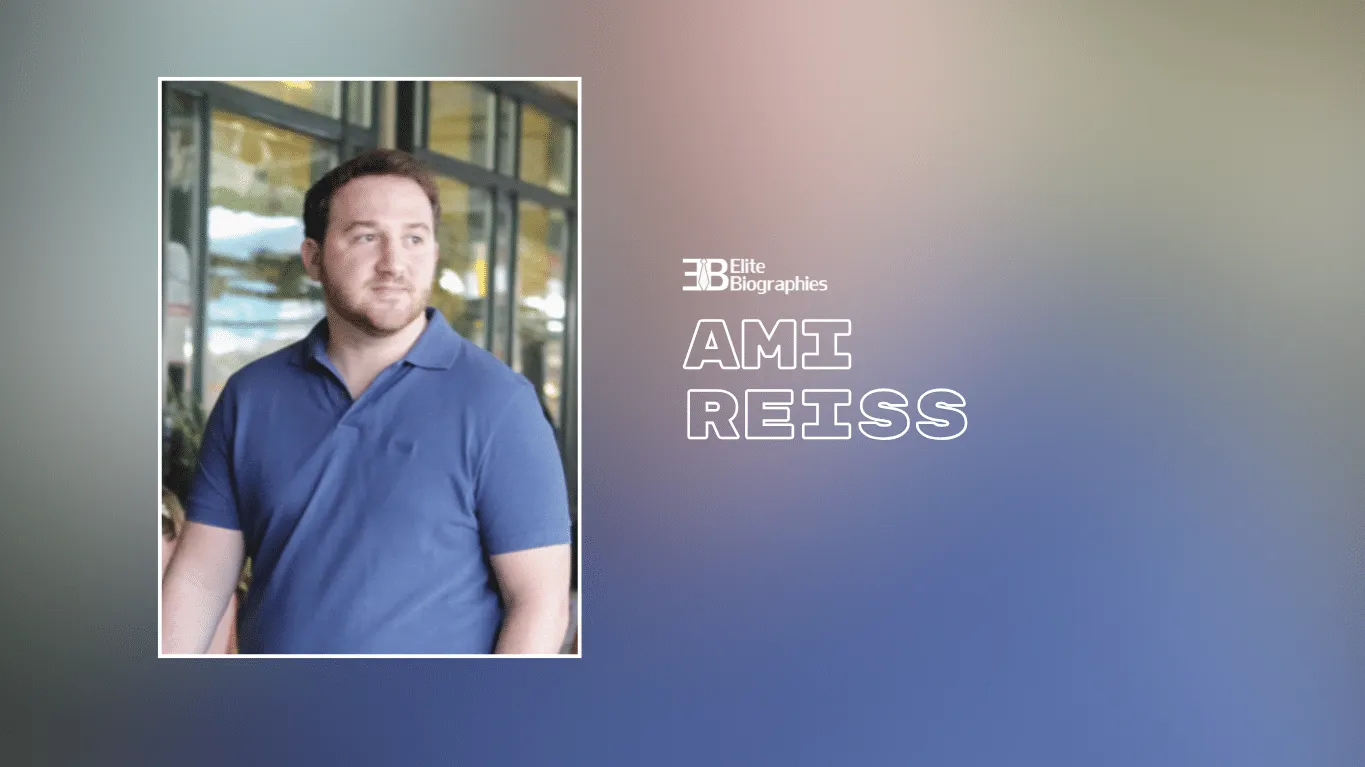
In the evolving world of real estate investment, few figures stand out for combining strategic growth with a strong commitment to tenant well-being. One such name is Ami Reiss, the driving force behind a steadily expanding multi-residential portfolio in Quebec. His journey is not simply about acquiring properties—it is about reshaping how rental living is experienced, managed, and valued.
From his early ventures to the founding of Reiss Management, Ami Reiss has built a reputation rooted in vision, discipline, and a long-term approach to property investment. This article explores his path, his philosophy, and the broader implications of his work in today’s housing landscape.
The Beginning of a Real Estate Journey
Every successful real estate career begins with a single step, and for Ami Reiss, that step came in 2009. At the time, he acquired his first 16-unit multi-residential building. While modest in comparison to the large portfolios he manages today, this initial investment marked a turning point.
Rather than treating the acquisition as a passive asset, he approached it as a learning opportunity. Managing tenants, maintaining operations, and optimizing the building’s performance gave him firsthand experience in the realities of property management.
What made this stage particularly important was not just the purchase itself, but the outcome. After achieving success with the property, he made a bold decision: he sold it. This move was not an exit from real estate, but a strategic repositioning toward larger opportunities.
Scaling Up: From One Building to a Multi-Asset Vision
Following the success of his first project, Ami Reiss expanded into a significantly larger acquisition—a three-building property totaling 88 residential units. This marked a shift from individual asset management to portfolio-level thinking.
At this stage, several key principles began to define his approach:
- Operational efficiency across multiple buildings
- Long-term value creation rather than short-term profit
- Tenant experience as a central performance metric
This acquisition was more than just a larger investment; it represented a transition in mindset. Managing nearly a hundred units required structure, systems, and a more refined operational strategy. It was here that the foundation for future expansion was truly laid.
The Birth of Reiss Management
In 2016, Ami Reiss formalized his growing vision by founding Reiss Management. This step was pivotal, transforming his activities from individual investments into a structured management organization.
The company was built around a clear mission: to manage multi-residential properties while prioritizing quality living conditions for tenants. Unlike many investment-focused real estate models that emphasize only returns, Reiss Management integrated tenant satisfaction into its core philosophy.
This approach reflects a broader understanding of real estate as more than financial assets. It positions housing as a lived experience—one that impacts comfort, stability, and community well-being.
A Philosophy Centered on Quality of Life
At the heart of Ami Reiss’s approach is a consistent belief: real estate should enhance the quality of life of its residents. This philosophy influences decision-making at every level of operations.
Rather than focusing solely on acquisition and expansion, emphasis is placed on:
- Property maintenance and long-term upkeep
- Responsive tenant communication
- Creating safe and functional living environments
- Improving building infrastructure over time
This tenant-first mindset distinguishes his portfolio in a competitive market. It reflects an understanding that sustainable real estate success depends not only on assets but also on relationships.
Strategic Growth Across Quebec
Under his leadership, Reiss Management has continued to expand its presence throughout Quebec’s multi-residential sector. Growth has been steady rather than impulsive, reflecting a calculated approach to expansion.
Instead of rapid overextension, the strategy focuses on identifying opportunities that align with long-term value creation. Each acquisition is evaluated not just for its financial return, but also for its potential to contribute to a stable and well-managed housing ecosystem.
This disciplined expansion model helps ensure that operational standards remain high even as the portfolio grows. It also allows for consistent tenant experiences across properties, reinforcing trust and reliability.
Challenges in Modern Property Management
Like all real estate leaders, Ami Reiss operates in a complex and evolving environment. The rental market in Quebec, like many regions, faces challenges such as rising maintenance costs, regulatory pressures, and increasing tenant expectations.
Balancing these factors requires adaptability and foresight. Key challenges include:
- Maintaining affordability while improving property quality
- Navigating regulatory frameworks in the rental sector
- Managing operational scalability across multiple sites
- Meeting rising expectations for tenant services and responsiveness
Addressing these challenges requires more than capital—it requires systems thinking and long-term planning. This is where structured management practices become essential.
The Tenant Experience as a Growth Engine
One of the defining features of Ami Reiss’s approach is the belief that tenant satisfaction is not just an outcome—it is a driver of long-term success. Happy tenants lead to higher retention, reduced turnover costs, and stronger community stability.
This perspective reframes traditional real estate logic. Instead of viewing tenants as passive occupants, they are seen as active participants in the value of a property.
By prioritizing livability, maintenance, and responsiveness, Reiss Management builds environments where tenants are more likely to stay long-term. This, in turn, strengthens portfolio performance.
Looking Forward: The Future of Multi-Residential Investment
As urban populations grow and housing demand continues to rise, the role of professional property management becomes increasingly important. Leaders like Ami Reiss are positioned at the intersection of investment strategy and social responsibility.
The future of his work likely involves:
- Continued portfolio expansion in Quebec
- Greater integration of technology in property management
- Enhanced focus on sustainable building operations
- Ongoing refinement of tenant experience systems
These trends suggest a future where real estate is not only about owning buildings but about optimizing living ecosystems.
Conclusion: Beyond Buildings, Toward Better Living
The story of Ami Reiss is ultimately a story about transformation—of properties, of systems, and of expectations in the rental housing market. From a 16-unit building in 2009 to a growing multi-residential portfolio under Reiss Management, his journey reflects a consistent focus on thoughtful expansion and tenant-centered values.
Looking ahead, the broader question becomes not just how real estate portfolios grow, but how they shape the lives of those who inhabit them. As housing continues to evolve as both an economic necessity and a social foundation, the approach taken by leaders like Ami Reiss may offer a blueprint for more sustainable and human-centered urban living.
The future of real estate will not be defined solely by square footage or unit counts—but by the quality of life it delivers.
Related Reading
Why Business & Finance is Transforming the Global Industry Landscape
Welcome to our in-depth exploration of Business & Finance. In an era defined...
Expert Insights: Navigating the Complex World of Business & Finance
Welcome to our in-depth exploration of Business & Finance. In an era defined...