The Step-by-Step Land Clearing Process Explained for Wise County, TX Homeowners
By Jacky Roth
70 Views
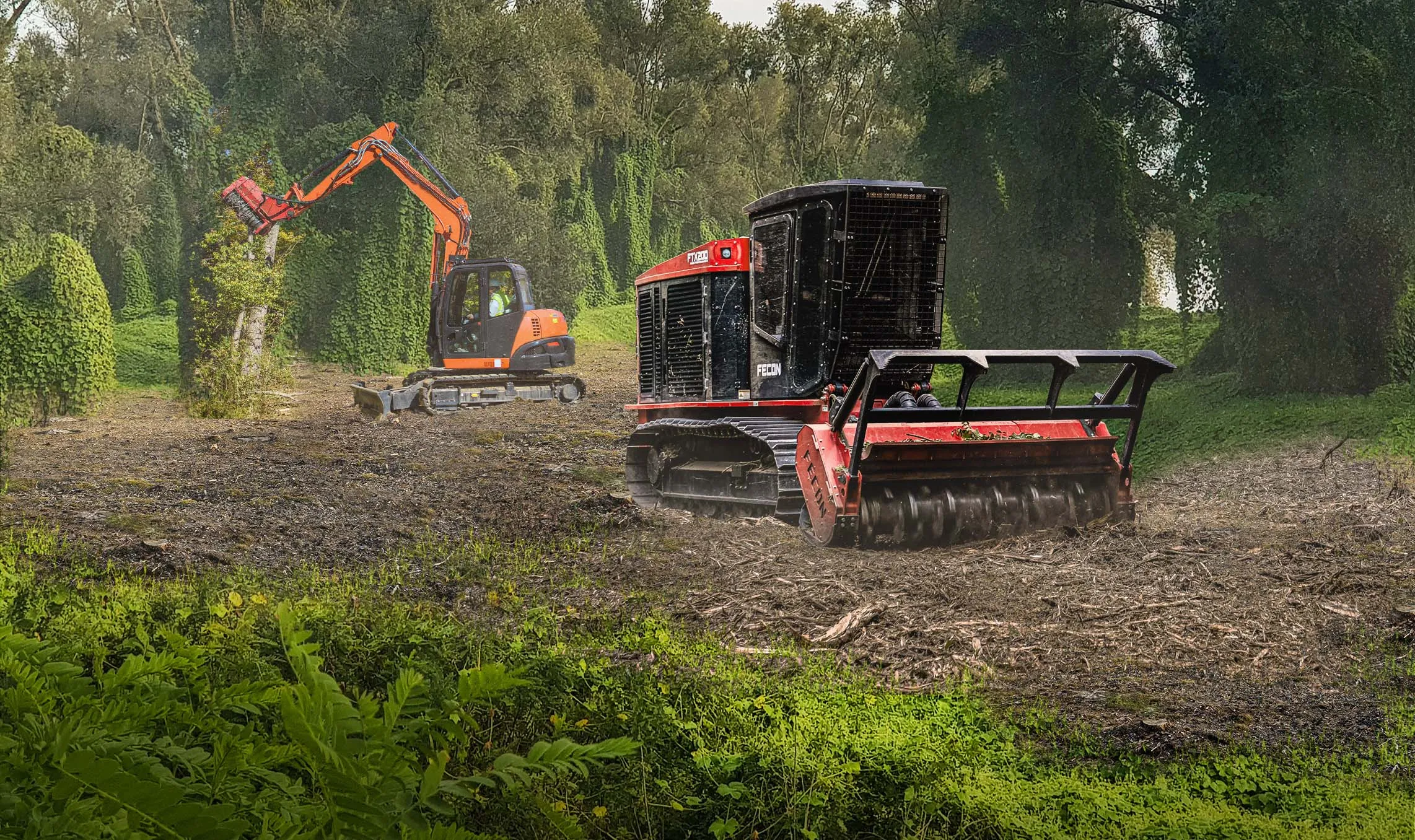
Clearing an overgrown property is often the first major step when a Wise County homeowner wants to build, expand, landscape, or improve a piece of land. Thick brush, unwanted trees, fallen limbs, stumps, and uneven ground can make even a promising property difficult to use. Professional land clearing services wise county tx help homeowners address these obstacles with appropriate equipment and a planned approach. Rather than removing vegetation randomly, experienced crews evaluate the property and determine how much clearing is actually necessary. This helps create a safer, cleaner site while protecting features that the homeowner wants to keep.
The process can look different depending on the property's size, vegetation, terrain, and future purpose. A homeowner preparing space for a new house may have different requirements from someone creating a driveway, pasture, workshop area, or recreational space. Clearing may involve tree removal, brush management, mulching, stump treatment, debris removal, and limited grading. When the work is connected to a larger construction project, clearing and excavation may also need to be coordinated. Understanding each stage helps homeowners know what to expect before heavy equipment arrives.
Step 1: Property Inspection and Project Planning
The first stage is a thorough inspection of the property. A professional contractor evaluates the acreage, vegetation, tree sizes, slopes, access points, fences, structures, drainage features, and other conditions that could affect the work. The homeowner should explain the intended use of the cleared area and identify trees, structures, or natural features that should remain. This information helps establish a practical clearing boundary. A site assessment also allows the contractor to identify potential challenges before equipment and workers are mobilized.
Planning should also account for applicable local requirements when clearing is part of development or construction. Wise County maintains development rules and related documents covering issues such as development permits, driveway permits, floodplain development, pipeline utilities, and onsite sewage facilities. For larger development projects, the owner may have additional responsibilities beyond simply hiring a clearing crew. Reviewing the applicable requirements early can help prevent unnecessary delays after clearing has already started.
Step 2: Marking Boundaries and Protecting Important Features
Before vegetation is removed, the work area should be clearly established. Property boundaries, construction zones, access routes, utility locations, septic systems, wells, fences, and areas intended for preservation should be identified whenever applicable. Homeowners should communicate exactly which trees or landscape features they want to keep. Clear markings give equipment operators a better understanding of where they can work. They also reduce the likelihood of accidentally disturbing areas that were supposed to remain untouched.
Selective clearing can be especially useful for residential properties. A homeowner may want to remove dense brush while keeping mature shade trees, attractive woodland areas, or vegetation that provides privacy. Completely clearing a property is not always the best solution, particularly when existing trees contribute to the property's appearance or help stabilize soil. Experienced contractors can use different techniques to work around desirable features. Establishing these priorities before work begins makes the final result much more predictable.
Step 3: Removing Trees, Brush, and Unwanted Vegetation
Once the site is prepared, the crew begins removing unwanted vegetation. Depending on conditions, this may include small trees, mature trees, vines, weeds, thick brush, fallen branches, and other organic material. Contractors select equipment based on the type and density of vegetation, with machinery such as skid steers, excavators, loaders, forestry mulchers, or specialized attachments commonly used for demanding work. The objective is to remove vegetation efficiently while maintaining control over the site. Equipment operators must also remain aware of structures, utilities, fences, slopes, and preserved areas.
Forestry mulching can be useful when the homeowner wants vegetation processed directly on the property rather than removed entirely. Other situations may require traditional cutting, stacking, loading, and hauling. The best method depends on what the property should look like after the project is finished. If the site needs to become construction-ready, additional work may be required beyond simply cutting vegetation. Homeowners should ask their contractor what clearing method is proposed and why it suits the property's intended use.
Step 4: Handling Stumps, Roots, and Remaining Debris
After trees and brush are removed, the property may still contain substantial material that needs attention. Tree trunks, branches, stumps, roots, rocks, and other debris can interfere with future construction or landscaping. A professional crew may grind stumps, excavate them, process wood into mulch, or arrange for material to be hauled away. The appropriate method depends on whether the property is being prepared for construction, pasture, landscaping, or another purpose. Homeowners should confirm these details because basic tree removal does not always include complete stump or debris removal.
A construction site generally requires more thorough preparation than a property being cleared simply for better access. For example, a future driveway or building area may require deeper stump and root removal so the surface can be properly prepared. Leaving substantial underground material in the wrong location can complicate later grading or excavation. This is why homeowners should explain their future plans before clearing begins. Coordinating the work with the next construction stage can prevent unnecessary duplication and additional expense.
Step 5: Grading and Preparing the Cleared Area
Once major vegetation and debris have been addressed, some properties require grading or additional surface preparation. Grading involves shaping the ground to create more suitable elevations for construction, drainage, driveways, landscaping, or other improvements. Not every clearing project requires extensive grading, and moving soil unnecessarily can create drainage or erosion problems. The contractor should determine whether grading is appropriate based on the property's terrain and the homeowner's objectives. Proper preparation focuses on creating a useful surface without disturbing more soil than necessary.
Drainage deserves particular attention when clearing and grading are combined. Wise County's development rules identify clearing, grading, and excavating as construction activities that can fall under stormwater requirements. The county's rules state that certain construction activities disturbing one acre or more, including activities that are part of a larger common development plan, may require stormwater-related compliance measures. Homeowners planning substantial site work should therefore consider erosion, runoff, and drainage requirements before major ground disturbance begins.
Step 6: Coordinating Clearing With Excavation
Land clearing is often only the beginning of a larger property improvement project. Once vegetation is removed, the next phase may involve foundation excavation, driveway preparation, pond construction, utility trenches, drainage work, or septic installation. This is where excavation services dfw tx may become relevant to a broader site-preparation plan. Clearing removes vegetation and surface obstacles, while excavation focuses on moving soil or earth materials to create the required grades, trenches, foundations, or other features. Coordinating these services can make the transition between project stages smoother.
The sequence matters because excavation equipment needs adequate access to the areas being developed. If clearing is performed without considering the future foundation, driveway, utility route, or drainage system, additional vegetation removal may become necessary later. A coordinated contractor can plan access and clearing around the intended excavation areas. Wise County's current development rules define small construction activity as certain clearing, grading, and excavating that disturbs at least one acre but less than five acres, illustrating why larger projects should be evaluated as a complete development plan.
Step 7: Final Cleanup and Site Review
The final stage involves reviewing the property and confirming that the agreed scope of work has been completed. The crew may remove remaining debris, clean access areas, address leftover stumps, and verify that designated trees or features were preserved. If grading was included, the finished elevations and surface conditions can also be reviewed. Homeowners should walk the site with the contractor when practical and discuss any items that do not match the original scope. A final inspection provides an opportunity to address questions before the equipment leaves the property.
A successful project should leave the homeowner with a clear understanding of what comes next. The finished area might be ready for construction, additional excavation, landscaping, fencing, agricultural use, or another planned improvement. Homeowners should retain project documentation and confirm whether any additional permits, inspections, or development steps apply to their specific plans. Wise County provides an online collection of development-related documents, including development and driveway permit applications and floodplain resources. Checking these requirements early can help keep the next phase moving.
Choosing Professional Land Clearing Services
Choosing the right contractor is an important part of the process. Homeowners should compare experience, equipment, insurance, communication, project scope, and references rather than selecting a company based only on the lowest estimate. A detailed proposal should explain what vegetation will be removed, what will remain, how stumps and debris will be handled, and whether grading or cleanup is included. It is also helpful to ask how the contractor plans to protect structures, utilities, desirable trees, and sensitive areas. Clear expectations make it easier to evaluate the finished work.
Professional land clearing services wise county tx can give homeowners a structured path from an overgrown property to a usable site. The process begins with inspection and planning, followed by controlled vegetation removal, stump and debris management, grading when necessary, and final cleanup. When construction or earthwork follows, coordination with excavation services dfw tx can help create a more efficient transition into the next phase. With careful planning, suitable equipment, and experienced operators, homeowners can prepare their Wise County property while minimizing unnecessary disturbance and avoiding preventable complications.