Transformed Landscaping Co.: Xeriscape in Austin Texas for a Distinctive, Low-Water Garden
By Howard Steve
5 Views
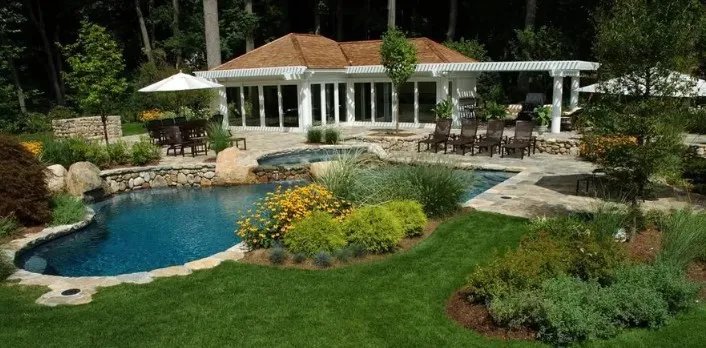
A garden can have character without relying on a large lawn, constant watering, or an overwhelming collection of plants. Thoughtful combinations of foliage, stone, flowers, and carefully selected outdoor features can create a landscape that feels personal and inviting. For homeowners in Central Texas, this approach offers an opportunity to build an attractive garden that works with local growing conditions instead of constantly fighting them.
Transformed Landscaping Co. helps homeowners explore residential landscape designs that combine appearance, functionality, and practical plant selection. A well-planned Xeriscape in Austin Texas can include colorful planting beds, decorative pathways, natural textures, and distinctive focal points while reducing unnecessary dependence on irrigation. The key is to treat water-wise landscaping as a design opportunity rather than simply replacing grass with gravel.
Give Every Garden Area Its Own Purpose
A memorable landscape does not need to look identical from one end of the property to the other. Different areas can have different visual roles while still belonging to the same overall design. One section might feature flowering plants, another could emphasize sculptural foliage, and a third might provide a simple transition between the house and backyard.
Homeowners can begin by identifying the areas they want people to notice first. The space near the front entrance may benefit from a welcoming arrangement of plants, while a side yard could use a simpler design that is easy to maintain. A small courtyard might be an ideal location for decorative stone and a distinctive container garden.
The important point is to avoid treating every section as an independent project. Repeating selected materials, colors, or plant shapes can connect different areas without making them look repetitive. This approach gives the garden variety while maintaining a consistent visual identity.
Build Visual Interest With Contrasting Textures
Texture is one of the most effective ways to create an attractive garden without depending on continuous flowering. Plants with fine leaves can soften the appearance of stone, while broad foliage can provide contrast against narrow grasses or small ground-cover plants. Combining different forms makes the landscape interesting even when few flowers are in bloom.
Decorative gravel, natural stone, and suitable edging materials can contribute to this effect. For example, a gravel pathway beside a planting bed can establish a clear boundary, while a cluster of larger stones can create a focal point among carefully selected plants. The result can feel structured without appearing overly formal.
However, material selection should reflect the property's conditions. Gravel can become hot in direct sunlight, and some stone surfaces may not be comfortable for every use. Planting areas also need appropriate soil conditions and drainage. A thoughtful design balances the visual benefits of hard materials with the growing requirements of the plants.
For homeowners considering a Xeriscape in Austin Texas, texture provides a practical way to create depth and personality without filling every open area with thirsty vegetation.
Use Seasonal Color Without Replanting the Entire Garden
A garden can change throughout the year without requiring a complete redesign each season. The key is to select plants with different flowering periods, foliage colors, and growth habits. Some varieties provide attractive leaves for much of the year, while others contribute short periods of bright color.
Rather than placing all flowering plants in one large bed, homeowners can distribute seasonal interest across the property. A few flowering plants near an entrance can make the area feel welcoming, while smaller groups along a pathway can guide the eye through the garden. Plants with silver, deep green, or blue-green foliage can help maintain visual interest between flowering periods.
Plant choices should always match the available sunlight, soil, and moisture conditions. Native and climate-adapted species may be useful options, but no plant should be selected solely because it is described as drought-tolerant. Its mature size, growth pattern, and suitability for the specific location also matter.
A balanced planting scheme can therefore offer changing color without creating a garden that depends on frequent replacement or excessive watering.
Make Decorative Features Part of the Landscape
Outdoor features can give a garden a recognizable identity. A sculptural planter, a simple stone feature, or a carefully positioned piece of outdoor art may create a focal point that makes the space feel complete. These elements can be especially useful in smaller yards where there is limited room for extensive planting.
The best focal points are proportionate to their surroundings. A large decorative object may overwhelm a compact garden, while a tiny feature can disappear in a spacious yard. Placement matters just as much as size. A focal point should be visible from a useful viewpoint and should not obstruct a walkway or interfere with plant growth.
Homeowners can also use containers to introduce height and color. Containers allow plants to be arranged in specific locations and can help define an entrance, patio, or seating area. They do require attention, however, because container soil can dry more quickly than the ground, especially during hot weather. Selecting suitable plants and containers with appropriate drainage helps support healthier growth.
Transformed Landscaping Co. offers landscape design and related outdoor services that can help homeowners coordinate planting, hardscaping, and other features into a cohesive arrangement.
Choose Ground Cover That Supports the Design
Ground cover influences both the appearance and practical performance of a garden. Traditional turf can be useful in areas intended for play or regular activity, but it may not be necessary across the entire property. In less frequently used areas, alternative ground covers can create a different look while supporting a more water-conscious design.
Decorative gravel may suit selected pathways or accent areas, while organic mulch can help cover soil in planting beds. Depending on the location, suitable low-growing plants may provide living ground cover and connect separate groups of vegetation.
Each option has different requirements. Gravel needs appropriate preparation to reduce movement and unwanted weed growth. Mulch should be applied appropriately and kept away from direct contact with plant stems and tree trunks. Living ground cover requires plants that suit the available sunlight, moisture, and foot traffic.
The goal is not to remove all grass or use one material everywhere. Instead, homeowners can decide where each surface makes sense. This creates a landscape that is easier to understand visually and better suited to how the property is used.
Create a Comfortable Outdoor Setting With Thoughtful Layouts
Even a decorative garden should feel comfortable to move through. Pathways, seating areas, planting beds, and open spaces need enough separation to serve their purposes without making the yard feel crowded. A clear layout also makes routine garden care easier.
For example, a small seating area can be surrounded by a limited number of plants rather than enclosed by dense vegetation. A walkway may follow a direct route to the entrance, with planting used to soften its edges. In a larger backyard, different areas can be connected through repeated materials or complementary plant arrangements.
Shade should also be considered. Existing trees, appropriately positioned structures, and plants suited to the site can contribute to a more comfortable setting. However, new planting should not be expected to provide immediate shade, as many trees need time to develop a substantial canopy.
The arrangement should reflect the household's preferences. Some homeowners may prefer a clean, minimalist garden, while others may want a more natural appearance with varied plants and organic shapes. A successful design can accommodate either style without losing sight of water efficiency and long-term care.
Understand the Maintenance Needs of a Water-Wise Garden
Low-water landscaping can reduce some routine demands, but it does not eliminate maintenance. Newly planted vegetation needs suitable care while becoming established. Plants may require pruning, weeds need attention, and irrigation systems should be checked to make sure water reaches the intended areas.
Maintenance becomes easier when plants are selected according to their needs. Grouping varieties with similar watering requirements can help avoid overwatering some plants while leaving others too dry. Organic mulch may help conserve soil moisture in appropriate planting beds, while a well-planned irrigation system can support efficient watering.
Homeowners should also review the landscape periodically. A plant that initially fits a space may eventually become too large, or a pathway may need attention after heavy use. Small adjustments can help preserve the intended appearance without requiring a major renovation.
A thoughtfully designed Xeriscape in Austin Texas should reflect the amount of care the homeowner is willing to provide. Choosing suitable plants and materials from the beginning helps establish realistic expectations and supports a more manageable garden.
Work With a Landscape Plan That Reflects Your Style
Every property has different conditions, and every homeowner has different preferences. Some may want a colorful front garden, while others may prefer a restrained arrangement of foliage, gravel, and stone. The design should begin with those priorities rather than copying a generic landscape from a photograph.
Transformed Landscaping Co. provides landscape design, landscaping, hardscaping, irrigation, Texas-native planting, and xeriscaping services. Its design options include 2D and 3D planning, which can help homeowners explore how different features may work together before installation.
Before arranging a consultation, homeowners can collect photographs of styles they like, identify areas that need improvement, and note which parts of the yard receive full sun or shade. They can also consider their preferred balance of plants, open space, decorative materials, and ongoing maintenance.
These details help establish a clear direction for the project. With a coordinated plan, a water-wise garden can feel tailored to the property instead of looking like a collection of unrelated low-water features.
Conclusion
A distinctive water-wise garden depends on more than drought-tolerant plants. Contrasting textures, seasonal color, decorative focal points, suitable ground cover, and a practical layout can give an outdoor space a personality of its own. Careful plant selection and appropriate irrigation planning can also support responsible water use while keeping maintenance expectations realistic.
Transformed Landscaping Co. can help homeowners explore landscape designs that reflect their tastes and the conditions of their properties. With a clear vision and well-coordinated features, a Xeriscape in Austin Texas can become an attractive, practical garden that offers visual interest without relying on excessive watering.