Trash Compactor Rental: Types, Costs, Benefits, and How to Choose the Right Equipment
By EnviroDispose LLC
9 Views
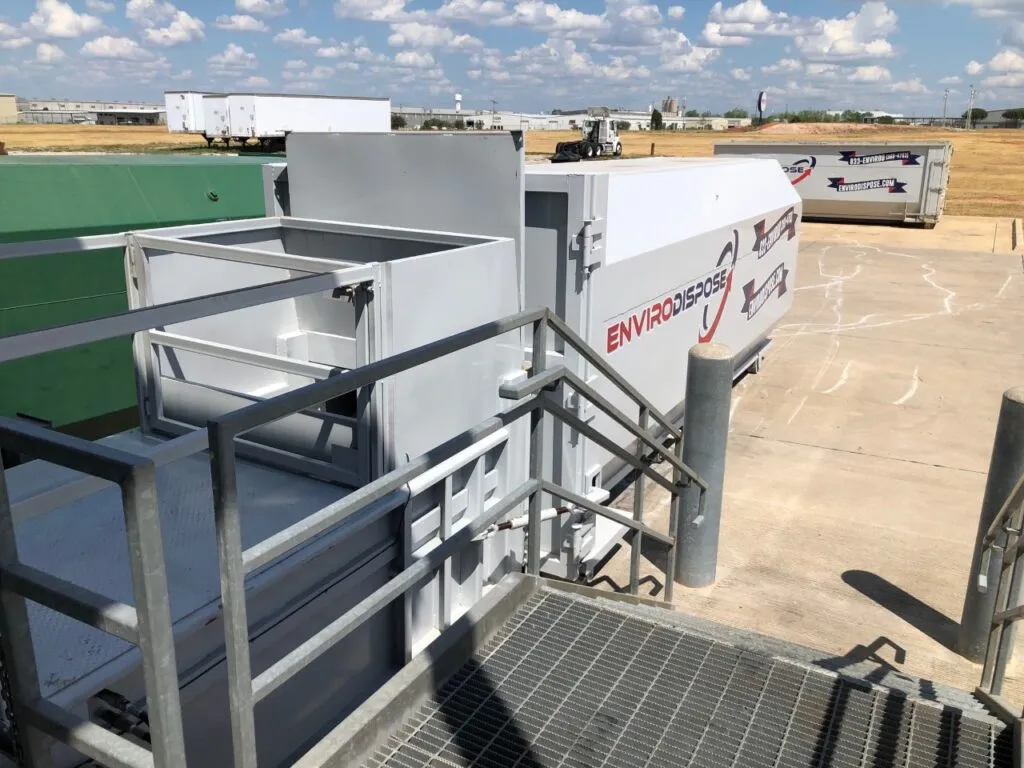
Trash compactor rental is a service that allows businesses and property managers to use waste-compacting equipment without purchasing the machinery outright. These compactors compress waste into a smaller volume, helping organizations manage garbage more efficiently and reduce the space required for temporary storage.
Trash compactor rental is commonly used by restaurants, hotels, supermarkets, warehouses, apartment complexes, shopping centers, manufacturing facilities, and other commercial properties that generate substantial amounts of waste.
Depending on the facility's requirements, rental options may include stationary compactors, self-contained compactors, vertical compactors, and other specialized equipment. Rental agreements may also include delivery, installation, maintenance, repairs, and waste collection services.
The right trash compactor rental can simplify waste handling, improve site organization, and help businesses manage their waste disposal expenses.
How Does Trash Compactor Rental Work?
Selecting the Right Equipment
The process begins by evaluating the amount and type of waste generated at the facility. Businesses producing mostly cardboard and dry packaging may need different equipment from restaurants that generate food waste and other wet materials.
A rental provider can recommend an appropriate compactor based on waste volume, available space, loading requirements, and collection frequency.
Delivery and Installation
Once the equipment is selected, the provider arranges delivery and installation according to the rental agreement.
The installation area must provide sufficient clearance for loading, servicing, and waste collection. Depending on the equipment, electrical connections, concrete foundations, drainage provisions, or other site preparations may be necessary.
Loading and Compacting Waste
Employees place approved waste into the compactor's loading opening. The machine then compresses the material using a hydraulic or mechanical system.
Compaction reduces the volume occupied by waste, allowing more material to fit into the container before collection is required.
Operators must follow the manufacturer's instructions and avoid placing prohibited materials into the machine.
Collection and Ongoing Maintenance
When the container reaches its permitted capacity, the waste collection provider removes or empties it according to the agreed schedule.
Rental arrangements may include routine inspections, maintenance, and repair services. Businesses should confirm exactly which services are covered before signing the agreement.
Types of Trash Compactors Available for Rent
Stationary Trash Compactors
Stationary compactors remain installed at a designated location while the waste container is removed separately for collection.
They are commonly used by warehouses, distribution centers, retail stores, manufacturing facilities, and large commercial properties.
These systems are particularly useful when a business generates a steady volume of dry waste, packaging, cardboard, or other suitable materials.
Self-Contained Trash Compactors
Self-contained compactors combine the compaction mechanism and waste container into an integrated unit.
They are often suitable for restaurants, hotels, grocery stores, and other facilities that handle wet waste or require better containment of liquids and odors.
A self-contained compactor can be a practical choice when waste containment and cleanliness are major operational priorities. The equipment must still be selected according to the actual waste stream and the provider's specifications.
Vertical Trash Compactors
Vertical compactors use a vertically oriented compression mechanism to reduce the volume of suitable waste materials.
They are frequently considered by businesses with limited floor space, including smaller retail locations, offices, and commercial properties.
Their suitability depends on loading access, waste volume, material type, and the available installation area.
Cardboard Compactors
Cardboard compactors are designed to compress corrugated cardboard and similar packaging materials.
They are useful for supermarkets, distribution centers, warehouses, and retail stores that receive frequent deliveries.
Depending on the equipment, businesses may also consider a cardboard baler when the objective is to produce compact, transportable bundles for recycling.
Industrial Waste Compactors
Industrial compactors are designed for facilities that generate large quantities of suitable manufacturing waste, packaging, and other industrial materials.
Their capacity, construction, and operating requirements vary considerably. Specialized waste streams may require equipment designed specifically for those materials.
Benefits of Trash Compactor Rental
Lower Initial Investment
Purchasing commercial compaction equipment can require a substantial upfront investment.
Renting allows businesses to access suitable machinery without committing to the full purchase price, which can be especially useful for temporary projects, new facilities, and organizations that want to evaluate their waste requirements before buying equipment.
Reduced Waste Volume
Compactors compress suitable waste into a smaller space.
This can reduce the frequency of container changes or waste pickups, depending on the facility's waste generation rate, compactor capacity, and collection arrangements.
Better Use of Storage Space
Overflowing waste containers can occupy valuable space around loading docks, service areas, and commercial properties.
Compaction helps consolidate waste and can improve the organization of designated waste-handling areas.
Maintenance and Repair Support
Some rental agreements include preventive maintenance and equipment repairs.
This can reduce the burden on in-house staff, although coverage varies by provider. Businesses should review service response times, exclusions, and responsibility for damage.
Flexible Equipment Access
Rental arrangements can support temporary projects, seasonal demand, facility expansions, and changes in waste volume.
Businesses can select equipment that matches current requirements without necessarily making a long-term capital commitment.
Improved Waste Management
A dedicated compactor creates a more structured process for collecting and consolidating suitable waste.
When combined with employee training and recycling procedures, it can support a cleaner and more organized facility.
How Much Does Trash Compactor Rental Cost?
The cost of trash compactor rental depends on several factors, and there is no single price that applies to every business.
Cost Factor How It Affects Rental Costs Equipment type Specialized or higher-capacity machines may cost more Rental duration Short-term and long-term agreements may use different pricing structures Waste collection Pickup frequency and hauling arrangements affect total expenses Waste type Heavy, wet, or specialized materials may require different services Installation Electrical work, foundations, or site preparation may add costs Maintenance Service coverage and repair terms influence the overall agreement Location Delivery distance and local disposal charges may affect pricing
Monthly Rental Charges
Some providers offer recurring rental agreements with monthly equipment charges. Other arrangements may combine the equipment rental with waste collection and disposal services.
Businesses should compare the full monthly cost rather than considering the equipment fee alone.
Additional Service Charges
Potential extra charges may include delivery, installation, emergency repairs, additional pickups, overage fees, and damage beyond normal wear.
Requesting an itemized quotation helps businesses understand the actual cost of renting a trash compactor.
How to Compare Rental Quotes
Before choosing a provider, businesses should ask for details about:
- Equipment rental fees
- Delivery and installation costs
- Included maintenance and repairs
- Waste collection and disposal charges
- Rental duration and cancellation terms
- Additional pickup and service fees
- Equipment replacement arrangements during repairs
Comparing providers using the same equipment requirements and expected waste volume produces a more useful cost comparison.
Trash Compactor Rental vs. Purchasing
Renting and purchasing both have advantages. The right option depends on how frequently the equipment will be used and the resources available to the business.
Consideration Renting Purchasing Initial investment Generally lower Higher upfront cost Equipment ownership Remains with the provider Belongs to the buyer Maintenance May be included in the agreement Usually managed by the owner Flexibility Useful for temporary or changing needs Better suited to established long-term needs Contract obligations Subject to rental terms No rental agreement, but maintenance obligations remain Long-term economics Depends on rental duration and services Depends on purchase price, operating costs, and equipment lifespan
Rental is often worth considering when flexibility and lower initial investment are priorities. Purchasing may be more economical for businesses with stable, long-term requirements, particularly when maintenance and operating costs can be managed internally.
A total-cost comparison should include equipment costs, maintenance, collection, disposal, installation, and the expected period of use.
How to Choose the Right Trash Compactor Rental
Evaluate Waste Type and Volume
Start by identifying the materials generated at the facility.
Important considerations include:
- Cardboard and packaging
- General commercial waste
- Food waste and other wet materials
- Manufacturing waste
- Daily and weekly waste volumes
- Peak seasonal demand
Waste composition helps determine the appropriate compactor design and container capacity.
Consider Available Space
The installation area must accommodate the equipment, loading activities, and collection vehicles.
Businesses should also consider access routes, overhead clearance, nearby buildings, pedestrian movement, and the location of electrical services.
Review Container Capacity
A compactor that is too small may require frequent collections, while oversized equipment can increase rental and installation expenses.
Capacity should be matched to waste volume, material density, and the planned pickup schedule.
Check Maintenance and Support
Reliable service is important because equipment downtime can disrupt normal waste operations.
Ask the provider about preventive maintenance, emergency response, repair coverage, and replacement equipment availability.
Review Safety Features
Commercial compactors contain moving components and powerful compression mechanisms.
Equipment should have appropriate guards, interlocks, emergency stops, and other safety features required for its design and applicable regulations. Staff must receive proper operating instructions and training.
Best Practices for Using a Rental Trash Compactor
Train Employees
Workers should understand the loading procedure, operating controls, emergency stops, and restrictions on acceptable materials.
Only authorized and appropriately trained personnel should operate the machinery.
Separate Recyclable Materials
Cardboard, metals, and other recyclable materials may have greater recovery value when collected separately.
Businesses should determine whether dedicated recycling containers, cardboard balers, or separate waste streams would improve their overall waste-management process.
Avoid Overloading
Waste should remain within the equipment's rated capacity and loading limits.
Employees should never bypass safety devices, reach into moving machinery, or attempt to clear a jam while the equipment is energized.
Schedule Regular Maintenance
Inspections and maintenance should follow the manufacturer's recommendations and rental agreement.
Employees should report unusual noises, leaks, damaged guards, or operating problems promptly.
Monitor Waste Collection
Reviewing pickup frequency and waste volume can help identify opportunities to improve the service schedule.
A well-planned collection schedule can help prevent overflowing containers and unnecessary service visits.
Frequently Asked Questions
What is trash compactor rental?
Trash compactor rental is a service that provides businesses with waste-compacting equipment for an agreed period, often with optional installation, maintenance, and collection services.
Who benefits from renting a trash compactor?
Restaurants, hotels, supermarkets, warehouses, apartment complexes, retail stores, manufacturing facilities, and other businesses that generate significant waste may benefit from renting a suitable compactor.
Is a stationary or self-contained compactor better?
A stationary compactor is often suitable for dry waste and high-volume commercial operations. A self-contained unit may be more appropriate when wet waste containment is important. The best option depends on the waste stream and site requirements.
Does trash compactor rental include waste collection?
Some providers offer combined equipment rental and waste collection services, while others charge separately. The contract should specify pickup frequency, disposal charges, and any additional service fees.
Can a trash compactor reduce waste disposal costs?
It can help reduce waste volume and potentially lower collection frequency. However, actual savings depend on rental fees, waste generation, disposal charges, pickup schedules, and the equipment's suitability.
How long can a trash compactor be rented?
Rental periods vary by provider and may include short-term, monthly, or longer-term agreements. Businesses should select a period that matches their expected waste requirements and review extension and cancellation terms.
Final Thoughts
Trash compactor rental provides businesses with a flexible way to manage waste without purchasing expensive compaction equipment outright. It can help reduce waste volume, improve storage efficiency, support cleaner work areas, and simplify commercial waste-handling operations.
The best rental solution depends on waste type, container capacity, installation requirements, collection frequency, maintenance coverage, and total service costs.
Before signing an agreement, businesses should compare equipment options, review contract terms, confirm safety requirements, and request a detailed quotation. With the right equipment and an effective waste-management plan, trash compactor rental can become a practical component of a cleaner and more efficient commercial operation.