Turning Gaming Ideas into Businesses: The Legal Challenges of India's Gaming Sector
By Ahlawat Associates
5 Views
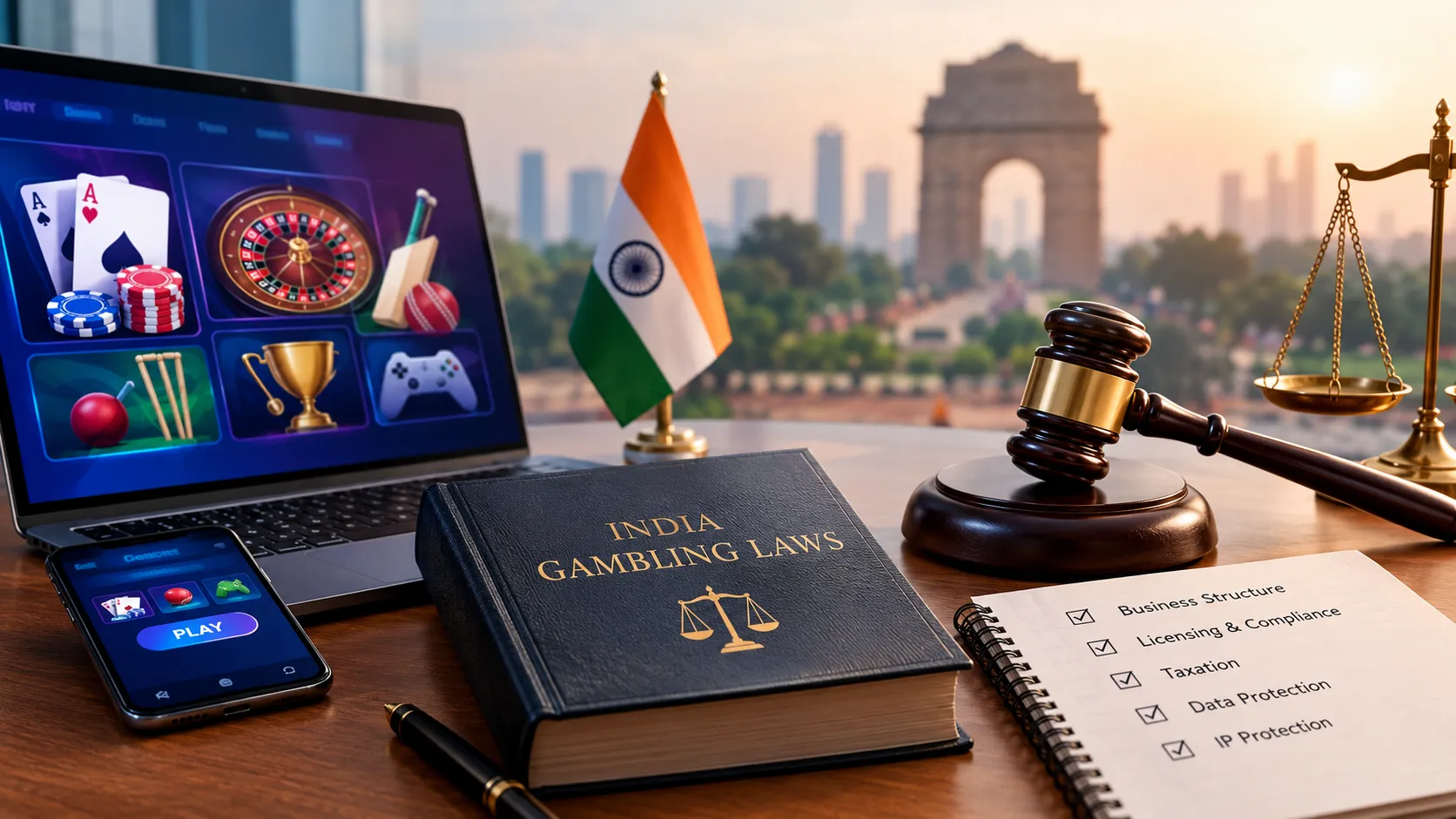
India's gaming industry has evolved into a significant business opportunity, attracting entrepreneurs, technology companies, investors, and international gaming platforms. With the growth of online gaming, mobile applications, fantasy sports, and interactive entertainment, businesses are increasingly exploring opportunities in this expanding sector. However, transforming a gaming concept into a successful venture requires more than technological innovation and market research. Understanding the legal framework, regulatory requirements, and compliance obligations is equally important.
For entrepreneurs considering setting up a business in India, the gaming industry presents both promising opportunities and complex legal challenges. In particular, understanding India gambling laws is essential for determining whether a proposed gaming model can legally operate in the country.
Understanding India's Gaming Industry and Its Legal Framework
India's gaming ecosystem includes several business models, such as online skill-based games, fantasy sports, casual mobile games, esports, and games involving monetary stakes. Each category may attract different legal considerations depending on its structure and operational features.
One of the most important distinctions under Indian law is between games of skill and games of chance. Historically, Indian courts have recognised that games predominantly involving skill may receive different legal treatment from gambling activities primarily dependent on chance.
The Public Gambling Act, 1867, provides an important historical foundation for gambling regulation, although gambling and betting are primarily state subjects under the Indian Constitution. Consequently, different states may have different laws, restrictions, and regulatory approaches.
Businesses must therefore examine the applicable central and state-level legal provisions before launching a gaming platform. A business model that is permissible in one state may face restrictions in another.
India Gambling Laws: What Entrepreneurs Should Know
Understanding India gambling laws is a critical step for anyone planning to establish a gaming-related company. India's regulatory framework is not governed by a single uniform gambling law applicable identically across every state.
Several states have introduced specific restrictions concerning online gaming, betting, and games involving monetary stakes. Therefore, entrepreneurs must assess the nature of their proposed gaming activities and the geographical markets they intend to serve.
Another important consideration is the distinction between legitimate online gaming operations and activities that may fall within prohibited gambling categories. The involvement of entry fees, monetary rewards, chance-based outcomes, and platform revenue models can influence the legal assessment.
Businesses should also monitor developments concerning the Promotion and Regulation of Online Gaming Act, 2025, and its implementing framework, including applicable commencement and regulatory provisions. The current legal position must be verified before commencing operations, as the regulatory environment continues to evolve.
Seeking professional legal advice at the planning stage can help businesses identify potential restrictions and structure their operations appropriately.
Setting Up a Business in India: Key Legal Requirements
For domestic and international entrepreneurs, setting up a business in India involves several legal and regulatory steps. Choosing an appropriate business structure is among the first decisions.
Depending on the business objectives, founders may consider establishing a private limited company, limited liability partnership (LLP), or another suitable legal entity. A private limited company is often considered by technology startups seeking external investment, structured ownership, and opportunities for expansion.
The incorporation process generally involves:
- Obtaining Digital Signature Certificates (DSCs) for authorised individuals.
- Applying for Director Identification Numbers (DINs), where applicable.
- Selecting and reserving an appropriate company name.
- Filing incorporation documents with the Ministry of Corporate Affairs (MCA).
- Obtaining the Certificate of Incorporation.
- Completing applicable tax registrations and other statutory requirements.
Gaming businesses should also carefully define their business activities in their constitutional documents to ensure that their proposed operations are accurately represented.
Foreign entrepreneurs intending to establish gaming ventures in India must additionally examine foreign direct investment (FDI) rules, FEMA requirements, and sector-specific investment restrictions. The permissibility of foreign investment depends on the precise business model and applicable government policies.
Licensing, Compliance, and Operational Responsibilities
Incorporation alone does not automatically authorise a company to operate every type of gaming platform. Businesses must identify whether their activities require specific registrations, approvals, or compliance measures.
Depending on the business model, important considerations may include state gaming regulations, applicable online gaming rules, consumer protection requirements, and advertising restrictions.
Companies must also establish appropriate internal compliance systems to manage operational and legal risks. These may include user verification procedures, transparent terms and conditions, responsible gaming measures, complaint-handling mechanisms, and safeguards against fraudulent activities.
Where a platform processes user information or financial transactions, additional obligations may arise under India's data protection, cybersecurity, payment, and financial regulations.
For instance, gaming platforms collecting personal information must consider applicable requirements under the Digital Personal Data Protection Act, 2023, and relevant rules. Businesses facilitating payments must also examine applicable payment system regulations and contractual requirements.
A well-designed compliance framework can help companies reduce regulatory exposure while building trust among users and business partners.
Intellectual Property Protection for Gaming Startups
Intellectual property is another important consideration when transforming a gaming concept into a commercial venture.
Gaming businesses frequently invest in original software, application interfaces, graphics, characters, music, branding, and proprietary technologies. Protecting these assets can help prevent unauthorised copying and strengthen the company's commercial position.
Copyright protection may apply to original software code, artistic elements, music, and other creative works. Trademark registration can help protect the gaming platform's name, logo, and brand identity. Patent protection may also be relevant where an invention satisfies the applicable statutory requirements.
Founders should additionally ensure that employment agreements, developer contracts, licensing arrangements, and intellectual property assignment agreements clearly establish ownership of business assets.
Managing Legal Risks While Building a Gaming Business
The gaming sector involves risks that can affect both newly established startups and established technology companies. Regulatory changes, state-specific restrictions, intellectual property disputes, consumer complaints, and data security incidents can create operational challenges.
Entrepreneurs should conduct legal due diligence before launching their products, particularly when their platforms involve real-money participation, monetary rewards, or cross-border operations.
Regular compliance reviews, well-drafted commercial agreements, transparent user policies, and professional legal guidance can help businesses respond to regulatory developments.
International companies entering the Indian market should also assess whether their existing gaming models require modifications to comply with Indian legal requirements.
Conclusion
India's gaming industry offers considerable opportunities for entrepreneurs willing to combine innovation with regulatory awareness. However, building a sustainable gaming venture requires careful consideration of business incorporation, applicable gaming regulations, intellectual property protection, taxation, and ongoing compliance.
Understanding India gambling laws and the legal requirements involved in setting up a business in India can help entrepreneurs make informed decisions before entering this competitive market.
With appropriate legal planning and professional guidance, businesses can establish a stronger foundation, manage regulatory risks, and pursue long-term growth in India's evolving gaming ecosystem.