Turning Kitchen Scraps Into Garden Gold With a Backyard Compost Bin
By alexjoe
7 Views
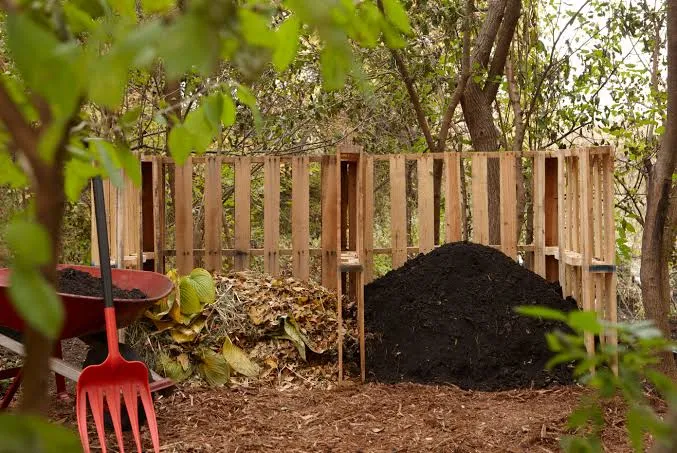
Every year, tons of food scraps end up in landfills where they produce methane instead of returning nutrients to the soil. A simple backyard compost bin changes that equation entirely. What once went into the trash becomes rich, dark compost that feeds gardens naturally and reduces household waste at the same time.
Composting at home does not require fancy equipment or advanced knowledge. With the right setup and a few basic habits, anyone can turn vegetable peels, coffee grounds, and yard waste into something genuinely valuable for the garden.
How an Outdoor Compost Bin Works
An outdoor compost bin creates the ideal environment for organic matter to break down efficiently. Microorganisms, fungi, and beneficial insects do most of the work, transforming scraps into humus over weeks or months depending on conditions.
The process requires four basic elements working together:
- Greens: Nitrogen-rich materials like fruit scraps, vegetable trimmings, and fresh grass clippings provide the fuel that heats the pile.
- Browns: Carbon-rich materials like dried leaves, cardboard, and straw provide structure and balance the nitrogen.
- Moisture: Enough water to keep the pile damp but not soggy allows microbes to thrive.
- Air: Oxygen supports the aerobic microbes that drive efficient decomposition.
Choosing the Right Bin Style
The best compost bin depends on available space, the volume of scraps generated, and how hands-on the gardener wants to be with the process.
Enclosed bins with solid walls and lids keep pests out and retain heat well, speeding decomposition. Tumbler-style bins make turning the pile easier by allowing gardeners to rotate the entire container rather than using a pitchfork. Open bins or simple wire enclosures allow maximum airflow and accommodate larger volumes of yard waste without size restrictions.
A backyard compost bin placed in a convenient location gets used consistently. Tucking it too far from the kitchen often leads to abandoned composting habits when carrying scraps outside feels like a chore. Ideally, the bin should be accessible enough for daily deposits but positioned where it does not dominate the landscape or create issues with neighbors.
What Goes In and What Stays Out
Successful composting depends on knowing what materials help the process and what creates problems that make the whole system unpleasant.
Add freely:
- Fruit and vegetable scraps
- Coffee grounds and tea leaves
- Eggshells (crushed for faster breakdown)
- Yard trimmings and fallen leaves
- Shredded paper and cardboard
- Plant-based kitchen waste
Keep out:
- Meat, fish, and dairy (attracts pests and creates odors)
- Oils and fatty foods
- Diseased plants
- Pet waste
- Treated or painted wood
Maintaining the Pile for Faster Results
An outdoor compost bin works on its own schedule, but a few habits speed things up considerably. Turning or stirring the pile every week or two introduces oxygen and distributes moisture evenly throughout the material. Chopping larger scraps into smaller pieces increases surface area for microbes to work on and accelerates breakdown.
Monitoring moisture levels also helps keep decomposition moving. Too dry, and decomposition slows to a crawl. Too wet, and the pile becomes anaerobic and develops unpleasant smells.
During hot summer months, active piles can produce finished compost in as little as six to eight weeks with proper attention. Cooler temperatures slow the process, but decomposition continues year-round in most climates.
Using Finished Compost in the Garden
Finished compost looks and smells like rich, dark earth. No recognizable scraps remain, and the texture feels crumbly and light in the hand.
Mixed into garden beds, compost increases water retention in sandy soils and improves drainage in clay-heavy soils. It adds slow-release nutrients that feed plants steadily rather than delivering a quick burst that fades. Beneficial microorganisms present in compost also help suppress certain plant diseases and support overall soil health.
A thin layer spread around established plants serves as mulch, conserving moisture and regulating soil temperature through hot and cold periods. Container gardens benefit from compost additions as well, refreshing potting mix that has lost nutrients over multiple growing seasons.
Building a Sustainable Garden Routine
Setting up a backyard compost bin takes minimal effort compared to the ongoing benefits it provides. Kitchen waste shrinks dramatically, garbage bills decrease, and gardens receive a steady supply of free, nutrient-rich amendment that would otherwise cost money at the garden center.
The first pile might feel like an experiment, but the process quickly becomes routine. Within a few months, what once seemed like trash transforms into one of the garden's most valuable resources.