Waste Management Roll Off Dumpster: The Complete Guide for Construction, Renovation, and Cleanup Projects
By Pascon Roll Off
126 Views
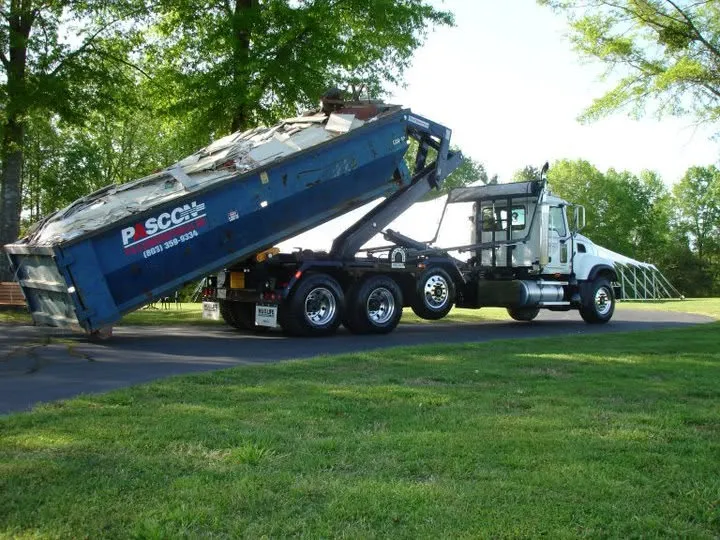
A waste management roll off dumpster is one of the most efficient solutions for handling large amounts of debris generated during construction, demolition, renovation, landscaping, and property cleanout projects. These large, open-top containers are designed for temporary use and provide a convenient way to collect, transport, and properly dispose of waste materials.
Whether for residential, commercial, or industrial applications, a roll off dumpster helps keep projects organized, safe, and environmentally responsible. By understanding how roll off dumpsters work, available sizes, accepted materials, and best practices, property owners and contractors can make informed waste management decisions.
This comprehensive guide covers everything you need to know about waste management roll off dumpster.
What Is a Roll Off Dumpster?
Definition
A roll off dumpster is a large rectangular waste container delivered to a project site by a specialized truck. The container is placed temporarily on-site and removed once it is filled or the project is completed.
The name "roll off" comes from the delivery method, as the container is rolled off the back of the truck onto the designated location.
Key Features
Most roll off dumpsters include:
- Open-top design
- Heavy-duty steel construction
- Large debris capacity
- Rear access doors on many models
- Temporary rental availability
- Easy loading for bulky materials
These features make roll off dumpsters ideal for projects generating significant waste volumes.
How Roll Off Dumpsters Work
The process generally involves:
- Selecting the appropriate dumpster size
- Scheduling delivery
- Loading debris into the container
- Arranging pickup
- Transporting waste for disposal or processing
This streamlined system simplifies waste management for projects of all sizes.
Common Uses for Roll Off Dumpsters
Construction Projects
Construction sites generate a wide range of waste materials.
Common debris includes:
- Wood
- Drywall
- Concrete
- Roofing materials
- Metal
- Packaging materials
Roll off dumpsters help maintain organized and safer work environments.
Home Renovations
Remodeling projects often create more waste than standard trash collection services can accommodate.
Examples include:
- Cabinet removal
- Flooring replacement
- Bathroom renovations
- Kitchen remodels
A dumpster provides a central location for debris collection.
Demolition Projects
Demolition work can generate substantial waste in a short period.
Common materials include:
- Concrete
- Brick
- Lumber
- Metal components
Roll off dumpsters simplify debris management and removal.
Property Cleanouts
Property cleanouts frequently involve removing:
- Furniture
- Appliances
- Household clutter
- Storage contents
A dumpster can significantly reduce cleanup time and hauling requirements.
Landscaping Projects
Outdoor improvement projects often generate:
- Tree limbs
- Shrubs
- Sod
- Soil
- Yard debris
Having a dumpster on-site supports efficient cleanup.
Roll Off Dumpster Sizes
Selecting the right dumpster size is essential for controlling costs and ensuring project efficiency.
Common Dumpster Sizes
Dumpster Size Typical Capacity Common Uses
10 Yard
Small projects
Garage cleanouts, minor remodeling
15 Yard
Medium projects
Flooring removal, yard cleanup
20 Yard
Residential renovations
Roofing and remodeling projects
30 Yard
Large construction jobs
Commercial renovations and cleanouts
40 Yard
Major demolition projects
Large-scale construction and demolition
Choosing the Right Size
Factors to consider include:
- Project scope
- Debris volume
- Material weight
- Available placement space
- Rental budget
Proper planning helps avoid overfilling and additional rental fees.
Selecting the correct dumpster size can improve efficiency and help control project costs.
Benefits of Using a Waste Management Roll Off Dumpster
Improved Site Safety
Construction debris and scattered waste can create hazards.
A roll off dumpster helps reduce:
- Trip hazards
- Sharp object exposure
- Obstructed work areas
- Workplace accidents
A cleaner site often leads to safer operations.
Enhanced Project Efficiency
Workers can dispose of debris immediately rather than creating temporary waste piles.
Benefits include:
- Faster cleanup
- Better workflow
- Reduced labor time
- Improved productivity
Convenient Waste Collection
A centralized container makes debris management easier throughout the project.
Advantages include:
- Less hauling
- Better organization
- Easier waste handling
- Simplified cleanup
Environmental Responsibility
Proper waste disposal supports responsible environmental practices.
Many waste streams contain recyclable materials that may be diverted from landfills when processed appropriately.
Materials Commonly Accepted
Construction Debris
Most roll off dumpsters accept:
- Wood
- Drywall
- Concrete
- Brick
- Asphalt shingles
- Tile
Household Items
Commonly accepted materials include:
- Furniture
- Clothing
- Household goods
- Non-hazardous junk
Yard Waste
Many dumpsters can accommodate:
- Leaves
- Branches
- Grass clippings
- Landscaping debris
Material acceptance policies may vary depending on local regulations.
Materials Commonly Prohibited
Certain materials typically require specialized disposal methods.
Hazardous Waste
Examples include:
- Chemicals
- Solvents
- Paint products
- Pesticides
- Fuel containers
Electronic Waste
Electronic devices may require separate recycling.
Examples include:
- Computers
- Televisions
- Monitors
- Printers
Batteries
Many battery types contain materials that require special handling.
Medical Waste
Biohazardous and medical waste are generally prohibited from standard dumpsters.
Always verify disposal guidelines before loading restricted materials.
Understanding Roll Off Dumpster Rental Costs
Several factors influence rental pricing.
Dumpster Size
Larger containers generally have higher rental rates due to increased capacity and hauling requirements.
Rental Duration
Longer rental periods may increase overall costs.
Weight Limits
Most rentals include a specific weight allowance.
Exceeding weight limits may result in additional fees.
Type of Debris
Certain materials may involve specialized disposal costs.
Delivery Location
Transportation distance and accessibility can affect pricing.
The Roll Off Dumpster Rental Process
Step 1: Assess Project Needs
Estimate:
- Waste volume
- Material type
- Project duration
- Placement space
Proper planning helps ensure the correct dumpster size is selected.
Step 2: Schedule Delivery
The dumpster is delivered and placed at the designated location.
Common placement areas include:
- Driveways
- Construction sites
- Parking lots
- Commercial properties
Step 3: Load the Dumpster
As work progresses, debris can be placed directly into the container.
Recommended loading practices include:
- Loading heavy items first
- Distributing weight evenly
- Staying below fill lines
- Following disposal guidelines
Step 4: Arrange Pickup
Once the project is complete, the dumpster is removed and transported for disposal or processing.
Environmental Benefits of Roll Off Dumpsters
Organized Waste Management
Centralized waste collection helps reduce litter and unauthorized dumping.
Recycling Opportunities
Many materials may be recovered and recycled.
Examples include:
- Metal
- Concrete
- Cardboard
- Wood
Resource Conservation
Recycling helps reduce the demand for raw materials and supports sustainable practices.
Regulatory Compliance
Professional waste management services help projects comply with environmental and disposal regulations.
Responsible waste management contributes to cleaner communities and long-term environmental sustainability.
Best Practices for Roll Off Dumpster Use
Estimate Waste Accurately
Understanding the amount of debris expected helps prevent selecting a container that is too small.
Prepare the Placement Area
The delivery location should be:
- Level
- Accessible
- Free from obstructions
- Suitable for heavy equipment
Follow Loading Guidelines
To maximize capacity:
- Break down bulky materials
- Load evenly
- Avoid prohibited items
- Stay below fill lines
Schedule Timely Pickup
Prompt removal helps maintain site cleanliness and avoid unnecessary rental extensions.
Frequently Asked Questions
How Long Can a Roll Off Dumpster Be Rented?
Rental periods vary depending on project requirements and service agreements.
What Size Dumpster Is Best for Home Renovations?
Many remodeling projects utilize a 20-yard dumpster, although needs vary by project scope.
Can Construction Debris Be Disposed Of?
Yes, construction debris is one of the most common waste streams handled by roll off dumpsters.
Are Weight Limits Important?
Yes. Exceeding included weight allowances may result in additional disposal fees.
Conclusion
A waste management roll off dumpster provides a practical and efficient solution for handling debris generated during construction, renovation, demolition, landscaping, and property cleanup projects. With multiple size options, flexible rental periods, and the ability to manage large volumes of waste, roll off dumpsters remain an essential tool for homeowners, contractors, and businesses.
By understanding dumpster sizes, accepted materials, rental procedures, and environmental considerations, individuals can make informed decisions that improve project efficiency and support responsible waste disposal practices. Proper planning and effective waste management help create safer, cleaner, and more productive project sites.
Choosing the right waste management roll off dumpster can streamline cleanup, enhance safety, and ensure waste is handled responsibly from project start to completion.