Weight Benches in the UAE: How to Build a Home Workout Around One Versatile Bench
By Athletix
43 Views
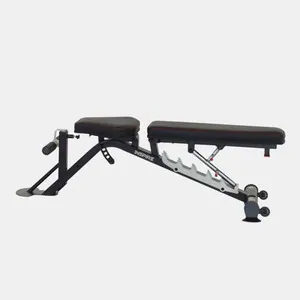
A good home workout does not always require a room full of machines. Sometimes, one well-chosen weight bench can make the equipment you already own considerably more useful.
Think about the exercises you can perform with a bench and a pair of dumbbells. You can press, row, support single-arm movements, train your arms, and add different positions to your strength routine. Combine the bench with a barbell or resistance equipment, and the possibilities become even broader.
The challenge is choosing a bench that fits your training rather than buying one that looks impressive but spends most of its time unused.
For home gym owners in Dubai, Abu Dhabi, Sharjah, Ajman, Ras Al Khaimah, Fujairah, and across the UAE, the right weight bench depends on the exercises you enjoy, the equipment you already own, and the space available.
This guide focuses on how to make a weight bench a practical part of your training routine.
Start With the Role Your Bench Will Play
Before comparing models, decide what you expect the bench to do.
A weight bench can serve several purposes:
- Support dumbbell pressing exercises
- Provide a stable position for rows
- Assist with seated shoulder exercises
- Support certain core movements
- Create a platform for step-ups, where appropriate
- Work alongside a barbell and rack
- Provide support for single-arm exercises
Not every bench is designed for every movement. Its dimensions, adjustment options, stability, and construction determine how it can be used.
Start with your regular workout rather than the number of features advertised on the product page.
Build a Routine Around Different Bench Positions
Your bench position can change the type of exercises you perform.
A flat position is useful for traditional pressing and supported movements. An incline position can introduce a different pressing angle, while a decline position is available on certain models.
If you are considering an adjustable design, check the actual angles provided.
The adjustment range should match your intended exercises. A bench with several positions is not automatically better if you only need a stable platform for basic strength training.
A Simple Dumbbell Workout Using a Weight Bench
A weight bench can help turn a pair of dumbbells into a more complete home workout.
Here is an example routine:
1. Dumbbell bench press
Lie on the bench and press the dumbbells upward with controlled movement.
2. Incline dumbbell press
If your bench supports incline adjustment, use a suitable angle for this variation.
3. Supported dumbbell row
Place one hand and knee on the bench while performing a controlled row with the other arm.
4. Seated shoulder press
Use the bench backrest if the model provides suitable support.
5. Seated dumbbell curls
Sit comfortably and perform controlled repetitions without swinging the weights.
6. Triceps extensions
Choose a variation that suits your ability and the available bench position.
Select appropriate resistance and focus on technique. The goal is to use the bench to support the movements, not to make every exercise more complicated.
Why Stability Should Come Before Extra Features
A weight bench should remain stable during normal use.
This is particularly important when you are holding dumbbells or supporting a barbell exercise.
Check:
- Frame construction
- Base width
- Leg design
- Connection points
- Locking mechanisms
- Overall weight
- Manufacturer's load rating
A bench that moves or rocks during exercise can make training uncomfortable and may create unnecessary risk.
If possible, inspect the bench on a level surface before using it.
Understand the Different Load Ratings
Weight bench specifications can be confusing because manufacturers may list more than one capacity.
You may see:
- Maximum user weight
- Maximum training load
- Maximum combined load
These figures may describe different limits.
For example, the combined load may include the user's body weight and the weights being lifted. Do not assume that a stated capacity refers only to the dumbbells or barbell.
Read the manufacturer's explanation and never exceed the specified limits.
Bench Height and Your Body Position
Bench height affects how comfortably you can get into position.
For a flat dumbbell press, your feet should be able to rest securely on the floor or on an appropriate stable support.
If the bench is too high for your body proportions, maintaining a comfortable position may become difficult.
Before purchasing, check:
- Height from floor to padding
- Bench length
- Bench width
- Backrest dimensions
- Seat dimensions
These details can help you determine whether the bench suits your body and preferred exercises.
Padding and Upholstery Make a Difference
The bench is a contact surface used throughout your workout.
Poorly designed padding can become uncomfortable during longer sessions, while an unsuitable surface may affect how securely you feel positioned.
Consider:
- Padding thickness
- Firmness
- Surface texture
- Upholstery material
- Stitching
- Ease of cleaning
The padding should provide support without feeling excessively soft.
For a shared home gym, choose a surface that can be cleaned easily after use.
Fixed or Adjustable: Which Should You Choose?
Weight benches generally fall into different design categories.
Fixed Flat Benches
A fixed flat bench offers one horizontal position.
It can be a straightforward option for dumbbell presses, supported rows, and other exercises that require a stable surface.
Its simplicity can also make it easier to store and maintain.
Adjustable Benches
Adjustable benches provide different backrest positions.
Depending on the design, they may support flat, incline, and decline training.
They can be useful if you regularly change exercise angles or share the bench between different workout routines.
Specialist Bench Designs
Some benches are designed for particular exercises or training arrangements.
Examples include preacher curl benches, Olympic bench stations, and benches with integrated leg attachments.
Choose specialist equipment only when its intended exercises are part of your regular training.
Match the Bench to Your Existing Equipment
A bench should work with the rest of your home gym.
If you already own dumbbells, check that the bench provides suitable support for your pressing and rowing exercises.
If you use a squat rack or barbell station, make sure the bench can fit comfortably between the uprights and be moved into the correct position.
You should also consider whether the bench can be used alongside:
- Dumbbells
- Barbells
- Weight plates
- Cable machines
- Functional trainers
- Smith machines
The objective is to create a compatible setup rather than purchasing equipment that cannot work comfortably together.
Using a Bench With a Cable Machine
A weight bench can add useful exercise options to a cable-based setup.
Depending on the machine's design and available space, you may be able to perform:
- Seated cable rows
- Supported cable exercises
- Cable chest presses
- Cable fly variations
Check the cable travel and bench position before exercising.
The bench should not block the machine's adjustment points or interfere with the cable path.
Use only configurations that are supported by the equipment manufacturer.
Make Your Bench Useful for More Than Pressing
It is easy to think of a weight bench as equipment for chest workouts alone.
However, it can also support a wider range of exercises.
For example:
Upper-body training: Dumbbell rows, presses, curls, and triceps exercises.
Shoulder training: Seated pressing and supported lateral raise variations.
Core work: Selected supported movements, depending on the bench design and your ability.
Single-side training: One-arm rows and other unilateral exercises.
Mobility and preparation: Certain controlled movements can use the bench as a support surface.
Choose exercises that suit the bench's construction and your training experience.
Weight Benches for Small Apartments
A bench can be useful in an apartment because it does not require the same space as many large resistance machines.
However, measure the area where you intend to train.
Think about:
- Bench footprint
- Space for dumbbell movement
- Room to lie down and sit up
- Clearance around the bench
- Storage when not in use
- Doorway access
Some benches include transport wheels or folding features. These can help with storage, but check the locking system and stability before exercising.
Do not choose a folding model solely because it is compact. It must still be appropriate for your intended training.
Setting Up a Bench in a Villa Gym
A dedicated workout room gives you more flexibility to create a permanent bench area.
You might arrange:
- Weight bench
- Dumbbell rack
- Barbell station
- Weight plate storage
- Cable machine
- Exercise mat
Keep the bench accessible from different sides where necessary.
Allow enough room to pick up dumbbells, position your body, and return the weights safely.
Flooring and Bench Placement
The surface beneath your bench matters.
Place it on a stable, level floor. Uneven flooring can affect stability, particularly when the bench has adjustable legs or a folding structure.
Appropriate gym flooring can help protect the surrounding surface during normal equipment use.
Avoid placing the bench where it can slide into other equipment or block a walkway.
If you are training in an apartment, consider the noise created when dumbbells are placed down. Controlled handling is better than dropping weights.
Sharing a Weight Bench With Family Members
If several people use the same home gym, adjustability and ease of movement become more important.
Check whether different users can comfortably use:
- Bench height
- Backrest positions
- Seat positions
- Available support area
A bench that suits one person's body proportions may not be equally comfortable for another.
Also consider how quickly the bench can be adjusted between exercises. Simple adjustment mechanisms can make shared workouts easier to organise.
Safety During Bench Exercises
A weight bench is only one part of a safe training environment.
Before starting a workout:
- Check that the bench is stable.
- Confirm that adjustment pins are fully secured.
- Position the bench on level flooring.
- Check the manufacturer's load limits.
- Use suitable resistance.
- Keep the surrounding area clear.
For barbell pressing, use an appropriate rack and safety arrangement. Do not assume that a standalone weight bench provides the same protection as a properly configured bench press station.
If you train alone, consider equipment specifically designed to provide suitable safety support.
Maintenance: Keep the Bench Ready for Regular Use
A weight bench does not require complicated maintenance, but regular checks are worthwhile.
Inspect:
- Frame connections
- Bolts
- Adjustment pins
- Locking mechanisms
- Upholstery
- Padding
- Feet and stabilisers
- Transport wheels
Clean the surface after use and follow the manufacturer's care instructions.
If the bench develops unusual movement, damaged padding, or a faulty locking mechanism, stop using it until the problem has been addressed.
Common Mistakes When Choosing a Weight Bench
Buying Based Only on Price
A low price does not tell you whether the bench is stable or suitable for your exercises.
Ignoring Bench Dimensions
Length, width, and height all affect how comfortably you can train.
Assuming Every Bench Is Adjustable
Check the product design and supported positions.
Overlooking Load Capacity
Understand whether the stated rating includes the user's body weight.
Forgetting Equipment Compatibility
A bench may not fit properly inside every rack or cable machine setup.
Choosing Too Many Features
Buy for your routine rather than paying for attachments you are unlikely to use.
What to Check Before Buying Weight Benches Online in the UAE
When comparing weight benches, review the complete specifications.
Look at:
- Bench type
- Overall dimensions
- Bench height
- Seat and backrest width
- Fixed or adjustable design
- Adjustment positions
- Frame construction
- Padding and upholstery
- Maximum load capacity
- Folding or transport features
- Included attachments
- Assembly requirements
- Warranty
- Delivery options
If you are buying for an apartment, also measure the delivery route and storage location.
For a larger setup, check that the bench is compatible with your existing rack, barbell, and other strength equipment.
Frequently Asked Questions
What exercises can I do with a weight bench?
Depending on the design, you can perform dumbbell presses, supported rows, seated exercises, curls, triceps movements, and other supported strength exercises.
Is a weight bench necessary for a home gym?
It is not essential for every workout, but it can expand the number of exercises you can perform with dumbbells, barbells, and compatible equipment.
Should I buy a flat or adjustable weight bench?
A flat bench provides a simple horizontal surface. An adjustable bench offers different backrest positions and can support more exercise variations.
How do I know if a weight bench is stable?
Check the frame, base design, connection points, locking mechanisms, and manufacturer specifications. Use it on a level surface and follow the stated load limits.
Can I use a weight bench with dumbbells?
Yes. Many dumbbell exercises use a bench for support, including presses, rows, and selected seated movements.
Can a weight bench fit in an apartment?
Many models can, but you should measure the complete training and storage area before purchasing.
What weight capacity should I look for?
Choose a bench whose manufacturer-rated capacity safely accommodates your body weight and intended training load. Check how the rating is defined.
Do I need a bench with transport wheels?
Wheels can make repositioning easier, especially in smaller rooms. They are a convenience feature rather than a substitute for stability.
Final Thoughts
A weight bench can make a home gym more versatile by giving you a stable platform for pressing, rowing, and other strength exercises.
The best choice depends on the way you train, the equipment you already own, and the amount of space available.
Prioritise stability, comfortable dimensions, suitable padding, clear load ratings, and compatibility with your other equipment. If you share the gym with family members, consider adjustment options and ease of use as well.
For UAE home gyms, plan the complete training area rather than measuring the bench alone. Leave enough room for movement, dumbbell handling, and safe access.
A well-chosen bench can become a dependable part of your routine without taking over the entire room. Explore Athletix for more strength-training equipment and home gym solutions across the UAE.