What Automotive Trends Are Driving Industry Innovation Today?
By Raz Vape
123 Views
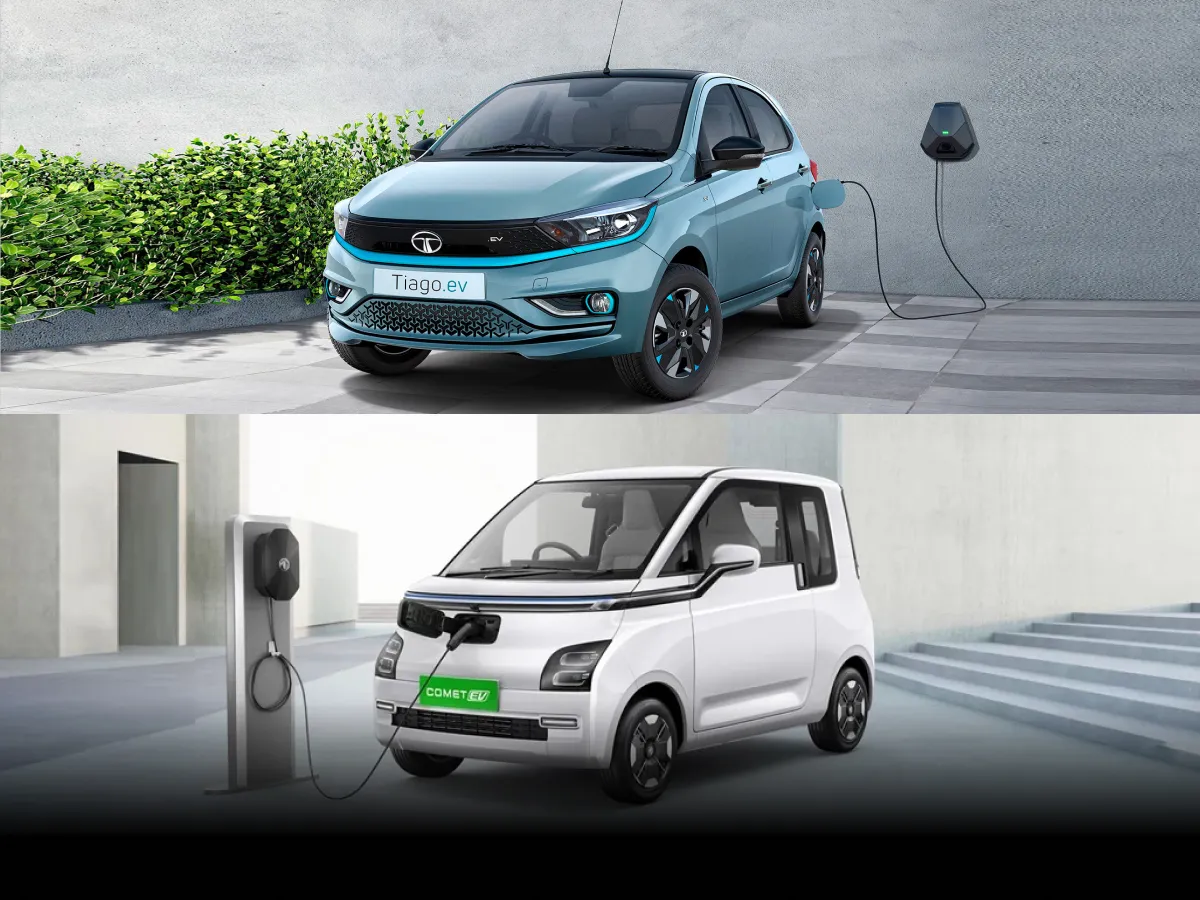
The automotive industry is changing at a steady pace as new technology, consumer expectations, and environmental goals continue to influence vehicle development. I find it interesting to see how manufacturers are adapting to these changes while improving safety, efficiency, and connectivity. Innovation today is not only about building faster vehicles. It is also about creating smarter transportation solutions that meet the needs of modern drivers. Even while reading about different products such as Suonon Vape, I notice how innovation across industries often follows similar patterns of technology adoption and consumer demand.
The Rise of Electric Vehicles
One of the biggest trends driving automotive innovation is the growth of electric vehicles (EVs). Governments, manufacturers, and consumers are paying more attention to reducing emissions and improving energy efficiency.
Key developments in the EV market include:
- Expansion of charging infrastructure
- Longer battery range
- Faster charging technology
- Reduced battery production costs
- Increased availability of EV models
Many automakers are investing heavily in battery research to improve performance and reduce charging times. As charging networks become more accessible, EV ownership becomes more practical for everyday drivers.
The transition toward electric transportation is also encouraging innovation in manufacturing processes. Companies are redesigning production lines and developing new materials that support lightweight vehicle construction and better energy efficiency.
How Connected Vehicle Technology Is Changing Driving
Modern vehicles are becoming more connected than ever before. Advanced software systems now allow vehicles to communicate with drivers, smartphones, and even infrastructure.
Some common connected vehicle features include:
- Real-time navigation updates
- Remote vehicle monitoring
- Smartphone integration
- Over-the-air software updates
- Predictive maintenance alerts
These technologies help improve convenience while also supporting safety and efficiency. Drivers can receive updates about traffic conditions, vehicle performance, and maintenance requirements without visiting a service center.
In the middle of these discussions about innovation, products such as Suonon Donete 50K demonstrate how technology-focused design is influencing many consumer industries. The focus on user experience, reliability, and advanced features can be seen across multiple markets, including automotive technology.
Advanced Safety Systems and Automation
Safety remains one of the most important priorities in vehicle development. Manufacturers continue to introduce technologies designed to reduce accidents and improve driver awareness.
Growth of Driver Assistance Features
Advanced Driver Assistance Systems (ADAS) are becoming increasingly common in both premium and mainstream vehicles.
Popular ADAS technologies include:
- Automatic emergency braking
- Lane departure warnings
- Adaptive cruise control
- Blind spot monitoring
- Parking assistance systems
These systems use cameras, radar sensors, and software algorithms to monitor road conditions and assist drivers in making safer decisions.
Although fully autonomous vehicles are still being developed, many of the technologies required for self-driving capabilities are already available in today's vehicles. Each improvement brings the industry closer to higher levels of vehicle automation.
Sustainable Manufacturing and Smart Production
Another major trend shaping automotive innovation is sustainability. Vehicle manufacturers are looking beyond the finished product and focusing on the entire production process.
Important sustainability initiatives include:
- Use of recycled materials
- Reduction of manufacturing waste
- Renewable energy in production facilities
- Improved supply chain efficiency
- Development of eco-friendly materials
Factories are becoming smarter through automation and data analytics. Artificial intelligence helps manufacturers monitor production quality, predict maintenance needs, and improve operational efficiency.
Digital technologies also allow companies to respond more quickly to market demands. Data collected throughout the production cycle supports better decision-making and resource management.
The combination of automation and sustainability helps manufacturers remain competitive while meeting environmental expectations.
The Future of Automotive Innovation
The future of the automotive industry will likely be shaped by the continued development of electric mobility, connectivity, automation, and sustainable production methods. Consumers increasingly expect vehicles to offer more than transportation. They want convenience, efficiency, safety, and digital integration.
Several trends are expected to remain important:
- Continued investment in battery technology
- Expansion of charging networks
- Growth of software-defined vehicles
- Increased vehicle connectivity
- Improved autonomous driving capabilities
- Greater focus on sustainability
Automakers that successfully combine these elements will be better positioned to meet changing market demands.
As I look at the direction of the industry, it is clear that innovation is no longer limited to engine performance alone. Software, data, energy management, and sustainability are becoming equally important. Similar to how technology-driven products such as Suonon Amber 80k Puffs Kit focus on delivering advanced user experiences, automotive manufacturers are using innovation to create smarter and more efficient vehicles for the future.
Conclusion
Today's automotive industry is being transformed by several powerful trends. Electric vehicles are changing how energy is used, connected technologies are improving convenience, advanced safety systems are supporting drivers, and sustainable manufacturing is reshaping production methods.
I believe these innovations will continue to influence the future of transportation for years to come. As technology advances and consumer expectations evolve, the automotive sector will remain focused on creating vehicles that are safer, more efficient, and better connected. The companies that successfully adapt to these trends will help define the next generation of mobility.