What It Takes for PCB Assembly Services to Hit a Quick-Turn Deadline
38 Views
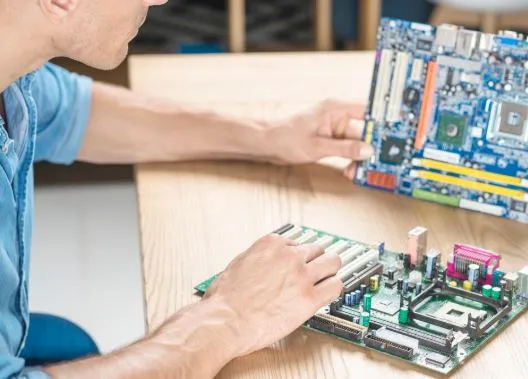
A quick-turn build sounds simple on a quote: send the files, get boards back in a few days. In practice, hitting a short deadline depends on dozens of decisions made before the first component reaches the pick-and-place machine. Engineers who understand what drives turnaround can plan their releases better and choose PCB assembly services that match the schedule they actually have.
Complete Data Packages Save the Most Time
The fastest builds start with complete, consistent files. Missing reference designators, outdated bills of materials, and assembly drawings that disagree with the Gerbers all stop a job before it starts. Each question sent back to the customer can cost half a day.
A build-ready package typically includes:
● A bill of materials with manufacturer part numbers, quantities, and approved alternates
● Gerber or ODB++ files that match the current board revision
● Centroid data for automated placement
● An assembly drawing showing polarity, special instructions, and any do-not-populate parts
● Clear notes on quantity, required turn time, and inspection or test expectations
When these files agree with each other, the assembly team can move straight into programming and kitting.
Parts Availability Sets the Real Start Date
A board cannot be built until every component is on hand. Turnkey builds, where the assembler buys the parts, depend on how quickly the purchasing team can source them and how well it knows the supply base. Consigned builds, where the customer supplies the parts, depend on kits arriving complete and correctly labeled.
Kits with shortages or wrong parts create the most delays. A careful assembler audits consigned materials against the bill of materials before starting, which catches discrepancies while there is still time to fix them. Approving alternates in advance also helps, since a pre-cleared substitute avoids a long approval loop when a part goes out of stock.
Capacity and Scheduling Behind the Scenes
Short deadlines also depend on how a factory runs. A PCB assembly manufacturer with multiple surface mount lines can dedicate a line to an urgent job without stalling other customers. Multiple shifts keep work moving overnight instead of pausing until morning. Programmable, adaptable equipment reduces setup time between jobs, which matters most for small prototype quantities where setup can take longer than placement.
Coordination ties it together. Communication speed matters as well. A supplier that answers engineering questions within hours instead of days keeps a tight schedule intact. Engineers should know exactly who to call when a question comes up during an active quick-turn build.
Inspection Should Not Be the Shortcut
Speed means nothing if boards fail later. Rushed builds are exactly where inspection shortcuts cause trouble, so strong assemblers keep their full quality process in place regardless of the deadline. Automated optical inspection catches placement and solder defects on visible joints. X-ray inspection verifies solder connections hidden under ball grid arrays and other bottom-terminated parts.
For quick-turn prototypes, first article inspection is especially useful. Checking the first assembled board against the drawing and bill of materials before running the rest of the lot catches systematic errors, such as a reversed polarity or a wrong part value, before they repeat across every board. A quick-turn process that skips these steps just moves the delay downstream to the debug bench.
What Engineers Can Do to Speed Things Up
Engineers can shorten turnaround on their side too. Freeze the design before requesting a quote. Confirm long-lead parts early. Share the real deadline and explain what drives it, so the assembler can plan around it. When comparing PCB assembly services, look past the advertised turnaround time and ask how the supplier achieves it. A PCB assembly manufacturer that can explain its kitting process, line capacity, shift coverage, and inspection steps is far more likely to meet a deadline than one that simply promises speed.
MJS Designs, Inc. is committed to providing the best in quick-turn PCB assembly. A production coordinator oversees every project, multiple shifts keep builds moving, consigned kits get audited before work begins, and every assembly receives visual and 3D X-ray inspection. With MJS Designs, you can trust that you are working with a top PCB assembly partner that gets reliable, accurate boards to you on schedule.