What Levels Of Radon Are Considered Dangerous?
By john smit
74 Views
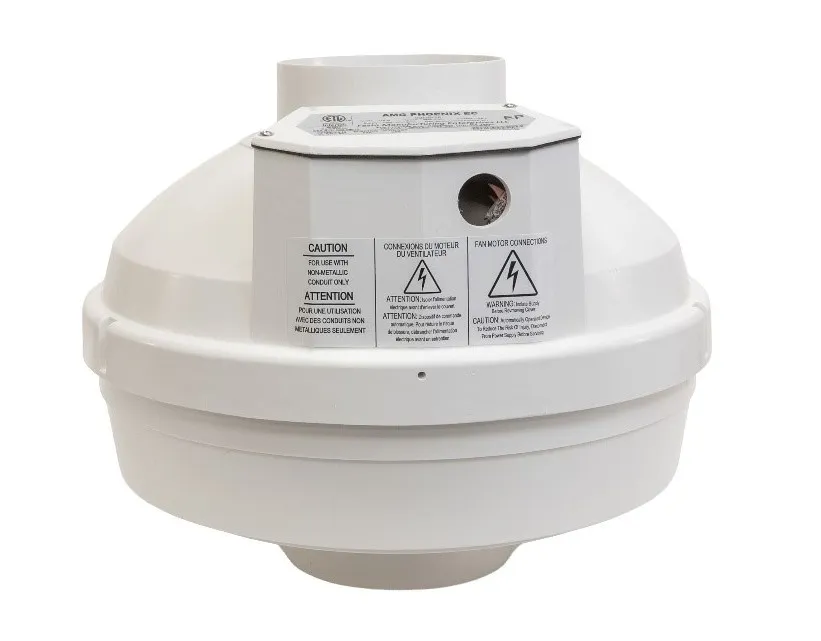
Radon is an invisible threat that can build up inside homes without any obvious warning signs. Many homeowners are surprised to learn that this naturally occurring gas can reach harmful levels indoors and increase serious health risks over time. Understanding safe and unsafe radon levels is essential for protecting your household. While discussing indoor air safety, terms such as Diamond muffler radon often appear in conversations about testing, monitoring, and reducing exposure to this dangerous gas.
Understanding What Radon Is
Radon is a radioactive gas that forms naturally when uranium breaks down in soil, rock, and water. Because it is colorless, odorless, and tasteless, people cannot detect it without specialized testing equipment.
The gas can enter buildings through cracks in foundations, gaps around pipes, crawl spaces, and other openings. Once inside, it may become trapped and accumulate to levels that pose health concerns.
Radon is found throughout the United States. Some regions have higher concentrations than others, but elevated levels can occur in almost any home regardless of location.
Why Radon Exposure Is Dangerous
When radon gas is inhaled, radioactive particles can become lodged in the lungs. Over time, these particles release radiation that damages lung tissue.
Long-term exposure significantly increases the risk of developing lung cancer. According to health authorities, radon is one of the leading causes of lung cancer among non-smokers.
The risk becomes even greater for smokers because the combined effects of tobacco smoke and radon exposure can dramatically increase the likelihood of lung disease.
How Radon Affects Health Over Time
Health effects from radon exposure do not appear immediately. People can live in homes with elevated radon levels for years before symptoms develop.
Common concerns associated with prolonged exposure include:
- Increased risk of lung cancer
- Damage to lung tissue
- Greater health risks for children and older adults
- Elevated risk for smokers and former smokers
Because symptoms may not appear until serious damage has occurred, prevention and testing remain critical.
Measuring Radon Levels
Radon concentrations are measured in picocuries per liter of air (pCi/L) in the United States.
This measurement indicates how much radioactive material is present in the air inside a building. Testing devices analyze indoor air and provide readings that help determine whether action is necessary.
Results can vary from room to room and season to season. Therefore, regular testing provides the most accurate understanding of exposure risks.
Common Radon Measurement Categories
Radon levels are generally interpreted as follows:
- Below 2.0 pCi/L – Low risk
- Between 2.0 and 3.9 pCi/L – Moderate concern
- 4.0 pCi/L and above – Action recommended
- Above 8.0 pCi/L – High concern
- Above 20.0 pCi/L – Very high concern requiring prompt attention
Even lower readings may still present some risk because no amount of radon exposure is considered completely safe.
What Radon Level Is Considered Dangerous?
Health experts generally recommend taking action when indoor radon levels reach 4.0 pCi/L or higher.
This level serves as the official action threshold for many testing and mitigation programs across the United States. However, many professionals encourage homeowners to consider mitigation even when readings fall between 2.0 and 4.0 pCi/L.
The higher the radon concentration, the greater the potential health risk. Therefore, reducing exposure whenever possible is a wise decision.
Levels Below 2.0 pCi/L
Homes with readings below 2.0 pCi/L are considered relatively low risk.
Although these levels are generally acceptable, homeowners should continue periodic testing because radon concentrations can change over time.
Levels Between 2.0 And 4.0 pCi/L
These readings are not considered emergencies, but they deserve attention.
Homeowners may choose to improve ventilation, monitor conditions regularly, or install mitigation systems to reduce long-term exposure.
Levels Above 4.0 pCi/L
Once levels exceed 4.0 pCi/L, mitigation is strongly recommended.
At this point, the health risks become significant enough that reducing indoor radon should become a priority.
Extremely High Levels
Some homes test above 10.0, 20.0, or even 50.0 pCi/L.
These situations require prompt action because prolonged exposure can substantially increase health risks. Professional mitigation systems can often reduce these levels effectively.
Factors That Influence Indoor Radon Levels
Several conditions can affect how much radon enters and accumulates inside a building.
Soil Composition
Areas with uranium-rich soil often experience higher radon concentrations.
However, neighboring homes can still have very different readings because soil conditions vary considerably.
Foundation Type
Certain foundation styles may allow more radon entry.
Examples include:
- Basements
- Crawl spaces
- Slab foundations with cracks
- Older foundations with structural gaps
Openings provide pathways through which radon can enter living spaces.
Ventilation
Poor airflow can allow radon to accumulate indoors.
Homes that remain tightly sealed for energy efficiency may experience elevated concentrations if proper ventilation systems are not in place.
Seasonal Changes
Radon levels often increase during colder months when windows remain closed and indoor air circulation decreases.
For this reason, testing during different seasons can provide a more complete picture of exposure.
How To Test For Radon
Testing is the only reliable way to determine radon levels.
Many homeowners use affordable testing kits, while others prefer professional inspections for more detailed results.
Short-Term Testing
Short-term tests usually remain in place for a few days.
These tests provide quick results and help identify whether further investigation is necessary.
Long-Term Testing
Long-term tests remain in place for several months.
Because they measure conditions over an extended period, they often provide a more accurate representation of average radon exposure.
Professional Testing Services
Professional inspectors use specialized equipment to evaluate indoor air quality.
These services may offer detailed reports and recommendations for addressing elevated muffler radon concerns and other indoor environmental issues.
How Radon Mitigation Systems Reduce Risk
If testing reveals dangerous levels, mitigation systems can significantly lower indoor radon concentrations.
Most systems work by drawing radon gas from beneath the home and venting it safely outdoors.
Active Soil Depressurization
This is one of the most effective mitigation methods.
A fan and pipe system creates suction beneath the foundation, preventing radon from entering indoor spaces.
Sealing Entry Points
Cracks and openings can be sealed to reduce radon infiltration.
While sealing alone may not solve severe problems, it can support other mitigation strategies.
Improved Ventilation
Increasing airflow helps reduce radon accumulation.
Ventilation upgrades are often used alongside other mitigation techniques for better results.
Practical Tips For Homeowners
Protecting your household from radon does not have to be complicated.
Consider these practical steps:
- Test your home every few years
- Retest after major renovations
- Monitor basement and crawl space areas
- Install mitigation systems if needed
- Maintain proper ventilation
- Review test results carefully
- Consult qualified professionals when levels are elevated
Taking these actions can greatly reduce long-term health risks.
Why Regular Monitoring Matters
Radon levels can change unexpectedly due to weather patterns, construction activity, and structural changes within a home.
A property that previously showed acceptable readings may develop elevated levels later. Regular monitoring helps homeowners identify issues before they become serious.
Consistent testing also provides peace of mind and ensures that mitigation systems continue operating effectively.
Common Misconceptions About Radon
Many people misunderstand how radon behaves and how dangerous it can become.
Some believe newer homes cannot have radon problems. In reality, both old and new homes may experience elevated concentrations.
Others assume that only homes in certain regions require testing. Yet radon has been detected in every state, making testing important regardless of location.
Another misconception is that visible signs indicate a problem. Since radon cannot be seen, smelled, or tasted, testing remains the only dependable method of detection.
The Importance Of Early Action
Addressing elevated radon levels early helps reduce long-term exposure and health risks.
Mitigation systems are often highly effective and can lower concentrations significantly. The sooner a problem is identified, the sooner homeowners can create a safer indoor environment.
Waiting years before taking action may increase cumulative exposure, making prompt testing and mitigation worthwhile investments in health and safety.
Conclusion
Radon is a serious indoor air quality concern that deserves attention from every homeowner. Although no level of exposure is completely risk-free, readings of 4.0 pCi/L or higher are generally considered dangerous enough to require mitigation. Regular testing, proper monitoring, and effective reduction strategies can dramatically lower exposure and improve household safety. Because radon cannot be detected without testing, proactive action remains the best defense. By understanding the risks, recognizing dangerous levels, and responding quickly when problems arise, homeowners can protect their families and maintain healthier living environments for years to come.