What Should You Know Before Booking the Langtang Valley Trek
By Andrew alex
143 Views
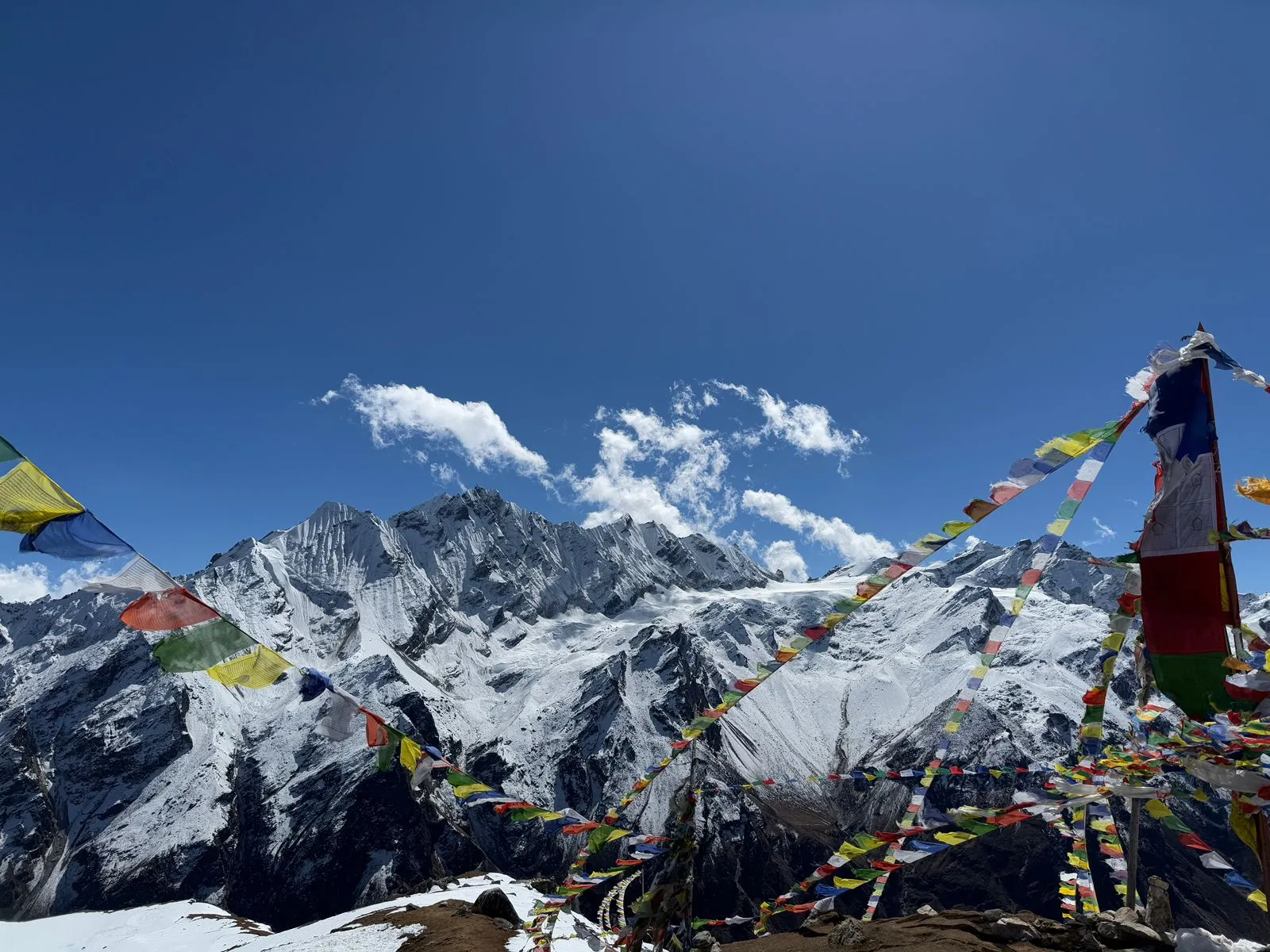
Before hitting the Langtang Valley trail, know what kind of ground you’ll step on, which papers are required, where nights will be spent, yet grasp just how demanding each day feels. Out of Kathmandu, this route offers a gentler climb into high altitudes, still slipping beyond village reach, hidden within the raw stretch of Langtang National Park. Knowing key details early helps walkers adjust smoothly, lessening surprises while shaping something deeper, slower, and more rooted in place.
Entry Permit Rules
Before setting off, understand what documents are needed for Langtang Valley. Entry requires a permit because the region is protected. As you hike, park stations may ask to see it - this helps monitor foot traffic and protect wildlife. Often, travelers hire guides who handle the paperwork; however, individuals must still hold proper authorization. Progress stops if officials request proof and none is present.
Trek Difficulty and Physical Prep
Some folks handle the Langtang Valley trail without much trouble; still, good fitness eases the load. Moving toward Kyanjin Gompa brings long hours walking uphill, elevation creeping higher with each step. Inside Langtang National Park, trails grow bumpy - certain sections test your footing. Strength counts more than past trips, so prior hikes or endurance training show results later. Being aware of personal boundaries early affects how well you adapt on the move.
Best Seasons for Trekking
Clouds tend to sit still when most hikers feel steady on their feet. Just ahead of busy season, spring wakes up the land below. Crisp breezes move through in the fall, and skies stretch far beyond sharp mountain edges. Cold arrives fast during winter, quiet covers everything, and trails vanish beneath thick snow. When monsoon rolls in, shapes fade into fog, wet ground shifts without warning beneath each step. Later light changes the view, affects your pace on paths. From September through November, breezes tend to quiet down when skies stay bright. Steady steps match steady weather.
Where You Stay and What You Eat
Resting spots along the Langtang Valley path usually mean teahouses - basic, but they do the job. Moving higher, closer to Langtang Village, bedding turns stiffer, heat fades, and little luxuries vanish. Past the national park entrance, food arrives on proper plates, even if options dwindle the farther you drift from towns. What lies ahead becomes clearer when details aren’t softened or hidden.
Start of the Trail
Leaving Kathmandu, most hikes kick off with a ride toward Syabrubesi - that’s the real starting point for entering Langtang Valley. Once past the park entrance, road quality shifts dramatically depending on recent storms or the season. When clouds hang low during rainy months or heavy snow piles in winter, travel slows without warning. Bumpy progress becomes normal if the forecast turns wild halfway through. Waiting longer than planned? It happens regularly once the sky decides to change its mind.
Altitude Changes: How the Body Adapts
Up high, your body takes longer to adapt - a key point to remember while organizing things. Heading into Kyanjin Gompa, the trail gains height bit by bit amid thinning air. Within Langtang National Park, going slow reduces the risk of altitude sickness. Even if less intense than certain Himalayan routes, these heights require steady progress. The way you climb shapes how you feel along the journey.
Choose Your Guide and Trek Type
Some folks enter Langtang Valley on their own, no paperwork needed, just boots on dirt. Still, others choose to go with leaders - ease matters, plus there’s peace in knowing another is looking out. As the path unwinds, guide-led travelers find direction more easily, locate places to sleep, and catch local tales from village voices. Inside Langtang National Park, walking beside someone who knows the land cuts danger when trails blur, and skies turn.
Cost and Inclusions
Surprises tend to fade when you clearly understand each part of your journey. On routes into Langtang Valley, most packages handle permits, lodging, meals, and transit without extra cost. Costs change depending on group size or chosen comforts, not fixed across providers. Bottled water often stays outside included items, just like Wi-Fi or personal purchases - small print holds these clues. One package might list a service that vanishes in another nearly identical deal. Details make the difference, especially when options appear similar.
Weather and Trail Conditions
Out of nowhere, the sky shifts, clouds spilling over mountain edges. Darkness drops fast beyond dusk, chill creeping through the route toward Langtang Valley Trek, usually chased by gusts that refuse to ease. Without notice, wetness begins falling, especially common in specific months. Paths within Langtang National Park occasionally shut - earth gives way when the ground turns weak. Underfoot, snow builds in quiet corners, rewriting paths while people sleep. Anyone stepping outside needs to brace for change, not rely on yesterday’s layout.
Conclusion
Starting the Langtang Valley trek? You’ll need permits sorted, an idea of trail difficulty, places to rest at night, timing right, plus ways to get to the beginning. Since it passes through Langtang National Park - a space kept wild - thinking ahead keeps steps smooth later. With honest prep and clear eyes on rough parts, the hills close to Kathmandu offer stillness, depth, and rewards that match each stride taken.