What to Do After a Non-Fault Car Accident: Complete Guide
By continentalcar
5 Views
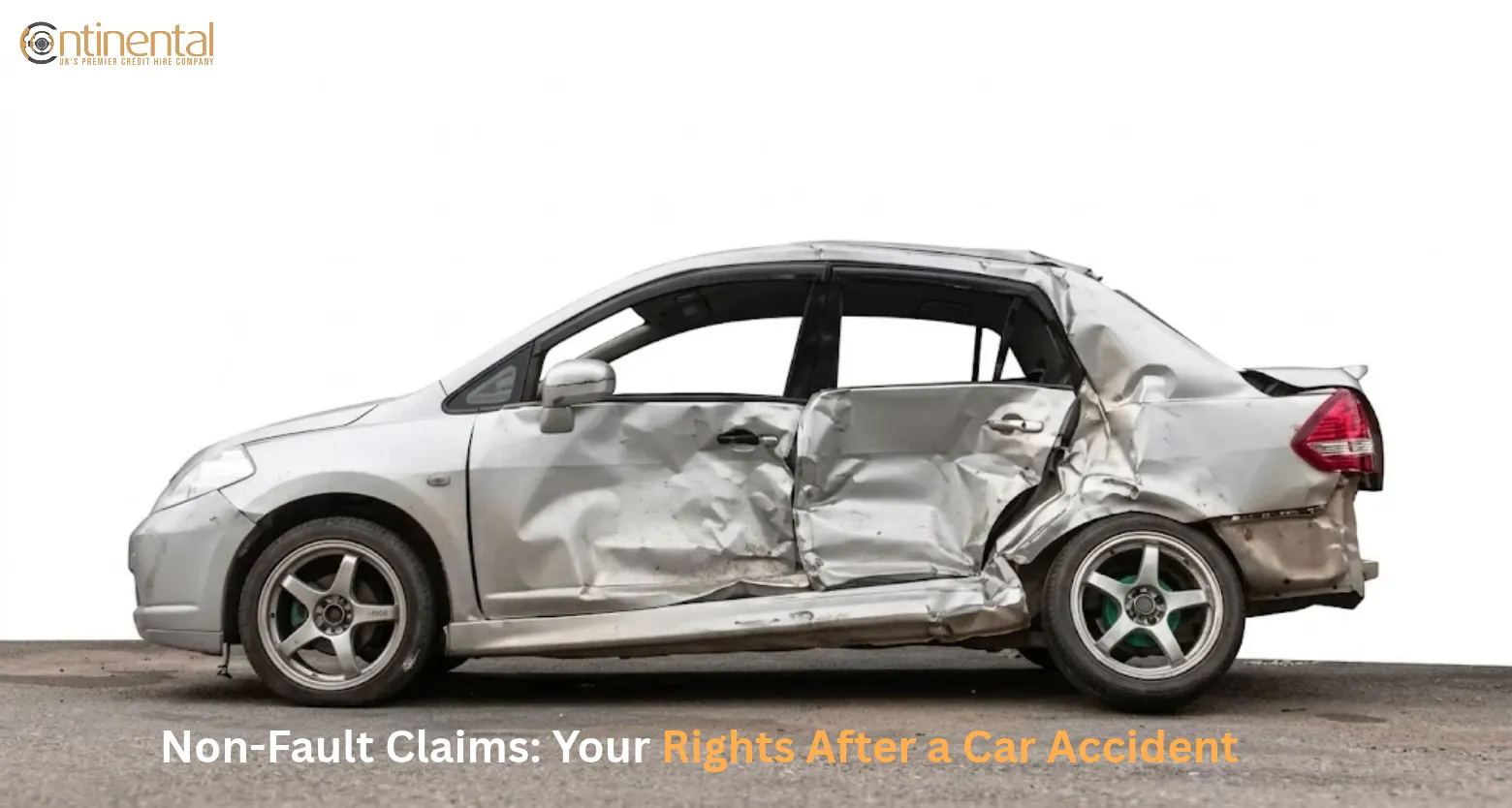
Handling a non-fault car accident correctly is vital to protect your legal rights and ensure you receive the compensation you deserve. If you have been involved in a collision that was not your fault, you may be eligible to start a non-fault accident claim UK immediately. The process involves gathering evidence, notifying your insurer, and understanding how to recover your losses effectively. This guide covers every step you need to take to manage a car accident liability claim with total confidence. Staying calm and following these clear procedures will make the entire recovery process much easier.
1. Safety First: The Immediate Aftermath
Your primary concern must always be the physical safety of yourself and your passengers. Ensure your vehicle is in a safe position and turn on your hazard lights immediately. If anyone feels injured, you must contact emergency services without any further delay for professional help. Once safe, you can start to think about the logistics of your third-party accident compensation. Never admit blame or apologise at the scene, as this can complicate your future claim.
2. Gather Vital Evidence at the Scene
Collecting high-quality information is the most important step for building a strong legal case later. Take clear photos of the damage to all involved vehicles and the surrounding road conditions. Collect contact details from the other driver, including their full name, address, and insurance policy number. If there are any witnesses nearby, ask for their names and telephone numbers for your file. This proactive approach strengthens your car accident liability claim significantly in the eyes of insurers.
3. Reporting the Incident to Your Insurer
You must notify your insurance provider about the incident, even if you are not at fault. Be clear and factual when describing the event, and provide all the evidence you have collected. Many drivers do not realise they can use specialised services to manage their non-fault accident claim UK independently. Check your policy documentation to see if you have legal cover, which can help with your costs. Prompt reporting prevents any potential delays or disputes that might arise with your insurance company later.
4. Understanding Compensation for Your Losses
When you are the innocent party, you are entitled to recover all losses from the other driver. This goes beyond just fixing the bodywork on your vehicle; you can claim various expenses. Typical areas covered under third-party accident compensation include the following items:
- Costs for vehicle repair work or total loss settlement values.
- Medical bills if you suffered any injuries during the road traffic incident.
- Travel expenses incurred while your own car is being repaired at a garage.
- Loss of earnings if you were unable to work due to your injuries.
- Costs for any personal items damaged during the force of the collision.
Comparison of Claims Processes
Feature
Fault Claim
Non-Fault Claim
Excess Payment
You usually pay your excess.
You often reclaim your excess.
No-Claims Bonus
Likely to be affected.
Should remain fully protected.
Costs Recovery
You pay for your own damage.
Recovered from the other party.
Complexity
Generally straightforward.
Requires robust evidence gathering.
5. Dealing with Potential Liability Disputes
Sometimes, the other driver might refuse to accept that they were responsible for the road traffic collision. If this happens, your solicitor will use the evidence you gathered to prove the other party's guilt. This is why having strong witness statements and photos is so essential for a non-fault car accident case. Do not be discouraged if the other insurer initially disputes your account of the accident events. Persistence and high-quality evidence are usually enough to overturn these initial disagreements and win your claim.
6. Keeping Detailed Records of Everything
Start a dedicated folder for every document, receipt, and letter related to your accident and recovery. Keep copies of all medical reports, repair invoices, and travel receipts related to your daily vehicle needs. This organised approach makes it much simpler to prove your financial losses during the final settlement stage. Having a clear paper trail allows your legal team to act faster and more effectively for you. Never throw away any documentation until your car accident liability claim is fully and finally resolved.
Conclusion
Navigating the aftermath of a non-fault car accident can be challenging, but being prepared makes a huge difference. By following these steps, you protect your rights and ensure you receive the proper third-party accident compensation. Remember to stay calm, gather as much evidence as possible, and keep detailed records of every expense. Using professional support can take the stress out of your non-fault accident claim UK process. Take these actions today to move forward with your recovery and get back on the road safely.
FAQs
1. Do I have to pay my insurance excess if the accident wasn't my fault?
You might have to pay it initially, but you can claim it back through a non-fault car accident process. Your solicitor will include this cost in your final settlement demand to the third party's insurer. Always keep your payment receipt as proof of the excess you paid to your own company.
2. How long does the recovery process usually take?
The timeline varies depending on the complexity of your case and the cooperation of the other insurer. A simple non-fault accident claim UK might be settled within a few weeks or months. Complex cases involving injuries or liability disputes can naturally take a longer time to finalise properly.
3. What if I don't have legal cover on my policy?
You can still pursue a car accident liability claim by using a specialist solicitor or an independent management firm. Many of these services offer assistance to ensure you are fully compensated without needing your own legal cover. Shop around to find a professional service that suits your specific situation and needs.
4. Can I claim for a hire car while mine is being fixed?
Yes, you are entitled to a replacement vehicle if your own car is not roadworthy after a non-fault car accident. The cost of this hire is typically recovered from the at-fault driver's insurance company as part of your losses. Make sure you use a vehicle that is similar in size and class to your own car.
5. What is the most important evidence to collect?
Clear photographs of the damage and the road layout are arguably the most critical items to secure. Witness contact details also provide powerful support for any non-fault accident claim UK you decide to bring. Always prioritise safety before you start collecting any of this information at the roadside.
6. Should I accept the first settlement offer from an insurer?
You should always seek professional advice before accepting any offer for your third-party accident compensation claim. Initial offers from the other party's insurer are often much lower than what you are actually entitled to receive. A solicitor can assess if the amount fairly covers all your financial and personal losses.
7. Can I claim for "pain and suffering" after a crash?
Yes, you can include compensation for physical or emotional distress in your car accident liability claim settlement. This is known as general damages and is based on medical reports regarding your injuries. Ensure you visit a doctor immediately after the crash to document any pain or discomfort felt.
8. Is it possible to lose my no-claims bonus?
In a clear non-fault car accident, your no-claims bonus should remain protected by your insurer. However, you must inform them immediately so they can update their records correctly to reflect the situation. Always check your specific policy wording to be certain about your bonus protection levels.
9. What if the other driver was uninsured?
You can still pursue a claim through special industry schemes designed to handle these specific types of cases. A qualified solicitor can guide you through the process of filing a non-fault accident claim UK against the responsible party. You will still be eligible for compensation even if the other driver lacks their own insurance.
10. Do I need to use the garage recommended by my insurer?
You have the right to choose your own repairer to fix your vehicle after a non-fault car accident occurs. While insurers often suggest their approved garages, you are not strictly obliged to use them for your vehicle repairs. Always check the quality of the garage before you agree to send your car for any work.