What to Expect from a Professional Pool Cleaning Service in Fort Worth
By Leo Smith
43 Views
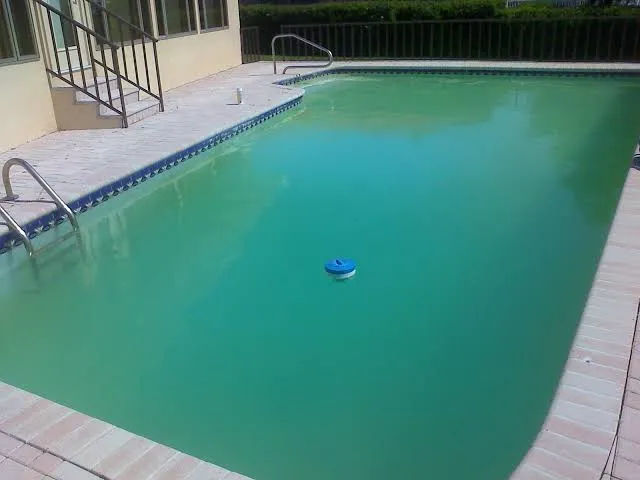
A swimming pool can be one of the most enjoyable features of a home, but keeping it clean and properly maintained requires consistent effort. Leaves, dust, dirt, insects, and changing weather conditions can quickly affect water quality and the appearance of the pool. A professional pool cleaning service fort worth provides scheduled maintenance designed to keep the water clear, surfaces clean, and essential equipment working properly. Understanding what professional service includes can help homeowners choose a maintenance plan that fits their property and routine.
Professional pool care is about more than removing visible debris from the water. A complete maintenance visit may involve inspecting water chemistry, cleaning pool surfaces, checking baskets, examining circulation, and identifying early signs of equipment problems. Regular attention can make it easier to address minor concerns before they develop into costly repairs. For Fort Worth homeowners, consistent maintenance can also help the pool remain ready for use during periods of frequent swimming.
Initial Pool Inspection and Assessment
When a professional company begins servicing a pool, the first step may involve evaluating its current condition. Technicians can inspect the water, pool surfaces, filtration components, pumps, skimmer baskets, and surrounding areas to identify existing maintenance concerns. This assessment helps determine how much cleaning is required and whether the pool needs additional treatment. Establishing a clear starting point allows future visits to be based on the pool’s actual condition rather than a standard assumption.
The technician may also consider factors such as pool size, surrounding landscaping, equipment age, and how frequently the pool is used. Pools located near trees may collect more leaves and organic debris, while heavily used pools can experience faster changes in water chemistry. Understanding these conditions helps create a more practical maintenance schedule. A reputable provider should explain noticeable problems and communicate whether additional services are recommended.
Routine Debris Removal and Surface Cleaning
One of the most visible parts of professional pool maintenance is removing debris from the water and surrounding areas. Technicians commonly skim the surface to remove leaves, insects, grass, and other floating material. Depending on the service package, they may also brush pool walls, steps, corners, and other surfaces where dirt or buildup can accumulate. Regular cleaning improves the pool’s appearance while reducing the amount of debris that enters the circulation system.
Vacuuming may also be included when dirt and sediment collect on the pool floor. Allowing debris to remain in the pool for extended periods can make cleaning more difficult and may contribute to water-quality problems. Professional technicians typically use equipment appropriate for the pool and its surfaces. Consistent surface cleaning is particularly useful during seasons when wind and outdoor activity introduce more material into the water.
Water Testing and Chemical Balancing
Proper water chemistry is an essential part of pool maintenance. During a service visit, technicians may test important water characteristics and make appropriate adjustments based on the results. Maintaining suitable sanitizer and pH levels supports cleaner water and helps protect pool surfaces and equipment. Chemical requirements can change because of weather, rainfall, evaporation, swimmer activity, and other environmental factors.
A professional approach focuses on testing the water rather than adding chemicals without measuring current conditions. Technicians can identify whether the water requires adjustment and apply products according to established maintenance procedures. Homeowners should always follow appropriate safety instructions when handling pool chemicals. Professional maintenance can reduce the guesswork involved in routine chemical management and provide a more consistent approach to water care.
Pool Filter Cleaning and Equipment Checks
The filtration system plays a major role in keeping pool water clear because it helps remove suspended particles and contaminants. Over time, filters can become loaded with dirt, reducing their ability to operate efficiently. Depending on the type of filtration system, maintenance may involve backwashing, cleaning, or replacing components according to manufacturer recommendations. A pool filter cleaning service can be particularly useful when routine maintenance does not include detailed filter care.
Professional technicians may also inspect pumps, skimmers, valves, baskets, and other circulation components during scheduled visits. Identifying unusual noises, leaks, weak circulation, or visible wear early can help homeowners address problems before they become more serious. Not every equipment issue requires immediate replacement, so an experienced technician should explain the condition clearly. Regular equipment checks complement cleaning and help support reliable pool operation.
Brushing, Vacuuming, and Algae Prevention
Even when pool water appears clear, buildup can develop on walls, steps, floors, and other surfaces. Brushing helps loosen material before it becomes more difficult to remove, while vacuuming collects sediment and debris from the bottom of the pool. These tasks are especially important in areas that receive limited water movement. A consistent cleaning routine can help maintain a fresher appearance throughout the swimming season.
Algae prevention is another reason to maintain proper circulation, filtration, sanitation, and water balance. If algae becomes established, the pool may require additional treatment beyond ordinary weekly cleaning. Professional technicians can identify early signs of discoloration or buildup and determine whether the routine maintenance plan needs adjustment. Homeowners should be cautious about relying on excessive chemical use as a substitute for proper cleaning and circulation.
Scheduled Maintenance and Service Communication
A professional pool company generally works according to a defined schedule, such as weekly or another frequency appropriate for the property. Regular visits can help prevent maintenance tasks from being forgotten during busy periods. The exact schedule should take into account pool usage, weather exposure, surrounding vegetation, and the condition of the equipment. A service plan should be practical enough to maintain the pool without paying for unnecessary visits.
Communication is equally important because pool maintenance can uncover issues that are not visible during normal use. A technician may notice a damaged component, unusual water loss, circulation concern, or condition requiring additional attention. Homeowners should receive clear information about what was found and whether extra work is recommended. Reliable communication helps property owners make informed decisions instead of being surprised by unexplained services or charges.
Why Professional Pool Maintenance Can Be Valuable
Managing a pool independently can be rewarding, but routine maintenance takes time and requires familiarity with equipment and water chemistry. Professional service provides a structured approach that covers recurring cleaning tasks and helps identify potential concerns. This can be especially useful for homeowners who have demanding schedules or prefer to spend their free time enjoying the pool rather than maintaining it. Professional care can also provide another set of trained eyes on the condition of the pool.
When selecting a pool cleaning service fort worth, homeowners should look beyond the basic promise of clean water. Consider the company’s experience, range of services, communication practices, pricing transparency, and approach to equipment care. Ask what routine visits include and whether services such as filter maintenance or additional treatments cost extra. A provider that clearly explains its process can make it easier to understand what you are paying for and what results to expect.
Making the Most of Professional Pool Cleaning
Professional pool maintenance works best when homeowners and technicians communicate regularly. Share information about unusual water changes, increased pool usage, equipment behavior, or recent storms so the technician can consider these factors during service. It is also helpful to follow recommended maintenance practices between visits, such as keeping the pool area reasonably clear of debris and reporting problems promptly. Small actions between professional visits can support a more consistent maintenance routine.
Ultimately, a professional pool cleaning service can provide much more than basic skimming. From water testing and surface cleaning to equipment inspections and pool filter cleaning service, comprehensive maintenance addresses several factors that influence pool condition. Fort Worth homeowners can benefit from understanding what their service includes and selecting a maintenance schedule appropriate for their pool. With consistent care and clear communication, a professionally maintained pool can remain cleaner, more inviting, and easier to manage throughout the year.