What to Look for in an Air Conditioning Installation Company in Keller, TX
By Thomas Walker
48 Views
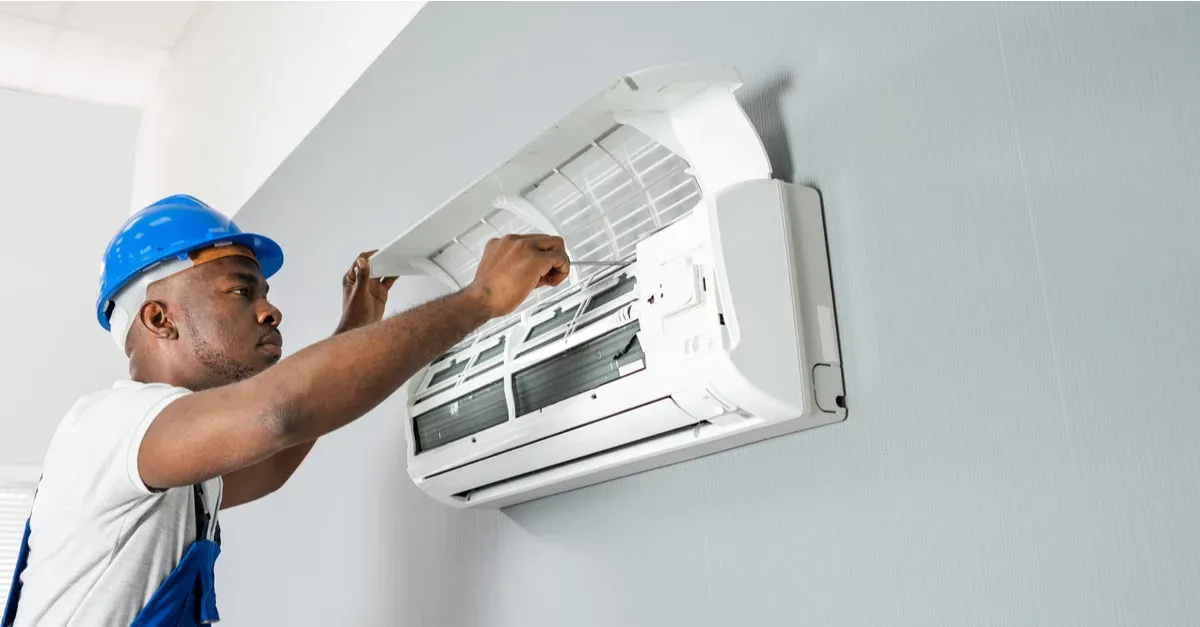
Choosing an air conditioning installation company is an important decision for any Keller homeowner preparing for a new cooling system. Texas summers can place substantial demands on residential HVAC equipment, making proper equipment selection and installation especially important. When researching air conditioning installation keller tx providers, homeowners should look beyond advertising and low introductory prices. Licensing, experience, installation practices, written estimates, warranties, and communication all deserve careful attention. A qualified contractor can evaluate your home's requirements and help you understand which installation options are appropriate.
Verify Licensing and Professional Credentials
One of the first things homeowners should check is whether an HVAC contractor is properly licensed to perform air conditioning work in Texas. The Texas Department of Licensing and Regulation states that contractors who install, repair, or maintain air conditioning and refrigeration systems must have an appropriate ACR license. The state also requires ACR companies to employ an ACR contractor at each permanent location. Verifying these credentials before signing an installation agreement can provide important information about the contractor's qualifications.
It is also useful to ask about the technicians who will actually perform the installation. TDLR explains that people performing non-exempt ACR work must have the appropriate technician designation and work under the supervision of a licensed ACR contractor. Homeowners can ask for license information, technician credentials, and proof of insurance before work begins. A reputable company should be comfortable providing this information rather than treating basic credential questions as an inconvenience.
Look for Experience With Residential AC Installation
Experience matters because installing a new air conditioner involves more than removing an old unit and connecting a replacement. The contractor needs to evaluate the home's cooling requirements, equipment capacity, ductwork, electrical considerations, drainage, controls, and installation location. An experienced professional should understand how these factors work together. Ask how long the company has performed residential installations and whether technicians regularly work with the type of system being considered.
A knowledgeable contractor should also be willing to explain why a particular system is being recommended. Homeowners should be cautious if a salesperson immediately recommends a specific capacity without examining the property. Proper sizing helps the system operate as intended and can influence comfort, humidity control, efficiency, and equipment life. A professional evaluation provides a stronger foundation for choosing equipment than simply selecting the largest available air conditioner.
Ask About Load Calculations and System Sizing
Correct system sizing is one of the most important parts of a new AC installation. An air conditioner that is too large may cool the space quickly but cycle frequently, while an undersized system may struggle to maintain comfortable temperatures during extreme weather. TDLR's consumer guidance specifically recommends that contractors perform a heat-load study when replacing a complete HVAC system. The guidance also notes that bigger is not necessarily better because excessive capacity can affect humidity levels.
Home characteristics can influence the appropriate equipment size, including square footage, insulation, windows, orientation, occupancy, ductwork, and local climate conditions. A professional contractor should consider these factors rather than relying solely on the size of the existing system. Ask whether the company will perform or provide a documented load calculation as part of the installation process. This simple question can reveal whether the contractor is approaching the project systematically.
Examine the Installation Proposal Carefully
Before approving an installation, request a detailed written estimate that explains exactly what the project includes. The proposal should identify the equipment manufacturer and model, system capacity, major installation components, labor, warranty information, and any additional work required. It should also identify important project details such as expected installation timing and payment terms. TDLR recommends written bids and advises consumers to review installation details, equipment information, warranty documentation, and contractor license information.
Avoid making your decision based entirely on the lowest quoted price. Two estimates can look very different even when they appear to cover the same basic equipment. One contractor may include duct modifications, electrical work, drainage improvements, startup testing, or extended warranty coverage while another may charge separately for those services. Comparing complete proposals helps you understand the actual scope of each installation and reduces the likelihood of unexpected costs.
Check Insurance and Warranty Coverage
Insurance is another important consideration when choosing an air conditioning installation company. Texas requires licensed ACR contractors to maintain commercial general liability insurance while their license is active, with minimum coverage requirements depending on the license class. Homeowners can request a certificate of insurance to confirm that the contractor maintains appropriate coverage. This step can provide additional protection during a major HVAC installation.
You should also understand both the manufacturer's equipment warranty and the contractor's workmanship warranty. These are not necessarily the same thing, so ask what each warranty covers and how long it remains valid. Find out whether warranty claims require registration, whether labor is covered, and whether particular maintenance requirements apply. Getting these details in writing makes it easier to understand your responsibilities after installation and what support is available if a covered problem develops.
Ask About Ductwork and Existing System Compatibility
Replacing an outdoor condenser and indoor equipment does not automatically resolve problems elsewhere in the HVAC system. Existing ductwork may have restrictions, leaks, inadequate insulation, or sizing issues that affect the performance of new equipment. TDLR's consumer guidance recommends that contractors perform a ductwork study as part of a complete system replacement and explain whether existing ducts can appropriately be reused.
Homeowners should therefore ask the contractor to inspect the current distribution system before installation begins. If modifications are recommended, ask why they are necessary and how they will affect the overall project. This can help prevent a situation where a new high-quality air conditioner is installed but cannot perform properly because of unresolved ductwork concerns. Addressing compatibility issues during installation may provide a more complete solution than focusing only on the equipment itself.
Compare Communication, References, and Customer Service
Good communication can make a major difference during a significant home improvement project. A reliable contractor should explain the installation process, answer questions clearly, communicate scheduling expectations, and provide documentation when the work is completed. Homeowners can also ask for references from previous customers and review the company's service history before making a decision. TDLR specifically recommends asking contractors for references and checking their physical business address.
After installation, the contractor should provide the equipment documentation and explain basic operation and maintenance requirements. TDLR's consumer guidance recommends that owners receive manuals, installation documentation, applicable certification information, and records of measurements and testing. These materials can be valuable if the system requires future service or if warranty questions arise. A professional installation should leave the homeowner with both functioning equipment and a clear understanding of how it was installed.
Consider Experience Across the DFW Area
Homeowners may also compare contractors serving nearby communities when researching installation companies. People searching for air conditioning installation arlington may be evaluating providers based on similar factors, including licensing, equipment selection, load calculations, installation quality, and warranty support. Geographic service coverage alone does not establish a contractor's qualifications, so the same verification process should be used regardless of the city. Checking credentials and installation practices remains more useful than choosing a provider simply because it advertises across a large service area.
For Keller homeowners, the goal should be to select a contractor that approaches AC installation as a complete system project rather than a simple equipment replacement. Look for proper licensing, documented sizing calculations, careful ductwork evaluation, transparent pricing, appropriate insurance, and clear warranty information. A contractor who communicates these details openly gives you a better basis for understanding the investment. Taking time to compare qualified providers can help ensure your new system is selected and installed according to the specific needs of your home.
Make an Informed AC Installation Decision
A new air conditioner is a substantial investment, so homeowners should evaluate the installation company as carefully as the equipment itself. Before signing a contract, verify licensing, request a detailed written proposal, ask about load calculations, review warranty coverage, and confirm that existing ductwork and electrical requirements have been considered. TDLR advises consumers to obtain more than one bid and not to pay for a job in full before it has been completed.
Ultimately, quality installation begins with careful planning and continues through professional setup, testing, documentation, and customer support. Keller homeowners comparing air conditioning installation keller tx companies can use these factors to ask better questions and evaluate proposals more effectively. Whether you are replacing an aging system or installing air conditioning in a newly constructed home, selecting a properly qualified contractor can help establish reliable cooling for years to come. The right preparation can make the installation process clearer, more predictable, and better suited to the needs of your property.