What Wildlife Is Seen in the Langtang Valley Trek Region of Nepal?
By Rahul Sheikh
166 Views
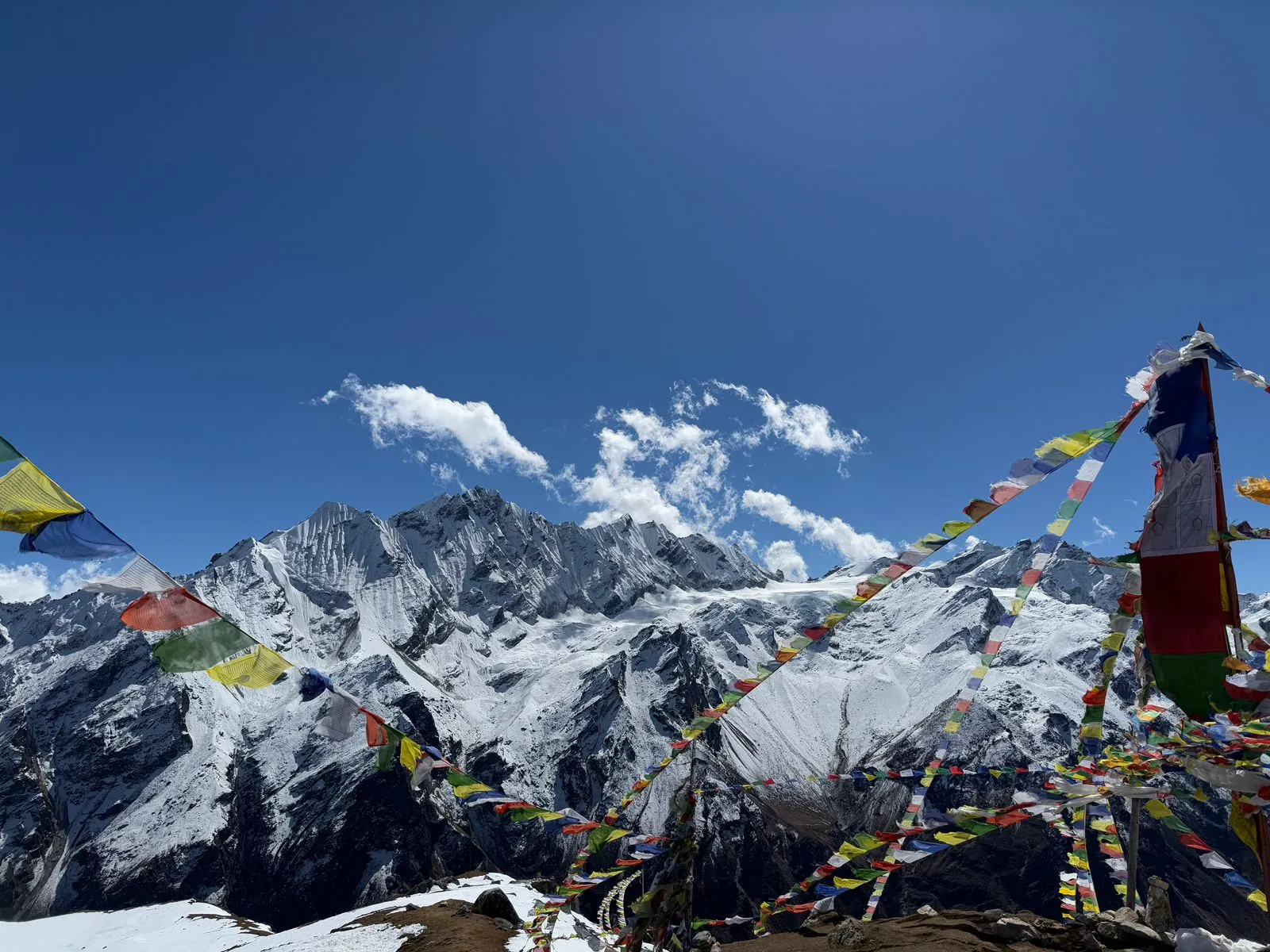
Up above, birds shout from high branches as walkers move through thickets of rhododendron, heads turning at every flicker below. Though out of sight, certain animals leave marks felt more than seen, guiding attention along climbing paths. Where trees thin, wide clearings spread out - marmots leap across stone piles beneath a harsh sun. With each rise in height, clues change: prints pressed into wet ground, far-off cries splitting the air, bits of feather snagged on rough bark.
High up where wind bites hard, snow leopards move unseen, slipping past busy places without notice. Rangers know their trails, walking slowly, listening more than speaking. Life clings on despite icy gusts, low oxygen, skies that turn angry without warning - still it breathes, still it walks. When you stand face-to-face with what grows or runs here, space seems shorter, thoughts sharper. Ancient rhythms hum underfoot, deeper than any trail worn by travelers now.
Mammals of the Langtang Region
Up among the trees in Langtang Valley, animals find cover in the dense green. Hidden there are red pandas - rare, quiet, nearly invisible as they move through knotted bamboo and twisted rhododendrons. In this corner of Nepal, seeing one isn’t possible, even though fortune should line up just right. Silver-flecked black bears wander the hillsides now, after which, even as nimble tahr hold to sheer rock like shadows. Under thick canopies, musk deer go with the flow without sound, every step careful. Above, langurs shift from branch to branch, unhurried. Paths carved by time wind through broken terrain, weaving pockets of shelter together. Forest layers hide routes that connect distant stands of trees.
Birds Spotted Along the Trail
Out there, watching birds slips into your days during the Langtang Valley Trek. Thick forests hum with Himalayan wings - pheasants burst upward, eagles turn slow loops overhead, but tiny bright songbirds dart amongst twigs. Deep beneath leafy cowl, a flash of shade will be Danphe, the Impeyan pheasant, called Nepal's countrywide bird. Elsewhere, monals tread quietly, snow pigeons murmur low notes, alongside various vultures and sharp-eyed raptors. At forest edges where open slopes rise, two worlds blend; such mix lets countless species find their place.
Animals in Lowland Woods
Beneath the taller ridges, trees crowd near the path leading from Syabrubesi to Lama Hotel. Close-knit trunks offer shelter where monkeys and wild pigs dig up food. Under layers of leaf litter and tangled sticks, tiny bodies slip between damp roots. Morning fog holds tight, softening edges so motion stands out in dim clearings. Pausing now makes faint rustles beyond the dirt track more visible.
Alpine Animals in High Mountain Areas
Up high, beyond the lower paths, ridges grow jagged, and fields turn frosty. As you climb closer to Kyanjin Gompa, breathing gets harder, and the ground turns rougher. Only animals built for cold claim these zones - others fade out. Along steep cliffs, Himalayan tahr nibble thin patches of green, balanced on tiny edges. From between rocks, blue sheep appear still, almost hidden until they shift. Out past where ice begins to slip downhill, creatures tough enough to breathe less air manage just fine. Dawn light uncovers them on bare slopes, their shapes stretched across melting snowfields.
Rare and Endangered Species
In Nepal’s wild reserves, Langtang holds a quiet distinction - home to beings nearly gone. Not often seen, red pandas vanish into the brush, small and cautious, breathing just beyond reach. High where trees stop growing, snow leopards pass without sound, leaving only faint marks on stone. Their presence, thin but real, ties this valley to something larger - a pulse within Nepal’s struggle against vanishing lives.
Langtang National Park Natural Environment
Up in the peaks, Langtang National Park gives wild animals a home they’ve always known. As lowland heat climbs into icy heights, different forms of life appear where you least expect. With shifts in weather happening fast over short distances, each species stumbles upon its own fit. When nature moves freely, untouched by outside push, harmony holds without effort here. Rare beasts stand a better chance simply because this ground remains guarded year after year.
Seasons Change When Animals Appear
In spring and fall, the sky opens up. Travelers spot birds and animals better when things are active. Movement picks up as temperatures rise. Winter sends some mammals lower down. Cold pushes them toward warmer spots. Rain changes everything - leaves grow heavy, covering trails and silencing sounds. Life slips behind walls of green. Yet each season holds something unseen. Moments appear where none were expected.
People and Animals Cross Paths on Mountain Trails
Among these peaks, paths slip near clusters of Himalayan tahr without causing alarm - ranger work keeps things steady. Close by, mountain villages hold forest watches, living close to earth, routines passed down. When walkers stay on signed routes, creatures roam open stretches beneath icy high rims. Steps along dirt change with months, flowing beside the animal moves instead of cutting across. Signs nailed at entry spots last long - not only obeyed by travelers but lived by residents too.
Conclusion
Tucked between green hills, paths in Langtang Valley twist past places where red pandas slip behind clumps of bamboo. Above, on steep stone edges beneath a wide sky, Himalayan tahr stand steady without effort. As morning light grows, bird cries bounce across valleys - pheasants show sudden color beside icy water runs.
With each step upward, living things reshape themselves, quietly adapting. Around corners, wilderness appears - not loud, never hurried, just there. Here, mountains breathe like neighbors. What you see ties into how things move underfoot. Not scenery set apart, instead it shows up in steps taken, roots found. This land lives alongside those who walk it.