What's Included in a Standard Swimming Pool Weekly Service?
By Leo Smith
53 Views
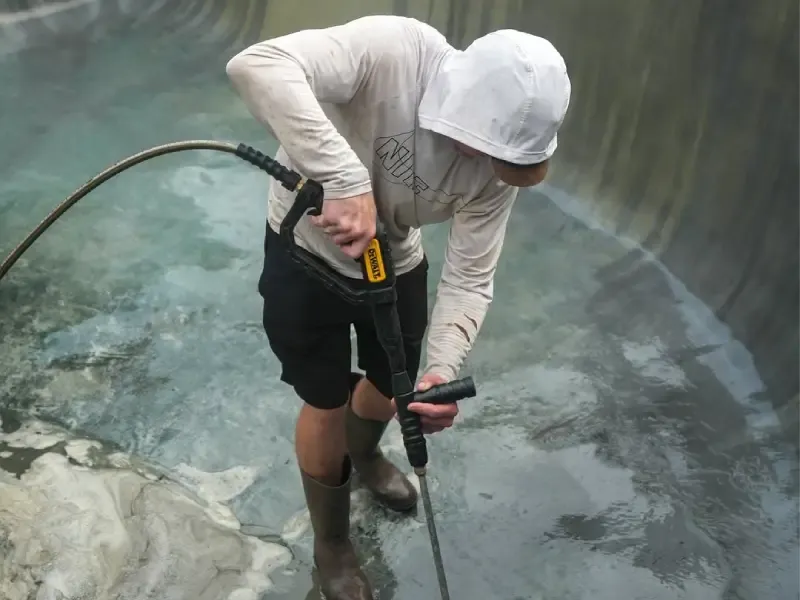
A swimming pool requires regular attention to remain clean, balanced, and ready for use. Leaves, dust, insects, changing weather, and frequent swimming can quickly affect water quality and pool surfaces. A swimming pool weekly service provides a consistent maintenance routine that addresses these concerns before they become larger problems. Understanding what a standard service includes can help homeowners choose an appropriate maintenance plan and know what to expect from professional pool care.
Regular Pool Surface Cleaning
One of the most common tasks included in weekly pool maintenance is removing visible debris from the water and surrounding areas. Technicians typically skim leaves, insects, grass, and other floating materials from the pool surface during scheduled visits. This prevents organic debris from remaining in the water and reduces the amount of material that eventually reaches the filtration system. Regular surface cleaning also keeps the pool looking cleaner between service appointments.
Professional technicians may also brush the walls, steps, corners, and other pool surfaces where dirt or early buildup can accumulate. Brushing helps loosen particles that cannot be removed through surface skimming alone. Depending on the pool's condition, vacuuming may also be performed to collect debris that has settled on the bottom. These routine cleaning tasks form an important foundation of effective weekly pool maintenance.
Water Testing and Chemical Balancing
Water chemistry is another essential part of a standard weekly service. Technicians generally test relevant water conditions and make adjustments when readings are outside the appropriate range. Factors such as sanitizer levels, pH, alkalinity, and water hardness can influence clarity, swimmer comfort, and the condition of pool surfaces. Regular testing helps ensure that chemical decisions are based on the actual condition of the water.
Pool chemistry can change because of rainfall, evaporation, heat, heavy swimming activity, and environmental debris. A professional technician can recognize these changes and determine what adjustments are appropriate. Chemical treatments should be handled carefully because excessive or insufficient amounts may create their own problems. Routine professional testing provides a more consistent approach than waiting until cloudy water or algae becomes visible.
Skimmer and Pump Basket Maintenance
Skimmer baskets and pump baskets collect leaves, insects, and other debris before those materials move deeper into the circulation system. When baskets become overloaded, water flow can be restricted and the circulation system may not operate as efficiently. Weekly maintenance often includes checking and emptying these baskets as necessary. Keeping them clear supports proper circulation and helps the filtration system perform its intended function.
Technicians can also observe whether water is moving through the system as expected during routine service. Changes in circulation, unusual sounds, or visible damage may indicate that additional inspection is needed. These simple checks can provide useful early warning signs before a minor maintenance issue becomes more disruptive. Homeowners should be informed when technicians notice conditions that require further professional attention.
Pool Filter Inspection and Maintenance
The filter is responsible for removing many suspended particles from the water, making its condition an important part of overall pool cleanliness. During regular service, technicians may inspect filter pressure and determine whether the filter requires cleaning based on its type and condition. Filter maintenance is not necessarily performed during every weekly visit, but routine inspection helps identify when it becomes necessary. A properly maintained filter supports effective circulation and water clarity.
Different filtration systems require different maintenance procedures, so professional technicians should follow the manufacturer's recommended approach for the equipment installed. Sand, cartridge, and diatomaceous earth filters have different cleaning requirements and operating characteristics. Regular observation allows technicians to notice pressure changes or other signs that may indicate restricted filtration. Including filter checks within a broader weekly maintenance routine helps homeowners avoid overlooking this important component.
Brushing and Vacuuming the Pool
Although surface skimming removes floating debris, particles can still settle along the bottom of the pool or attach to walls and other surfaces. Brushing helps loosen this material so that it can be removed through vacuuming or filtration. Vacuuming then collects debris that has settled on the pool floor. Together, these tasks provide a deeper level of cleaning than surface maintenance alone.
The frequency of brushing and vacuuming may vary depending on pool usage, surrounding landscaping, weather, and visible debris. A pool surrounded by trees, for example, may collect considerably more organic material than one in a relatively open area. Professional technicians can adjust cleaning efforts according to the pool's actual condition. This flexible approach helps ensure that routine service remains useful rather than following an unsuitable one-size-fits-all process.
Checking Water Levels and Visible Equipment
Water level can influence skimmer performance, circulation, and the overall operation of the pool system. During a weekly visit, technicians can observe whether the water level appears appropriate and identify unusual changes that may require attention. Significant water loss can sometimes be associated with evaporation, splashing, leaks, or other conditions. While routine service does not replace a dedicated leak inspection, unusual water levels should not be ignored.
Technicians may also visually inspect accessible equipment for obvious concerns such as leaks, damaged components, unusual wear, or signs of poor operation. Early identification does not always mean that a repair is immediately necessary, but it provides homeowners with useful information. A professional should explain any concern clearly and recommend additional inspection when appropriate. This communication helps homeowners make informed decisions about the condition of their pool equipment.
What Weekly Pool Cleaning Packages May Include
A basic package may cover skimming, brushing, vacuuming, basket cleaning, and water testing, while a more comprehensive option may include additional equipment inspections or periodic filter maintenance. Weekly pool cleaning packages can vary significantly between providers, so homeowners should review exactly what is included before choosing a plan. Some services may offer specialized cleaning separately rather than including it in the standard weekly visit. Understanding these differences makes it easier to compare maintenance plans based on actual services.
It is also important to ask how the company handles additional maintenance needs. Algae treatment, heavy debris removal, filter cleaning, tile cleaning, equipment repairs, and recovery after severe weather may involve separate charges. A transparent provider should explain these costs before performing substantial additional work. Clear package details help homeowners avoid misunderstandings and ensure that the selected plan matches the level of care their pool requires.
Why Consistent Weekly Maintenance Matters
A standard weekly service is designed to prevent routine pool problems from building up between visits. Regular cleaning removes debris, water testing identifies chemical changes, and equipment checks can reveal developing concerns. These tasks work together to support clearer water and better overall pool condition. Consistency is especially valuable because waiting until a pool looks dirty may allow underlying issues to become more difficult to manage.
Homeowners can also support professional maintenance by monitoring the pool between visits. Unusual water color, excessive debris, visible leaks, reduced circulation, or equipment noises should be reported rather than ignored. Professional service is most effective when technicians receive timely information about changes in the pool. Combining regular weekly maintenance with responsible homeowner observation creates a practical strategy for long-term pool care.
Choosing the Right Weekly Service
When comparing swimming pool weekly service options, homeowners should focus on the quality and scope of the maintenance rather than simply choosing the lowest advertised price. Ask whether water chemistry, skimming, brushing, vacuuming, basket cleaning, equipment checks, and filter inspections are included. It is also useful to understand which services require an additional fee. A detailed explanation of the maintenance process makes it easier to select a plan that suits the pool's specific requirements.
The right service should provide consistent care while communicating clearly about any concerns discovered during routine visits. Weekly maintenance is not simply about making the water look attractive; it is about supporting water quality, cleanliness, circulation, filtration, and the long-term condition of the pool. By carefully reviewing weekly pool cleaning packages and understanding their included services, homeowners can establish a maintenance routine that keeps their pool more manageable, clean, and enjoyable throughout the year.