Why 2026 Is the Year Everyone’s Getting Their Jewellery and Art Properly Valued
By Michel Wilson
11 Views
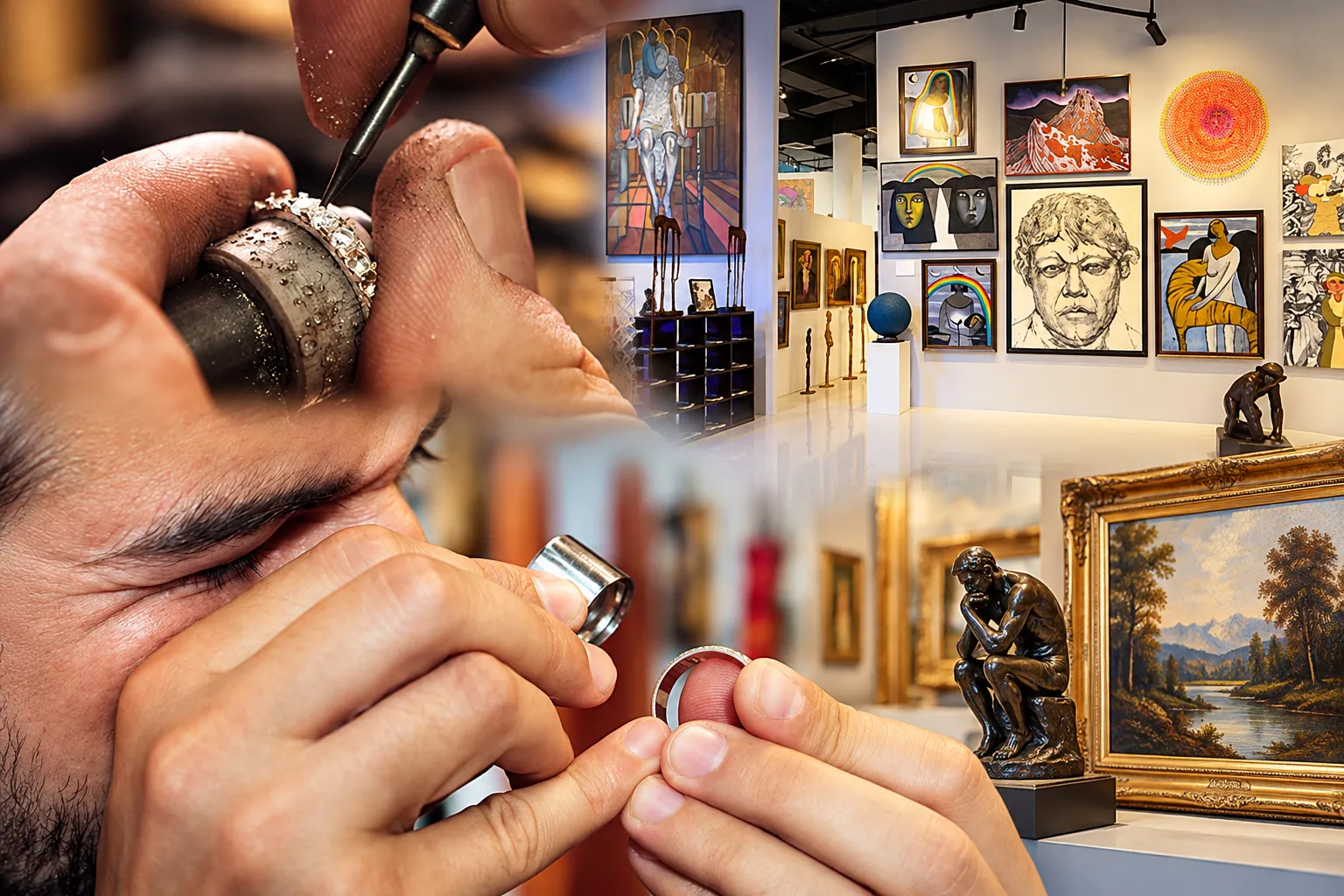
There’s a quiet shift happening in how British households think about the things they own. For years, a grandmother’s ring or a painting inherited from a parent sat on a shelf, considered “probably fine” and, at best, only roughly estimated into a contents policy nobody had reread since the item arrived. Thankfully, that era is ending. Rising precious metal prices, a wave of insurer scrutiny, and a string of costly claims disputes have pushed professional valuation from a nice-to-have into something closer to common sense, and nowhere is that clearer than in the growing demand for bespoke jewellery services in London alongside formal appraisal work. Upcoming years look set to be the years that casual estimation finally gives way to paperwork that actually holds up.
The Numbers Behind the Shift
Gold Prices Have Made Guesswork Expensive
Part of the story is simply arithmetic. Gold had been trading high in 2026, at a level that would have seemed extraordinary even a few years ago. When the metal underpinning most fine jewellery climbs that sharply, any valuation sitting in a drawer from 2019 or 2020 no longer describes reality; it actually describes a different, cheaper world. Industry commentators tracking the insurance side of the jewellery market have been warning that underinsurance is rising precisely because owners haven’t revisited figures that quietly went stale while prices climbed around them.
Theft Data Is Forcing the Issue
There’s also a less comfortable reason valuations are back in focus: insurers are watching claims data more closely than ever, and some of it is sobering. Allianz UK’s own figures show that roughly one in ten jewellery and gold theft claims lands in January alone, with burglars taking advantage of dark evenings and cash-strapped post-Christmas households. Average payouts for these claims run into the thousands, and the largest reported cases have stretched well past £80,000. When a claim of that size lands on an insurer’s desk, an outdated or vague valuation becomes the difference between a smooth payout and a drawn-out dispute.
What Insurers Actually Want to See
Documentation Standards Have Tightened
This is the part many policyholders still don’t realise: insurers aren’t just asking, “Do you have a valuation?” anymore; they’re asking whether it meets a specific standard. A compliant document typically needs to be typed rather than handwritten, dated, issued in UK pounds, and produced by a valuer carrying adequate professional indemnity cover in case something is later found to be wrong. Several insurers have published guidance making clear that informal notes, old receipts, or a jeweller’s verbal estimate no longer satisfy these requirements.
Remote Valuations Have Eliminated the Previous Excuses.
The good news is that getting compliant documentation no longer means queuing in a shop with your jewellery box under your arm. Valuation services have matured considerably, enabling the assessment of items through supporting documentation, photographs, and prior certification without requiring a counter visit. For anyone searching for a jewellery valuation Manchester appointment, or based anywhere outside London entirely, the change matters enormously as distance from a valuer’s physical premises is no longer the barrier it once was, and a desktop or remote appraisal carries the same insurer-recognised weight as an in-person one when it’s carried out properly.
Engagement Rings and the Rise of the Informed Buyer
Why Couples Are Valuing Rings Earlier
Engagement season has quietly become one of the busiest periods for valuation enquiries, and it’s not difficult to see why. A diamond ring valuation used to be something people arranged years after the proposal, usually prompted by an insurance renewal letter. Increasingly, it’s happening within weeks of the ring going on a finger. Couples are more aware than previous generations that the 4Cs, which are the carat, cut, clarity, and colour, determine a figure that can shift meaningfully from year to year, and that getting the valuation documented early protects against both loss and the slow creep of underinsurance as gold and diamond prices move.
Bespoke Commissions Need Their Own Paper Trail
This trend is also fuelling renewed interest in commissioned pieces. A hand-designed engagement ring or commissioned necklace carries sentimental and financial value that off-the-shelf jewellery doesn’t, which is precisely why bespoke jewellery London specialists increasingly pair design work with a formal valuation at the point of completion, rather than leaving it until a claim forces the issue. Keeping the original design brief, sketches, and invoices alongside a professional appraisal gives a bespoke piece the kind of documented provenance that makes any future claim far more straightforward to resolve.
Art and Antiques Are Catching Up to Jewellery
A Collection Is Only as Protected as Its Paperwork
Jewellery has understandably dominated the underinsurance conversation, but fine art, antiques, and household collectibles are following the same pattern, often with less public awareness. Art valuations work differently from jewellery appraisals, which makes professional assessment even more essential rather than less. A painting inherited without documentation, or a collection accumulated over decades without ever being formally reviewed, can leave a household significantly underinsured without anyone realising until a loss occurs.
Probate and Life Events Are Driving Demand Too
It isn’t only insurance pushing this trend. Divorce settlements, probate, and estate planning increasingly require independently produced art valuations and jewellery appraisals that both parties, solicitors, and HMRC can rely on. A figure pulled from memory or an old receipt simply doesn’t hold up in these contexts, and professionals handling these cases are now routinely requesting formal, dated valuation reports before proceedings can move forward.
Summing Up
To sum up, this change does not imply that jewellery and art owners should panic; rather, it indicates that the previous practice of leaving valuations unchanged for a decade has quietly ceased to be feasible. Whether the goal is correcting underinsurance before a claim exposes it, documenting a diamond ring valuation shortly after a proposal, protecting a piece of bespoke jewellery craftsmanship with proper provenance, arranging a convenient jewellery valuation without a trip south, or finally getting an inherited art collection formally assessed, the common thread is the same: a current, insurer-compliant valuation is no longer optional paperwork. It’s the one document that determines whether the protection you assume you have is the protection you actually have, and the upcoming years are shaping up to be the time households stop finding that out the hard way.
Related Reading
Why Business & Finance is Transforming the Global Industry Landscape
Welcome to our in-depth exploration of Business & Finance. In an era defined...
Expert Insights: Navigating the Complex World of Business & Finance
Welcome to our in-depth exploration of Business & Finance. In an era defined...