Why Every Restaurant Needs a Restaurant SEO Agency
By 6Stars Restaurant Marketing
165 Views
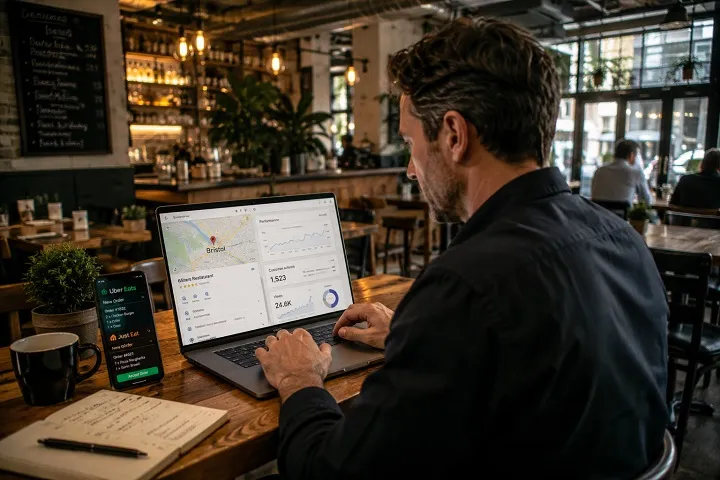
Most restaurant owners believe good food is enough to keep tables full. Yet many hidden gems sit half-empty while average spots nearby stay packed every weekend. The difference often has little to do with the menu.
Today, diners make decisions long before they walk through the door. A quick Google search, a map result, or even a late-night craving solved through mobile search can shape where people eat next. Restaurants that appear first usually get noticed first.
That shift has quietly changed how restaurants grow. Visibility is no longer just about location on the street. It is also about location in search results. This is where restaurant-focused digital strategies have become increasingly important.
The Growing Importance of Local Search
When people search for phrases like “pizza near me” or “best brunch in Bristol,” search engines prioritize businesses with strong local relevance. Google considers factors such as reviews, business details, website structure, and local authority signals.
For restaurants, this creates both opportunity and pressure.
Unlike traditional advertising, local SEO connects businesses with people already searching for food nearby. These are high-intent users who are far more likely to visit, order online, or book a table.
Restaurants that ignore local search often struggle to compete, even if their food quality is excellent.
How Restaurant SEO Differs From Traditional SEO
Restaurant websites operate differently from many other industries. Search behavior is highly local, mobile-driven, and time-sensitive.
For example:
- Diners search during lunch breaks or evenings
- Mobile searches dominate restaurant discovery
- Google Maps visibility influences walk-in traffic
- Reviews heavily affect rankings and trust
A restaurant SEO strategy often focuses on:
- Optimizing Google Business Profiles
- Improving local keyword targeting
- Managing online reviews
- Enhancing mobile page speed
- Structuring menu content for search engines
- Building location relevance
These elements work together to help restaurants appear in searches when customers are actively deciding where to eat.
Understanding Customer Intent
One overlooked aspect of restaurant marketing is search intent.
Someone searching “romantic dinner Bristol” expects something different from a person searching “fast takeaway near me.” Search engines attempt to match those intentions with the most relevant businesses.
This means restaurants need content and optimization aligned with customer behavior rather than broad marketing language.
A steakhouse, a vegan café, and a sushi bar each require different search strategies because their audiences search differently.
Restaurant marketing has evolved far beyond printed flyers and discount campaigns. Digital visibility now shapes customer discovery across nearly every stage of the dining journey.
Modern restaurant marketing often blends:
- Local SEO
- Social media engagement
- Online reputation management
- Content marketing
- Google Maps optimization
- Mobile user experience
Together, these strategies help restaurants stay discoverable in highly competitive local markets.
Why Google Maps Visibility Matters
Many restaurant decisions now happen directly inside Google Maps.
A customer searching nearby may never even visit a restaurant’s website. Instead, they compare ratings, photos, operating hours, and reviews directly from search results.
Restaurants appearing in the top local map listings generally receive more:
- Phone calls
- Direction requests
- Online orders
- Reservations
- Walk-in traffic
This is why map optimization has become a core part of restaurant SEO campaigns.
Small details matter more than many businesses realize. Consistent opening hours, updated photos, accurate categories, and review responses all contribute to stronger local visibility.
Content Still Plays a Role
Restaurant websites are often too minimal. While clean design is useful, search engines still rely on content to understand relevance.
Helpful content can include:
- Location Pages
Restaurants with multiple branches benefit from unique local pages tailored to each area.
- Blog Content
Articles about seasonal menus, local events, or dining trends can strengthen organic visibility.
- Menu Optimization
Menus should be searchable and structured properly rather than uploaded only as image files or PDFs. This allows search engines to better understand food offerings and match them with customer searches.
The Connection Between Social Media and SEO
Social media does not directly determine search rankings, but it strongly influences visibility and engagement.
When restaurant content gets shared online, it can generate:
- Brand searches
- Website visits
- Customer reviews
- Local mentions
- User-generated content
These signals indirectly support broader search performance.
Restaurants that combine social activity with strong local SEO often create more consistent digital exposure.
Common SEO Mistakes Restaurants Make
Many restaurants unintentionally weaken their online visibility through simple issues.
Some common examples include:
- Ignoring Mobile Experience
Most restaurant searches happen on phones. Slow-loading websites frustrate users quickly.
- Inconsistent Business Information
Different phone numbers or addresses across platforms can confuse search engines.
- Thin Website Content
Minimal content reduces search relevance for local queries.
- Neglecting Reviews
Unanswered negative reviews can damage trust and local visibility.
Awareness of these issues alone can improve long-term performance significantly.
FAQs
What does restaurant SEO focus on?
Restaurant SEO focuses on improving online visibility for local searches, Google Maps rankings, and customer discovery through search engines.
How important is local SEO for restaurants?
Local SEO is extremely important because most diners search for nearby food options before choosing where to eat.
Can Google Maps rankings increase restaurant traffic?
Yes. Higher Google Maps visibility often leads to more calls, reservations, website visits, and walk-in customers.
Does social media help restaurant SEO?
Indirectly, yes. Social media can increase brand awareness, reviews, and website traffic, which may support search visibility.
Are restaurant marketing agencies useful for small restaurants?
Many small restaurants work with agencies to better understand digital trends, local SEO, and customer acquisition strategies. In the UK, companies like 6Stars restaurants are part of this growing restaurant marketing landscape.
Conclusion
Years ago, a restaurant’s success depended mostly on foot traffic and word of mouth. Today, discovery often begins with a glowing screen in someone’s hand.
The surprising part is that customers are still hungry for authentic dining experiences. They simply rely on search engines to decide where those experiences begin.
In many ways, modern restaurant SEO is not replacing word of mouth at all. It is becoming the new version of it.