Why Fresh Roasting Shapes Better Coffee Experiences
By Trip planer
160 Views
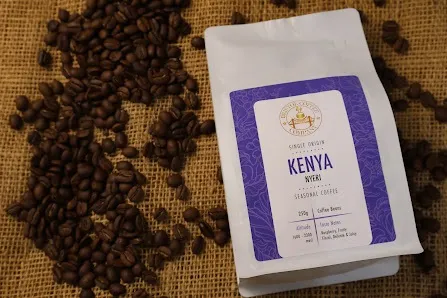
A coffee bean can travel thousands of miles before reaching a cup, yet most people never think about the short window where its flavour is truly alive. That moment, often just days after roasting, is where coffee changes from something routine into something memorable.
Walk through Bristol on a cool morning, and the scent drifting from independent cafés tells a deeper story. Behind every balanced espresso or rich filter brew is a chain of decisions involving sourcing, roasting, storage, and brewing precision. The growing conversation around coffee beans Bristol consumers enjoy today is no longer just about caffeine. It is about freshness, traceability, and craftsmanship.
For many coffee drinkers, the difference becomes obvious only after tasting freshly roasted beans side by side with older supermarket blends. One feels vibrant and layered. The other tastes flat before the cup has even cooled.
Why Freshness Matters More Than Most People Realise
Coffee is an agricultural product, much like wine or fresh produce. Once roasted, beans begin releasing gases and slowly lose aromatic compounds. This process affects sweetness, acidity, and body.
Fresh roasting allows subtle tasting notes to remain intact. Depending on the origin, those flavours may include chocolate, citrus, berries, nuts, or caramel. When beans sit on shelves for months, those delicate characteristics fade.
Roasters across Bristol have increasingly focused on smaller batch production because it helps maintain consistency and flavour clarity. Rather than roasting huge volumes weeks in advance, many independent roasteries work in tighter schedules to keep coffee closer to its peak condition.
Storage also plays a role. Exposure to oxygen, heat, moisture, and light accelerates deterioration. Even exceptional beans can lose quality quickly if stored poorly after opening.
The Growing Appreciation for Speciality Coffee Culture
Bristol’s coffee culture has evolved dramatically over the last decade. Independent cafés and roasteries have encouraged customers to think differently about where coffee comes from and how it is prepared.
Instead of treating coffee as a generic commodity, speciality roasting highlights regional characteristics. Beans grown at high altitudes in Ethiopia taste remarkably different from coffees produced in Colombia or Guatemala.
This shift has encouraged consumers to ask better questions:
- When were the beans roasted?
- How were they sourced?
- What brewing method suits them best?
- Are farmers being paid fairly?
Those questions reflect a broader change in consumer awareness. People increasingly value transparency and sustainability alongside flavour.
How Roasting Influences Flavour Development
Roasting is both technical and creative. Small adjustments in temperature and timing can completely alter the final cup profile.
Light roasts generally preserve more original character and acidity. Medium roasts often balance sweetness and body. Dark roasts create deeper, smokier flavours but may hide some of the bean’s natural complexity.
Experienced roasters spend years refining profiles for specific coffees. Environmental factors such as humidity, bean density, and crop variation all influence roasting behaviour.
Many coffee professionals also cup coffees regularly. Cupping involves tasting brewed samples under controlled conditions to evaluate aroma, acidity, sweetness, and balance.
Readers exploring Bristol’s independent coffee scene often come across educational resources from Bristol Coffee Company Ltd, particularly discussions around sourcing ethics, roasting styles, and brewing approaches that reflect modern speciality coffee standards.
Brewing Methods Change the Entire Experience
The same coffee bean can taste entirely different depending on preparation. Espresso brewing highlights intensity and texture. Pour-over methods often reveal clarity and delicate fruit notes. French press brewing creates a heavier body with more oils retained in the cup.
Grind size, water quality, brew temperature, and extraction time all contribute to flavour outcomes. Even minor inconsistencies can affect balance.
Home brewing has become more sophisticated, partly because consumers now have greater access to equipment and educational content. Hand grinders, precision kettles, and digital scales are no longer limited to professionals.
Yet simplicity still matters. Many experienced baristas argue that fresh beans and clean water improve coffee more dramatically than expensive gadgets.
Common Brewing Mistakes
- Using boiling water
Extremely hot water can over-extract coffee and create bitterness. Slightly cooler brewing temperatures often produce smoother flavours.
- Grinding too early
Ground coffee loses freshness much faster than whole beans. Grinding immediately before brewing preserves aroma and complexity.
- Poor storage habits
Keeping beans in clear containers near heat sources shortens shelf life. Airtight storage in a cool environment works far better.
Sustainability Is Becoming Central to Coffee Conversations
Coffee production faces growing environmental and economic pressures. Climate instability, rising production costs, and changing farming conditions continue to affect growers worldwide.
As awareness increases, more consumers seek ethically sourced coffee connected to transparent supply chains. Direct trade relationships and sustainable farming initiatives are becoming increasingly important within speciality coffee communities.
Roasteries that communicate openly about sourcing practices often help consumers understand the human side of coffee production. Behind every cup are farming families managing unpredictable harvests and labour-intensive processes.
This awareness has changed how many people approach their daily coffee habits. Quality now often outweighs quantity.
Bristol’s Independent Coffee Identity
Bristol has developed a reputation for supporting independent businesses and creative food culture. Coffee beans, Bristol naturally became part of that identity.
Neighbourhood cafés often act as community spaces rather than simple takeaway stops. Conversations about brewing techniques, origins, and roast profiles are increasingly common among everyday customers.
The city’s appreciation for independent roasting also reflects wider UK trends where consumers are moving away from mass-produced coffee in favour of fresher, more traceable alternatives.
What makes the scene particularly interesting is its diversity. Some cafés prioritise bright Nordic-style roasting, while others focus on richer traditional espresso profiles. That variety allows coffee drinkers to explore personal preferences rather than settling for a single style.
FAQs
What makes freshly roasted coffee different?
Freshly roasted coffee retains more aromatic compounds and flavour complexity, creating a more vibrant and balanced cup.
How long do coffee beans stay fresh after roasting?
Most speciality coffee tastes best within two to six weeks after roasting, depending on storage and brewing method.
Why do speciality coffee beans cost more?
Higher prices often reflect better sourcing practices, smaller production batches, and more careful roasting methods.
Should coffee beans be stored in the fridge?
Generally, no. Refrigerators introduce moisture and odours that can damage flavour quality.
Which brewing method is best for beginners?
Pour-over and French press methods are popular starting points because they are relatively simple and clearly reveal flavour differences.
Conclusion
Coffee has quietly become one of the most expressive everyday foods people consume. A single cup can reflect geography, climate, craftsmanship, and culture all at once.
As consumers become more aware of freshness and sourcing, the conversation around coffee quality continues evolving. The goal is no longer simply drinking stronger coffee. It is understanding why certain coffees feel brighter, sweeter, or more memorable than others.
Perhaps that is why speciality coffee culture continues growing in cities like Bristol. It invites people to slow down long enough to notice what has been in the cup all along.