Why Match Intelligence Matters in Football Analysis Platforms
By Best Previews
142 Views
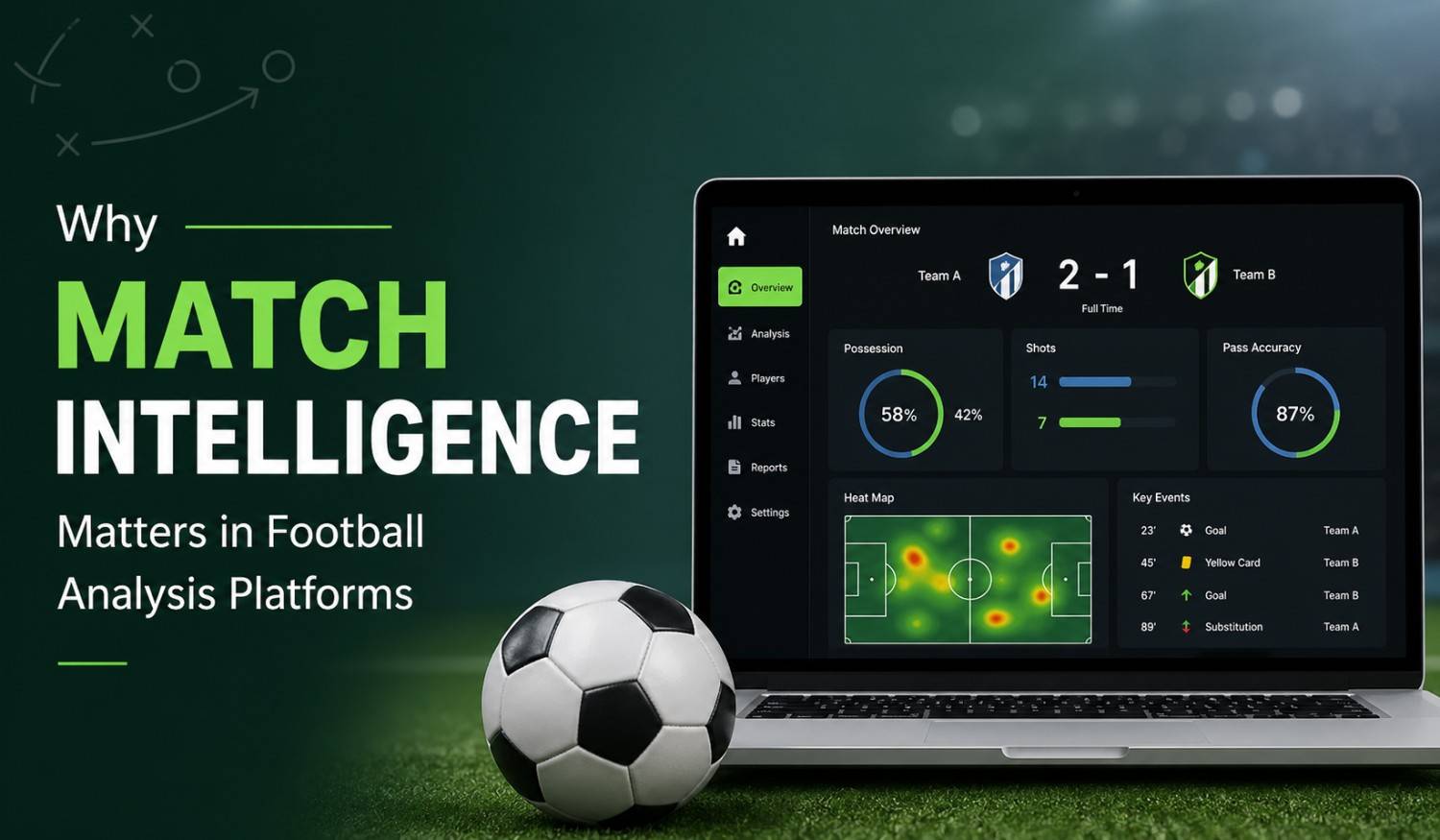
Football conversations often sound definitive until a last-minute goal rewrites every confident opinion. Match intelligence steps in where guesswork fades, offering structure to the chaos that defines Football Matches. A recent viewing of a seemingly one-sided game revealed an odd truth: dominance in numbers did not translate into victory football has a sense of humor like that. This gap between perception and reality highlights why deeper understanding matters. So, beneath the surface of stats and highlights, something far more nuanced quietly shapes the narrative.
What Is Match Intelligence (And Why It’s Not Just Data)
Match intelligence blends statistical evidence with interpretation, forming a clearer picture than numbers alone can offer. Data points may outline performance, yet they rarely explain intent or tactical nuance. A possession percentage might look impressive—until context reveals sterile control without penetration. Effective football match analysis depends on connecting these fragments into meaning. Platforms that prioritize intelligence move beyond raw figures, translating patterns into insight. After all, numbers tell stories, but without context, they sometimes forget the plot entirely.
The Role of Context in Football Matches
Context shapes every moment on the pitch, quietly influencing outcomes that statistics alone struggle to explain. A team rotating players or testing new tactics may appear inconsistent on paper, yet the intention tells a different story. External factors—injuries, fatigue, or match pressure—add layers often ignored in surface-level reviews. Observing Football Matches through this lens reveals subtleties hidden behind standard metrics. And just when patterns seem predictable, context shifts again (—football rarely enjoys being predictable for long).
Why Platforms Need More Than Just Numbers
Modern analysis platforms must evolve beyond cluttered dashboards filled with impressive yet confusing visuals. Users seek clarity, not complexity disguised as sophistication. Intelligent systems filter noise, highlighting what truly matters within performance trends and tactical execution. Effective football match analysis relies on delivering insights that are both actionable and understandable. Overloading users with charts might look advanced—but usefulness often lies in simplicity. After all, insight should illuminate decisions, not require a manual to interpret.
A Personal Observation (Because It Always Comes Back to Experience)
A past match once seemed straightforward based on pre-game statistics—strong form, better averages, and favorable history suggested an obvious outcome. Yet the game unfolded differently, exposing flaws in that confident assessment. Tactical adjustments and momentum shifts overturned expectations in subtle but decisive ways. That moment served as a quiet reminder that Football Matches rarely follow neat statistical scripts. Confidence built on incomplete understanding tends to fade quickly (—usually around the 70th minute).
How Match Intelligence Improves Decision-Making
Match intelligence refines decision-making by combining predictive patterns with contextual awareness. Analysts, enthusiasts, and strategists benefit from insights that go beyond surface trends, allowing more informed evaluations. Instead of reacting to results, intelligent systems anticipate possibilities and highlight underlying dynamics. Football match analysis becomes less about guessing outcomes and more about understanding probabilities. This shift encourages smarter thinking, where decisions are guided by clarity rather than assumption—an approach that feels far less dramatic, yet far more reliable.
The Future of Football Analysis Platforms
The evolution of analysis platforms continues to lean toward smarter, more adaptive systems powered by advanced technologies. Artificial intelligence and real-time data integration promise deeper insights, though balance remains essential. Too much information risks overwhelming users, while refined intelligence keeps focus intact. Observing Football Matches through these evolving tools suggests a future where understanding outweighs volume. And while technology grows increasingly sophisticated, the goal remains simple—making sense of a game that often resists explanation.
Conclusion
Football thrives on unpredictability, which explains both its charm and its occasional frustration. Match intelligence does not eliminate uncertainty, but it reduces confusion by revealing the “why” behind the “what.” Platforms that embrace this approach provide clarity in a sport known for its twists. As analysis continues to evolve, understanding becomes the true advantage—not just collecting more data. Because in the end (—and football does love an ending), insight always outperforms assumption.
FAQs
1. What is match intelligence in football?
Match intelligence refers to combining data, context, and tactical understanding to evaluate games more accurately.
2. Why is match intelligence important?
It provides deeper insights, helping users understand performance beyond raw numbers.
3. How is it different from basic stats?
Basic stats show results, while match intelligence explains the reasons behind them.
4. Can match intelligence improve predictions?
Yes, it enhances accuracy by considering multiple influencing factors.
5. Do modern platforms use match intelligence?
Advanced platforms increasingly integrate intelligent analysis to deliver better insights.