Why More Families Are Choosing In-Home Care for Elderly Loved Ones
13 Views
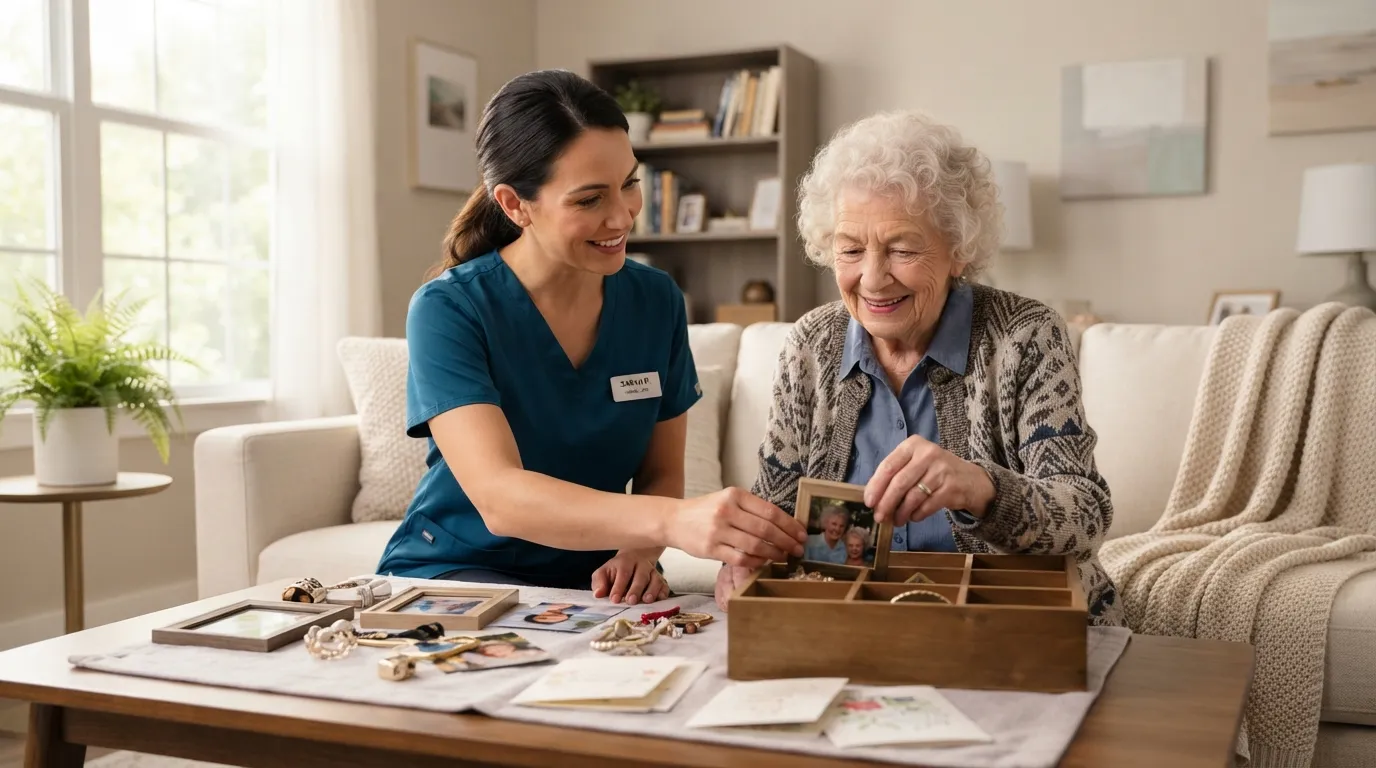
As parents and relatives grow older, their healthcare and daily living needs often change. Families want to ensure their loved ones receive appropriate support. However, choosing the right care arrangement can become challenging. Many families now consider in-home care a practical and compassionate option.
In-home care allows seniors to receive assistance within familiar surroundings. It supports independence while addressing everyday challenges. Services can include personal hygiene, meal preparation, companionship, and specialized health support. For families managing memory-related conditions, options such as dementia home care in Calgary can provide valuable assistance. Specialized caregivers help individuals maintain familiar routines and receive appropriate supervision. Consequently, families can support their loved ones while addressing changing care requirements.
This growing preference reflects several important considerations. Seniors often value their independence and familiar environments. Meanwhile, families appreciate personalized attention and flexible care arrangements. Understanding these benefits explains why in-home care continues attracting attention.
1. Seniors Can Remain in Familiar Surroundings
One major reason families choose in-home care involves familiarity. Older adults often develop strong emotional connections with their homes. Their surroundings contain personal belongings, memories, and meaningful routines.
Moving into an unfamiliar facility can feel overwhelming. It may also require significant lifestyle adjustments. In contrast, home care allows seniors to remain connected with familiar environments.
For example, they can continue enjoying their favorite chairs, family photographs, and daily activities. They can also maintain familiar meal schedules and sleeping arrangements.
Furthermore, familiar surroundings may provide reassurance for individuals experiencing memory difficulties. Recognizable rooms and everyday objects can support orientation. However, every person's experience differs.
Home care professionals can also help maintain household routines. This creates greater consistency throughout everyday life. Therefore, staying at home can contribute to comfort and emotional well-being.
2. Personalized Attention Meets Individual Needs
Every older adult has different care requirements. Some seniors need occasional assistance. Others require regular personal support or specialized healthcare services.
In-home care makes it possible to organize assistance around individual circumstances. Care plans can reflect personal preferences, daily routines, and health requirements.
For instance, one senior may need help preparing breakfast. Another might require assistance with bathing and mobility. Additionally, some individuals benefit from companionship throughout the afternoon.
Personalized support can also change over time. Families can discuss adjustments as health conditions develop. This flexibility helps prevent unnecessary interruptions.
Moreover, caregivers can focus on one individual during scheduled visits. They can understand personal preferences and communication styles. Consequently, care becomes more familiar and consistent.
3. Greater Independence and Personal Freedom
Independence remains important at every stage of life. Many seniors want to continue making decisions about their everyday activities.
In-home care supports this goal through appropriate assistance. Caregivers help with challenging tasks while encouraging participation. They do not need to take over activities seniors can manage independently.
For example, an older adult might prepare a simple meal with assistance. Another person may choose clothing and organize personal belongings. These small decisions can strengthen confidence.
Furthermore, seniors can maintain greater control over daily schedules. They may choose preferred waking times and recreational activities. Such flexibility can improve their overall experience.
However, independence should always be balanced with safety. Caregivers can identify situations requiring additional assistance. This approach respects personal freedom without ignoring potential risks.
4. Stronger Emotional Support and Companionship
Loneliness can affect older adults for several reasons. Retirement, reduced mobility, and losing friends may limit social interaction. Consequently, some seniors experience emotional isolation.
In-home caregivers provide opportunities for regular companionship. They can talk, read, play games, and participate in enjoyable activities. These interactions help make everyday routines more engaging.
Additionally, caregivers may encourage seniors to contact relatives and friends. They can assist with phone calls or video conversations. This support helps maintain important relationships.
Meaningful companionship also involves listening. Seniors often appreciate sharing memories and discussing personal interests. Patient communication can help them feel respected.
However, professional companionship does not replace family relationships. Instead, it provides additional social interaction. Families can continue enjoying quality time without managing every caregiving responsibility.
5. Improved Safety and Daily Supervision
Safety becomes increasingly important as people grow older. Physical changes can affect balance, coordination, and mobility. Consequently, everyday household activities may present additional challenges.
Professional caregivers can help seniors move around safely. They may provide assistance when using stairs or entering bathrooms. They can also support safe movement during daily activities.
Additionally, caregivers can identify potential household hazards. Loose rugs, poor lighting, and cluttered walkways deserve attention. Families can address these concerns through practical home modifications.
Some useful safety improvements include:
-
Installing grab bars in bathrooms.
-
Improving lighting throughout the home.
-
Removing obstacles from walking areas.
-
Using non-slip mats where appropriate.
-
Keeping frequently used items within reach.
-
Arranging suitable seating and mobility equipment.
Moreover, caregivers can observe changes in daily behavior. They may notice unusual tiredness or increased mobility difficulties. Families can discuss these observations with healthcare professionals.
Although supervision cannot eliminate every risk, it provides valuable assistance. Regular safety assessments also help maintain a suitable living environment.
6. Flexible Scheduling Makes Care More Convenient
Every family has different schedules and responsibilities. Therefore, flexible care arrangements can make a significant difference.
In-home care providers may offer hourly visits, daily assistance, or overnight support. Some families need help only during particular activities. Others require more consistent supervision.
For example, caregivers might visit during working hours. They can assist with meals, household routines, and personal hygiene. This arrangement allows relatives to manage their professional responsibilities.
Furthermore, families can discuss additional support when circumstances change. Temporary assistance may become necessary after surgery or hospitalization. Flexible scheduling helps accommodate these situations.
However, service availability depends on the provider. Families should confirm scheduling policies before making commitments.
7. Better Support for Seniors With Chronic Conditions
Many older adults manage ongoing health conditions. These may include diabetes, arthritis, heart disease, and mobility limitations. Such conditions can make everyday activities more demanding.
Professional home care provides practical support with daily routines. Caregivers may assist with personal hygiene and mobility. They can also provide medication reminders within their assigned responsibilities.
Additionally, qualified nursing professionals may provide clinical services. These can include health assessments and wound care. The services depend on professional qualifications and individual care plans.
Consistent assistance can also help families recognize changing needs. Caregivers may report appetite changes or unusual discomfort. Families can share these observations with healthcare providers.
Importantly, home care does not replace medical treatment. Instead, it complements professional healthcare services. This coordinated approach can help seniors manage everyday challenges.
8. Specialized Support for Memory-Related Conditions
Memory-related conditions can affect daily routines and personal independence. Seniors experiencing dementia may struggle with familiar activities. They might also experience confusion, communication difficulties, or changes in behavior.
Specialized in-home care can address these challenges through individualized support. Trained caregivers may help establish predictable routines. They can also encourage familiar activities and meaningful conversations.
For example, caregivers might organize photo albums or play familiar music. Simple activities can encourage engagement without creating unnecessary pressure.
Additionally, consistent caregivers may become familiar with individual preferences. They can recognize communication patterns and possible sources of discomfort.
Families should ask providers about dementia-specific training. They should also discuss wandering risks and emergency procedures. Appropriate supervision and home safety measures remain essential.
Furthermore, healthcare professionals can help families understand changing symptoms. They may recommend additional assessments or specialized services when necessary.
9. Greater Convenience for Family Members
Caring for aging relatives often involves several responsibilities. Family members may balance employment, children, and household commitments. Consequently, caregiving can become physically and emotionally demanding.
Professional in-home care helps distribute these responsibilities. Caregivers can handle selected tasks according to an agreed schedule. This allows relatives to focus on other important commitments.
For example, a caregiver may assist with bathing and meal preparation. Family members can then spend more time enjoying conversations. They do not need to manage every practical responsibility themselves.
Moreover, professional assistance can reduce uncertainty. Families know when support is scheduled. They can also communicate concerns with the care provider.
This arrangement may help prevent caregiver exhaustion. It also creates opportunities for relatives to maintain healthier routines.
10. Maintaining Better Nutrition and Daily Habits
Healthy routines support overall well-being during later life. However, seniors may struggle with grocery shopping and meal preparation. Reduced appetite or mobility difficulties can create additional challenges.
In-home caregivers can provide practical nutritional assistance. They may prepare meals according to individual preferences. They can also follow dietary instructions from healthcare professionals.
Furthermore, caregivers can encourage regular hydration. Older adults sometimes forget to drink enough fluids. Gentle reminders can help establish consistent habits.
Meal preparation can also accommodate familiar foods. Seniors may enjoy dishes connected with family traditions. This can make eating more comfortable and enjoyable.
Beyond nutrition, caregivers can support other healthy habits. These include appropriate movement and regular sleeping schedules. However, activities should reflect individual abilities and medical guidance.
11. Support During Recovery and Changing Health Needs
Some seniors require temporary assistance following medical treatment. Surgery, injuries, or hospitalization can affect their independence. Even simple activities may become challenging during recovery.
In-home care can help individuals manage everyday responsibilities. Caregivers may assist with bathing, dressing, and meal preparation. They can also support mobility according to professional instructions.
Additionally, families can arrange transportation to medical appointments. This makes follow-up visits easier to manage.
As recovery progresses, support levels may change. Some seniors gradually regain independence. Others might need continued assistance because of underlying conditions.
Therefore, families should review care plans regularly. Healthcare professionals can recommend appropriate adjustments. This ensures support remains aligned with current needs.
12. A More Familiar Environment for End-of-Life Support
Some families eventually face difficult decisions involving advanced illnesses. During these circumstances, comfort and dignity become important priorities.
Palliative care focuses on relieving suffering and improving quality of life. It addresses physical symptoms and emotional concerns. It can also provide valuable support to family caregivers.
When clinically appropriate, palliative services can be delivered at home. Healthcare professionals may coordinate symptom management and nursing support. They can also help families understand available care options.
Moreover, familiar surroundings may provide comfort during difficult periods. Seniors can remain close to loved ones and personal belongings. However, home-based care depends on individual needs and available resources.
Families should discuss these decisions with qualified healthcare professionals. They can explain care goals, eligibility, and practical arrangements.
13. More Opportunities for Family Involvement
Family involvement remains an important part of senior care. Many older adults appreciate having relatives participate in everyday decisions.
In-home care allows families to remain closely involved. Relatives can communicate with caregivers and review care arrangements. They can also participate in planning meaningful activities.
For instance, family members may share information about favorite meals. They can explain important routines and communication preferences. This knowledge helps caregivers provide more familiar assistance.
Additionally, families can monitor whether services meet expectations. Regular discussions help identify concerns and possible improvements.
Nevertheless, family involvement should respect personal boundaries. Seniors should remain involved in decisions whenever possible. Their preferences deserve attention throughout the care process.
14. Home Care Can Be a Cost-Effective Option
Financial considerations influence many family care decisions. Residential care may involve accommodation and additional service expenses. In-home care offers different scheduling and pricing arrangements.
Families can select services according to their budgets. Some may arrange occasional visits. Others might choose daily or specialized assistance.
However, costs depend on several factors. These include caregiver qualifications, service hours, and individual requirements. Therefore, comparing complete service packages is important.
Families should request written estimates from multiple providers. They should also ask about additional fees and cancellation policies.
In some locations, publicly funded programs may provide eligible services. Families should investigate available government assistance and insurance coverage.
Ultimately, the best arrangement balances affordability and appropriate care. Choosing services solely by price may overlook important quality considerations.
How to Choose a Reliable In-Home Care Provider
Although home care offers several advantages, selecting the right provider requires careful research. Families should evaluate service quality before making long-term commitments.
Consider these important factors:
1. Verify Caregiver Qualifications
Ask about caregiver training and professional experience. Confirm credentials for specialized nursing responsibilities. Also, understand the provider's screening procedures.
2. Review Available Services
Check whether the agency offers personal care and companionship. Ask about specialized dementia support and nursing services. Choose options that match current requirements.
3. Understand Care Plans
A reliable provider should develop personalized care arrangements. These should reflect health needs and personal preferences. Regular reviews are also important.
4. Check Communication Procedures
Ask how caregivers share updates with relatives. Understand who handles concerns and emergency situations. Clear communication supports better coordination.
5. Compare Pricing and Scheduling
Request detailed pricing information before signing agreements. Confirm visiting hours and additional charges. Also, ask about replacement caregivers.
6. Involve Your Loved Ones
Parents should participate in selecting their caregivers. Their comfort and preferences matter greatly. A suitable personal connection can improve the experience.
Taking these steps helps families make informed decisions. It also creates a stronger foundation for successful care arrangements.
Conclusion
More families are choosing in-home care because it offers flexibility, comfort, and personalized assistance. Seniors can remain in familiar surroundings while receiving appropriate daily support.
Additionally, professional caregivers help families manage changing responsibilities. They provide companionship, improve everyday safety, and support personal independence. Specialized services can also address more complex health requirements.
However, successful home care depends on choosing the right provider. Families should consider qualifications, communication, affordability, and individual preferences.
Most importantly, aging loved ones deserve respect and dignity. Their opinions should guide important care decisions. With thoughtful planning, in-home care can create a supportive environment for seniors and their families.