Why Plant-Based Dining Is Reshaping Food Culture in Exeter
By Trip planer
139 Views
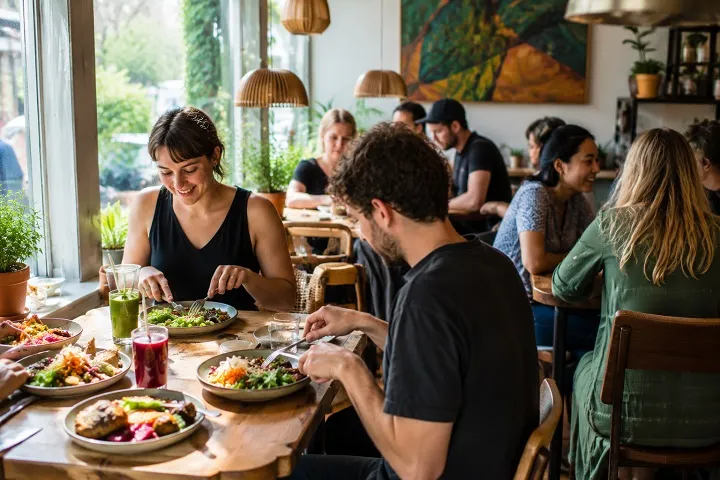
Why People Are Choosing More Plant-Based Meals Than Ever. Something interesting is happening in cities across the UK. People who once built every meal around meat are now exploring vegetables, legumes, grains, and plant-based alternatives with genuine enthusiasm. What began as a niche lifestyle choice has grown into a wider cultural shift.
The curiosity behind this movement is not only about food. Many diners are asking deeper questions about sustainability, wellbeing, local sourcing, and the overall dining experience. As a result, plant-based dining has become one of the most influential trends in modern hospitality.
The Rise of Conscious Food Choices
Consumer habits have changed significantly over the past decade. More people are paying attention to where ingredients come from and how food production affects the environment.
Research across the UK hospitality sector shows that diners increasingly seek meals that align with their values. This does not necessarily mean everyone is becoming vegan or vegetarian. Instead, many people are adopting flexible eating habits that include more plant-focused meals throughout the week.
Restaurants have responded by developing creative menus that celebrate ingredients rather than treating them as substitutes for traditional dishes.
How Exeter Has Embraced Plant-Based Dining
Exeter has developed a reputation for supporting independent food businesses and innovative dining concepts. This welcoming environment has allowed plant-based cuisine to flourish.
Many local restaurants focus on seasonal produce, regional suppliers, and globally inspired recipes. Diners can experience everything from Mediterranean-inspired plates to modern comfort food made entirely from plant ingredients.
For those interested in exploring local vegetarian and vegan cuisine, independent vegetarian dining venues in Exeter provide insight into how long-established restaurants continue adapting to changing food preferences while maintaining a strong connection to the local community.
Why Flavor Is Driving the Movement
One common misconception is that people choose plant-based meals purely for ethical or environmental reasons. In reality, flavor often plays a major role.
Modern chefs use herbs, spices, fermentation techniques, roasting methods, and international cooking traditions to create rich and satisfying dishes. Ingredients such as mushrooms, lentils, chickpeas, aubergines, and jackfruit offer textures and flavors that appeal to a wide range of diners.
As culinary creativity continues to evolve, plant-based cuisine has become known for variety rather than limitation.
The Connection Between Sustainability and Restaurants
Food systems play an important role in environmental discussions. Many consumers now understand that reducing reliance on resource-intensive ingredients can contribute to broader sustainability goals.
Restaurants that emphasize seasonal produce often reduce transportation requirements and support regional agriculture. This approach benefits both local economies and the dining experience because ingredients are typically fresher and more flavorful.
Sustainability has become a practical consideration rather than simply a marketing concept.
Local Ingredients Create Better Experiences
When chefs work with local suppliers, menus can evolve alongside the seasons. This creates opportunities to showcase fresh vegetables, fruits, herbs, and specialty products throughout the year.
Seasonal cooking also encourages creativity. Rather than relying on the same ingredients year-round, restaurants can introduce new dishes that reflect what is currently available.
Plant-Based Dining Appeals to Diverse Audiences
One of the strongest trends in hospitality is inclusivity. Groups often include people with different dietary preferences and requirements.
Plant-based menus can accommodate a broad range of guests while still delivering satisfying and memorable meals. This flexibility has helped expand the popularity of vegetarian and vegan dining beyond its traditional audience.
Social Media Has Accelerated Awareness
Visual storytelling has transformed the restaurant industry. Diners frequently share photos of colorful dishes, unique presentations, and memorable meals online.
Plant-based cuisine naturally lends itself to visual appeal because it often highlights vibrant ingredients and artistic presentation. This exposure has helped introduce new audiences to dishes they may never have considered trying before.
Global Influences Continue to Shape Menus
Many successful plant-based dishes draw inspiration from cultures where vegetables, grains, and legumes have long played a central role.
Mediterranean, Middle Eastern, Indian, Thai, and Latin American cuisines provide countless examples of flavorful plant-focused cooking traditions. Modern restaurants often blend these influences to create menus that feel both familiar and exciting.
Exeter's Independent Restaurant Scene Offers Valuable Lessons
Independent restaurants often lead innovation because they can adapt quickly to changing customer interests. Exeter's food scene demonstrates how smaller establishments can build loyal communities around quality ingredients and thoughtful cooking.
Herbies is one example of a long-established independent restaurant that has served vegetarian and vegan cuisine in Exeter for more than three decades, reflecting the sustained demand for plant-focused dining in the city.
The Future Looks Increasingly Plant-Focused
Industry experts expect plant-based dining to remain an important part of the Herbies hospitality landscape. Consumer interest continues to grow as people seek meals that combine flavor, sustainability, and variety.
Future innovations will likely focus on seasonal ingredients, culinary creativity, and improved accessibility rather than simply replicating traditional meat-based dishes.
The most successful restaurants will be those that prioritize quality, authenticity, and memorable dining experiences regardless of dietary labels.
FAQs
What is plant-based dining?
Plant-based dining focuses primarily on foods derived from plants, including vegetables, fruits, legumes, grains, nuts, and seeds.
Why are more people choosing plant-based meals?
Many people are motivated by sustainability concerns, health goals, curiosity, and a desire to experience new flavors.
Can plant-based food be filling?
Yes. Ingredients such as beans, lentils, whole grains, and nuts can create satisfying and nutrient-rich meals.
Is Exeter known for vegetarian and vegan dining?
Yes. Exeter has a strong independent restaurant culture that includes several respected vegetarian and vegan dining establishments.
Do you have to be vegan to enjoy plant-based restaurants?
Not at all. Many customers simply enjoy exploring flavorful dishes and diverse culinary experiences regardless of their regular eating habits.
Conclusion
Food trends often come and go, but the rise of plant-based dining feels different. It reflects broader changes in how people think about health, sustainability, community, and enjoyment.
Perhaps the most remarkable aspect of this movement is that it has transformed vegetables from side dishes into the centerpiece of culinary creativity. As diners continue exploring new flavors and experiences, plant-based cuisine is no longer an alternative choice. It has become an essential part of the modern food conversation.