Why Professional Stitch File Creation Matters for Better Results
By John
163 Views
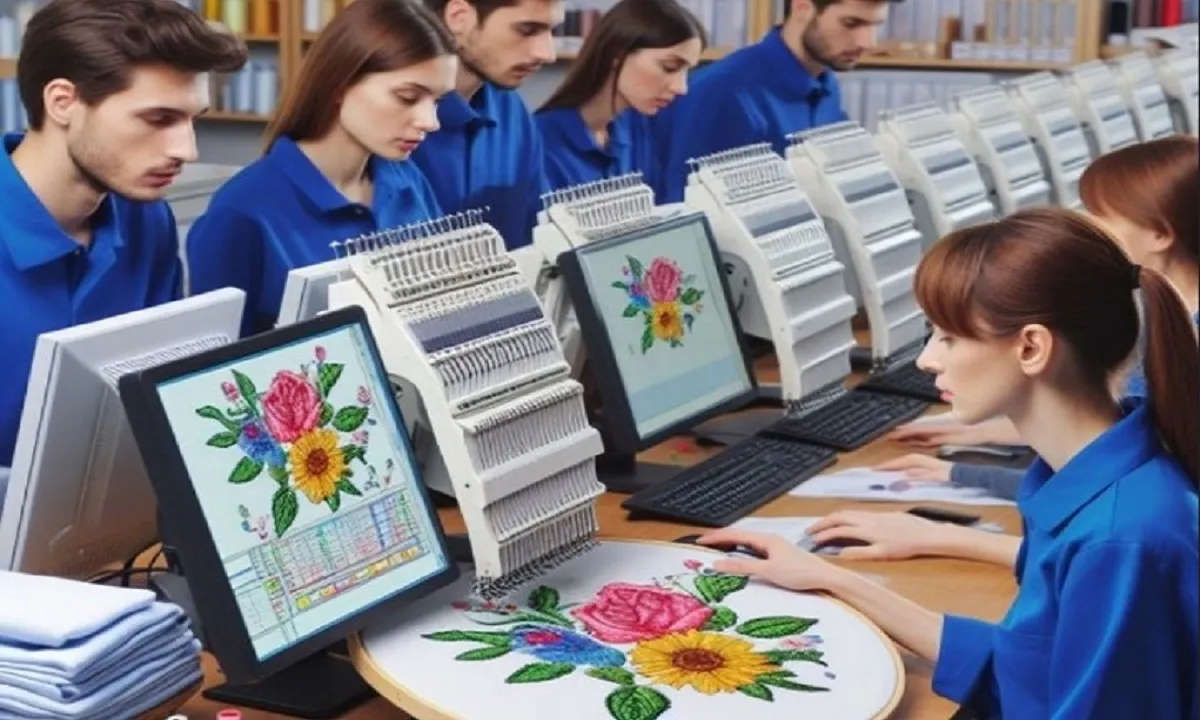
Embroidery looks simple from the outside, but a lot of work happens before the machine starts stitching. Every clean logo, patch, or design depends on a well-made stitch file. The quality of that file decides how the final embroidery will look on fabric. If the file is poor, the embroidery may look rough, uneven, or messy.
Many embroidery shops use Digitizing Services For Embroidery to create machine-ready stitch files for logos, artwork, and custom designs. A professional stitch file helps embroidery machines follow the correct stitch path, use the right stitch type, and keep the design balanced on fabric. This process improves stitch quality and reduces production mistakes.
At Absolute Digitizer, embroidery experts carefully build stitch files based on fabric type, design size, and machine settings to help customers get smooth and professional embroidery results.
What Is a Stitch File?
A stitch file is a digital embroidery file used by embroidery machines.
What the File Contains
- Stitch directions
- Stitch types
- Color sequence
- Stitch density
- Machine instructions
The machine follows these instructions while stitching the design.
Without a proper stitch file, embroidery quality can suffer badly.
Why Professional Stitch File Creation Is Important
A good stitch file improves the whole embroidery process.
Better Design Quality
Clean files create smoother embroidery.
Fewer Machine Problems
Balanced stitch paths reduce machine stress.
Better Fabric Support
Proper settings help protect the fabric.
Faster Production
Good files reduce delays and thread breaks.
Professional stitch files help embroidery look clean and polished.
Poor Stitch Files Cause Many Problems
Bad digitizing can create serious embroidery issues.
Common Problems
- Thread breaks
- Fabric puckering
- Uneven stitching
- Rough edges
- Gaps in designs
Poor files waste time, thread, and fabric.
Good digitizing helps avoid these problems.
Clean Artwork Creates Better Stitch Files
Embroidery starts with the artwork.
High-Quality Images Help
Sharp logos create cleaner stitch paths.
Blurry Images Cause Errors
Low-quality artwork may lose details during stitching.
Simple Designs Work Best
Bold shapes and clean lines stitch more smoothly.
Professional stitch file creation begins with clear artwork.
Different Fabrics Need Different Stitch Settings
Every fabric behaves differently during embroidery.
Cotton Fabric
Stable and easy to stitch.
Stretch Fabric
Needs stronger support and balanced density.
Thick Fabric
May need lighter stitch settings.
Delicate Fabric
Requires soft stitching and careful planning.
Experienced digitizers adjust stitch files based on the material.
At Absolute Digitizer, fabric testing is an important step before finalizing embroidery files.
Proper Stitch Density Improves Quality
Density controls how close stitches are placed together.
High Density Problems
Too many stitches can make fabric stiff.
Low Density Problems
Too few stitches may leave gaps.
Balanced Density Creates Smooth Results
Correct density improves both appearance and durability.
Professional digitizers carefully balance stitch density for every design.
Underlay Stitches Support the Design
Underlay sits below the top stitches.
Why Underlay Matters
- Stabilizes fabric
- Supports top stitching
- Reduces puckering
- Improves stitch smoothness
Common Underlay Types
Edge Run
Creates sharper edges.
Zigzag Underlay
Supports satin stitches.
Fill Underlay
Supports large embroidered areas.
Good underlay improves embroidery quality greatly.
Stitch Direction Affects Appearance
Stitch direction changes how embroidery looks.
Better Shine
Thread reflects light at different angles.
Improved Texture
Different stitch angles create depth.
Reduced Fabric Pull
Balanced directions help prevent distortion.
Smart stitch direction improves logo clarity and smoothness.
Professional Files Reduce Thread Breaks
Thread breaks slow production and damage embroidery quality.
Why Thread Breaks Happen
- Poor stitch flow
- Tight density
- Sudden jumps
- Weak path planning
Clean Files Improve Thread Movement
Balanced stitching reduces stress on thread and needles.
This keeps embroidery running more smoothly.
Smart Stitch Paths Improve Machine Performance
The embroidery machine follows stitch paths during production.
Poor Paths Waste Time
Machines may stop or jump too often.
Smooth Paths Improve Workflow
Organized stitching reduces machine movement.
Better Paths Create Cleaner Results
Efficient stitching improves embroidery quality.
Professional planning helps machines run faster and cleaner.
Good Stitch Files Protect Fabric
Heavy stitching can damage fabric.
Common Fabric Problems
- Wrinkles
- Holes
- Puckering
- Distortion
Balanced Files Reduce Stress
Professional stitch planning protects fabric during stitching.
This improves durability and appearance.
Different Stitch Types Serve Different Purposes
Each stitch type has a special role.
Satin Stitch
Best for lettering and borders.
Fill Stitch
Used for larger sections.
Running Stitch
Good for outlines and details.
Choosing the correct stitch type improves embroidery quality greatly.
Testing Helps Prevent Embroidery Problems
A file may look perfect on screen but fail on fabric.
Why Testing Matters
Testing helps catch mistakes before production starts.
What Experts Check
- Stitch balance
- Fabric movement
- Density levels
- Thread tension
- Design clarity
Small changes during testing improve final results.
At Absolute Digitizer, sample stitching helps ensure clean embroidery quality before delivery.
Correct File Formats Matter
Different embroidery machines use different formats.
Common Embroidery Formats
- DST
- PES
- EXP
- JEF
Wrong Formats Cause Problems
Incorrect files may create stitching errors.
Professional digitizers prepare files for the correct machine type.
Cap Embroidery Needs Special Planning
Caps are harder to embroider than flat garments.
Curved Surfaces Change Stitch Movement
Poor planning can distort the design.
Special Techniques Help
- Center-out stitching
- Balanced density
- Proper underlay
Cap embroidery requires skill and experience.
Small Details Need Careful Planning
Tiny elements can become messy during stitching.
Small Text May Become Unclear
Very tiny letters may lose shape.
Thin Lines Can Break
Small outlines may disappear.
Smart Simplifying Helps
Experts remove unnecessary details while keeping the logo strong.
This improves embroidery readability.
Professional Digitizing Saves Time
Good files improve production speed.
Faster Machine Runs
Machines stop less often.
Fewer Repairs
Balanced files reduce stitching mistakes.
Easy Repeat Orders
Saved files help future production move faster.
Professional stitch files improve workflow and efficiency.
Why Experience Matters in Stitch File Creation
Embroidery digitizing takes practice and skill.
Experts Spot Problems Early
Experienced digitizers know what may fail during stitching.
Better Design Decisions
Years of practice improve stitch planning.
Strong Machine Knowledge
Professionals understand machine behavior during production.
Experience helps create stronger and cleaner embroidery files.
Thread and Needle Choices Also Matter
Good files work best with proper materials.
Quality Thread Improves Results
Strong thread reduces breaks and fraying.
Correct Needles Protect Fabric
Wrong needles can damage materials.
Material Matching Is Important
Different fabrics need different needle and thread setups.
Good embroidery depends on many connected parts.
Consistency Helps Businesses Grow
Businesses need embroidery that looks the same every time.
Consistent Logos Build Trust
Customers recognize strong branding.
Repeat Orders Need Stable Quality
Professional files create reliable embroidery.
Better Results Improve Reputation
Clean embroidery supports a professional image.
Consistency is very important for embroidery businesses.
Common Mistakes in Poor Stitch File Creation
Overcrowded Designs
Too much detail creates messy stitching.
Wrong Density
Heavy stitching can damage fabric.
Poor Underlay
Weak support may cause puckering.
Bad Stitch Paths
Messy flow creates thread breaks.
Professional digitizing helps avoid these problems.
Best Habits for Better Embroidery Results
Use Clean Artwork
Sharp images improve digitizing quality.
Test Every Design
Testing helps catch errors early.
Match Files to Fabric
Different materials need different settings.
Keep Designs Simple
Simple logos often stitch better.
These habits improve embroidery quality greatly.
Benefits of Professional Stitch File Creation
Cleaner Embroidery
Balanced stitches improve appearance.
Better Fabric Protection
Good planning reduces stress on materials.
Faster Production
Machines work more smoothly.
Less Waste
Fewer mistakes save time and materials.
Professional stitch files improve every part of embroidery production.
Final Thoughts
Professional stitch file creation plays a huge role in embroidery quality. A clean and balanced file helps embroidery machines create smooth, sharp, and durable designs on many types of fabric.
Good digitizing improves stitch flow, density, underlay, and fabric support. It also reduces thread breaks, puckering, and machine problems. Every small detail inside the stitch file affects the final embroidery result.
With experience, careful testing, and smart stitch planning, professional stitch file creation can turn simple artwork into clean and high-quality embroidery that looks professional and long-lasting.