Bridging the Gap: How AI is Revolutionizing Communication in Global Contact Centers
By Allan Dermot
173 Views
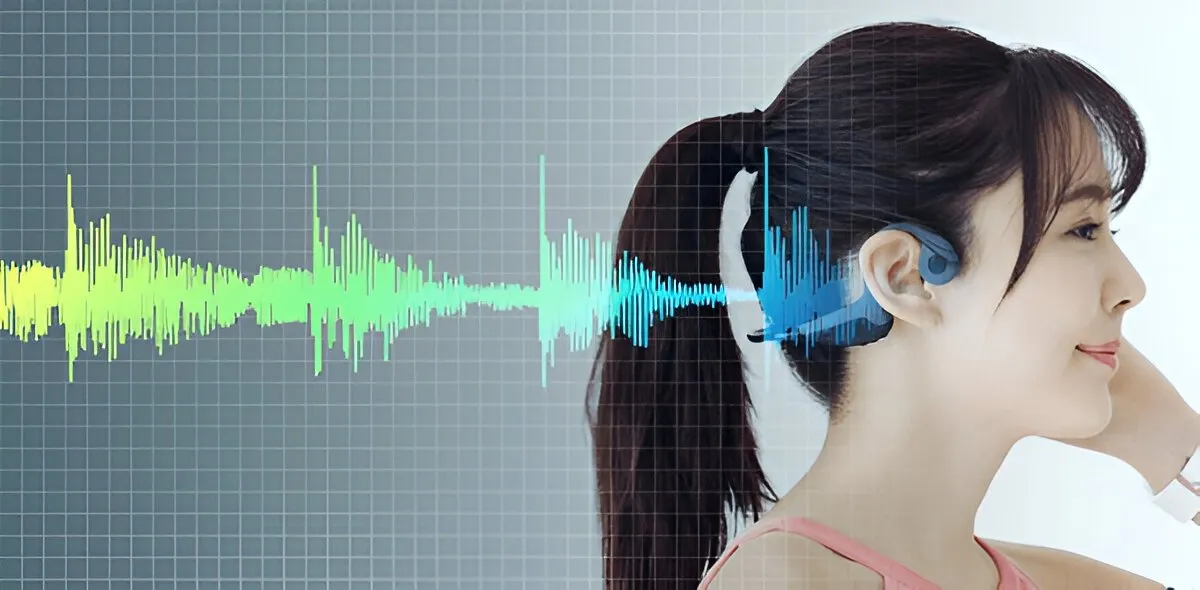
In the modern, hyper-connected business landscape, contact centers have evolved into global hubs. A customer in New York might be assisted by an agent in Manila, while a technical support query from London is routed to a specialist in Mumbai. While this globalized staffing model offers 24/7 support and cost-efficiency, it brings a significant challenge: the "communication friction" caused by background noise and accent barriers.
For years, these obstacles led to misunderstanding, extended Average Handle Times (AHT), and customer frustration. However, a new wave of artificial intelligence is changing the game. By leveraging call noise reduction AI and accent translation technologies, contact centers are now creating a seamless experience where the focus remains entirely on solving the customer’s problem.
The Cost of Communication Friction
In a contact center, every second counts. When an agent and a customer struggle to understand one another—whether due to a heavy regional accent or a noisy work environment—the effectiveness of the interaction plummets.
Background noise in a home office or a busy center can make an agent sound unprofessional and force the customer to repeat themselves multiple times. Similarly, accent barriers—even when both parties speak the same language fluently—can lead to cognitive fatigue and increased stress for both the agent and the caller. Ultimately, when communication becomes a struggle, Customer Satisfaction (CSAT) scores drop, and agent burnout rises.
Call Noise Reduction AI: Creating a Professional Studio Environment
The first step in clear communication is the removal of auditory distractions. Traditional noise-cancellation hardware is often insufficient for the modern remote or hybrid workforce. This is where call noise reduction AI steps in.
Modern AI-driven noise suppression models are trained to distinguish between human speech and non-human sounds. Whether it’s the hum of an air conditioner, the barking of a dog, or the chatter of other agents in a physical office, the AI filters these out in real-time.
By isolating the agent’s voice and eliminating environmental interference, the technology provides a high-definition audio experience. This ensures that the agent sounds like they are in a professional, quiet studio, regardless of their actual surroundings. The result is a more professional brand image and a reduction in the "Can you repeat that?" cycle that plagues many calls.
Accent Translation: The Human-Centric Approach to AI
Perhaps the most innovative advancement in contact center technology is the emergence of the AI harmonizer for speech. Unlike traditional language translation, which translates text or audio into a different language, accent translation (or "speech normalization") works within the same language to bridge the intelligibility gap.
The goal of accent translation is not to erase an agent’s identity or enforce a local accent. Instead, it is designed to adjust the acoustic and prosodic features of the speaker’s voice to make it more universally intelligible.
For example, if an agent has a specific regional cadence that a customer in a different region finds difficult to process, the AI harmonizer subtly adjusts the clarity, pacing, and pronunciation nuances in real-time. This allows the agent to maintain their natural speaking style while ensuring that the customer hears a version of the voice that is easier for their brain to decode. This technology dramatically lowers the cognitive load on the customer, leading to smoother interactions and higher first-call resolution rates.
The Power of the AI Harmonizer
The AI harmonizer acts as a bridge between diverse global teams and diverse global customers. By balancing the "acoustic signature" of the conversation, these tools solve the hidden problems that traditional quality assurance training often misses.
Key benefits of implementing these AI solutions include:
- Improved First Call Resolution (FCR): When customers understand the agent the first time, they are less likely to call back or escalate the issue.
- Reduced Average Handle Time: Clearer communication leads to faster comprehension, meaning agents can resolve issues more efficiently without rushing the customer.
- Enhanced Agent Confidence: Agents often feel anxious about being misunderstood. These tools act as a safety net, allowing them to focus on empathy and problem-solving rather than worrying about their pronunciation or background environment.
- Higher Customer Satisfaction: Customers value efficiency and clarity. A high-quality audio experience contributes significantly to the overall perception of the brand.
The Future of Global Customer Service
As AI continues to mature, we are moving toward a future where the physical location of the agent becomes irrelevant to the quality of the interaction. By combining call noise reduction AI to clean up the audio feed and accent translation to ensure clarity, contact centers can transcend geographical boundaries.
This technology does not replace the human element of customer service; rather, it amplifies it. By removing the technical and phonetic barriers that stand in the way, we allow the agent’s empathy, intelligence, and problem-solving skills to shine through. In the eyes of the customer, the "global" contact center is no longer a collection of disparate parts, but a unified, professional, and highly capable team.
For contact center leaders, the message is clear: investing in AI-driven communication tools is no longer a luxury—it is an essential strategy for delivering world-class service in a globalized world.