Comfortable Wound Healing in Your Home in Michigan: What Families Should Know
By Watson Walker
5 Views
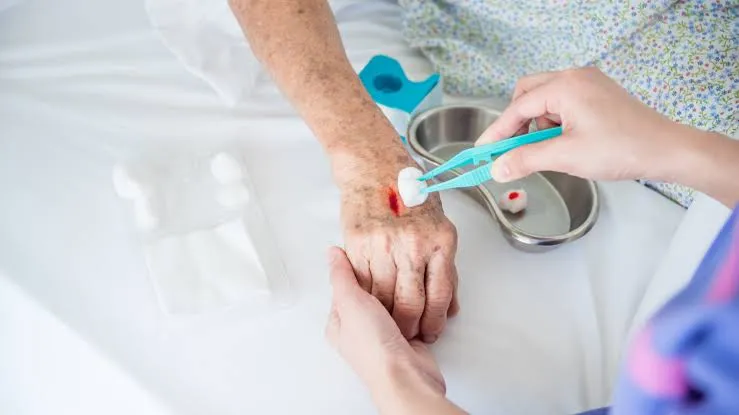
Recovering from a wound can be challenging, especially for older adults and people living with chronic health conditions. Frequent medical appointments, dressing changes, discomfort, and limited mobility can place pressure on both patients and their families. Comfortable wound healing in your home Michigan focuses on making recovery more manageable while ensuring that treatment remains guided by qualified healthcare professionals. With the right care plan, a clean home environment, and consistent monitoring, eligible patients may receive wound care without the stress of unnecessary travel. Understanding the process helps families provide better support while protecting their loved one's comfort, dignity, and overall health.
Understanding the Benefits of Wound Care at Home
Receiving wound care at home allows patients to remain in familiar surroundings while following a treatment plan suited to their medical needs. For seniors and individuals with mobility limitations, avoiding frequent trips to a clinic may reduce fatigue and make appointments easier to manage. Home visits can also help healthcare professionals understand practical challenges, such as difficulty reaching the wound, moving safely, or storing supplies. These observations may help the care team recommend useful adjustments to the patient's daily routine. However, home-based treatment is appropriate only when the wound and the patient's overall condition can be managed safely outside a medical facility.
Comfort involves more than being physically relaxed during a dressing change. Patients may feel anxious about pain, worried about slow progress, or embarrassed about needing assistance with personal care. A considerate healthcare professional explains each step, answers questions, and respects the patient's privacy throughout treatment. Family members can support this process by maintaining a calm environment and encouraging the patient to participate in decisions whenever possible. When patients understand their care plan and know what to expect, daily wound management may feel less overwhelming and more organized.
What Families Should Know About Chronic Wound Management at Home in Michigan
Common examples include pressure injuries, diabetic foot ulcers, venous leg ulcers, and wounds that remain open after surgery. Chronic wound management at home in Michigan is especially important for patients whose wounds take an extended time to heal or repeatedly reopen. These conditions may be affected by poor circulation, prolonged pressure, elevated blood sugar, infection, or nutritional deficiencies. Professional care typically involves evaluating the wound, selecting appropriate dressings, monitoring changes, and addressing underlying health concerns. Because chronic wounds can have several contributing causes, treatment should be based on an individual clinical assessment rather than a single approach for every patient.
Consistency is essential when managing a chronic wound. The healthcare professional may document the wound's size, depth, drainage, surrounding skin condition, and other characteristics to evaluate progress over time. Caregivers should follow the prescribed dressing schedule and avoid changing products or treatment methods without professional guidance. If a wound does not improve as expected, the care team may need to reassess the treatment plan or investigate possible complications. Regular communication helps ensure that changes are identified early and that the patient receives appropriate follow-up care.
Creating a Clean and Comfortable Home Care Environment
A well-prepared home can make wound care more convenient and help reduce avoidable problems during treatment. Choose a clean, well-lit area where the patient can rest comfortably while a caregiver or healthcare professional changes the dressing. Keep supplies organized and protected from dust, moisture, pets, and other potential sources of contamination. Make sure there is enough space for safe movement, especially if the patient uses a walker, wheelchair, or other mobility aid. These simple preparations can make appointments smoother and help caregivers maintain a consistent routine.
Personal comfort should remain a priority throughout recovery. Position the patient according to the care team's recommendations, provide privacy, and explain what will happen before assisting with dressing changes. If a dressing change causes significant pain, tell the healthcare professional so the treatment approach can be reviewed. Avoid using household products, herbal remedies, or unapproved creams on the wound, as these may irritate the tissue or interfere with prescribed treatment. Following clear instructions helps families provide support without unintentionally creating additional problems.
Nutrition, Mobility, and Daily Habits That Support Healing
Wound healing depends on more than the dressing placed over the injured area. The body needs adequate nutrition to repair tissue, and insufficient protein or other nutrients may interfere with recovery. Families can encourage balanced meals that include suitable sources of protein, vegetables, fruits, and other nutrient-rich foods. Fluid intake should also be appropriate for the patient's needs, particularly when a clinician has recommended restrictions because of heart, kidney, or other health conditions. If appetite is poor, weight is declining, or eating has become difficult, discuss these concerns with the healthcare team.
Movement and pressure management are equally important for many patients. People who remain in bed or sit for long periods may need assistance changing positions and protecting vulnerable areas of skin. Follow professional recommendations for repositioning, pressure-relieving cushions, suitable footwear, and safe mobility. Patients with diabetes should pay particular attention to foot care and report injuries or skin changes promptly, even when they do not feel pain. Small daily habits can contribute to a more supportive healing environment, but they should complement rather than replace professional wound treatment.
Recognizing Warning Signs and Knowing When to Seek Help
Families should monitor wounds for changes that could indicate infection or delayed healing. Increasing redness, warmth, swelling, worsening pain, unusual drainage, an unpleasant odor, or a wound that appears larger should be reported to a healthcare professional. Some older adults and people with nerve damage may have limited sensation, so the absence of pain does not always mean the wound is improving. Keep track of changes and share observations during follow-up appointments. Prompt communication can help the clinician decide whether the wound needs reassessment or a different treatment approach.
Certain symptoms require more urgent attention. Fever, chills, rapidly spreading redness, sudden confusion, or a marked decline in the patient's condition can signal a serious complication. Seek urgent medical evaluation when these symptoms occur, and call emergency services if the person appears severely ill or deteriorates rapidly. Deep wounds, uncontrolled bleeding, or exposed underlying structures may also require immediate medical care. Home wound management should never delay emergency treatment when the patient's condition suggests a serious problem.
Choosing Professional Wound Care for Your Family
When arranging home-based wound care, families should verify the provider's qualifications, experience, available services, and follow-up process. Ask who will assess the wound, who will perform dressing changes, and how the provider coordinates with the patient's primary care clinician. It is also useful to understand appointment availability, the expected frequency of visits, supply costs, and possible insurance requirements. Not every home care agency offers skilled wound treatment, so confirm that the service matches the patient's clinical needs. A trustworthy provider should explain the plan clearly and avoid guaranteeing a particular healing outcome.
Comfortable wound healing in your home Michigan is most effective when patients, caregivers, and qualified healthcare professionals work together. Families can help by following treatment instructions, maintaining a clean environment, encouraging suitable nutrition, and reporting concerning changes promptly. Patients should also feel comfortable asking questions and discussing pain, mobility challenges, or concerns about their care routine. With an individualized plan and consistent communication, home-based care may make recovery easier to manage for eligible patients. If a wound is persistent, worsening, or difficult to care for, consult a qualified healthcare professional to determine the safest next step.