How Drone Monitoring For Construction Sites In Georgia Saves Time & Money
By Roy James
130 Views
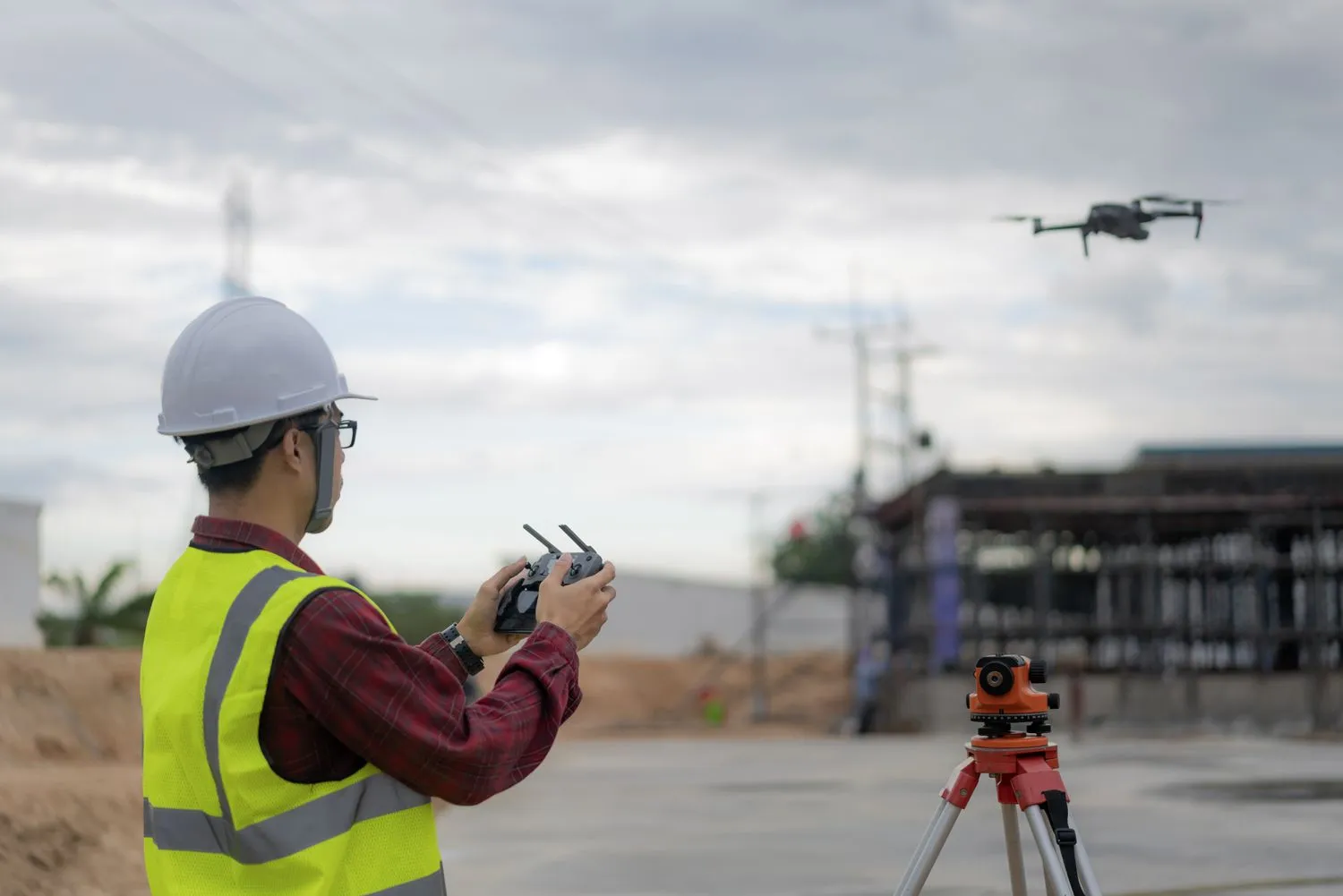
The construction business in Georgia is really active. It includes building tall buildings in Atlanta and big houses in the suburbs. As the construction business gets bigger, people need to find ways to manage their projects. They want to be safer and get things done faster. One thing that is really changing the construction business is the use of drones. Drones can now show what is happening on a project from the air.
This is changing how people like builders, developers, and construction teams monitor their projects. Drones are helping the construction teams in Georgia manage their construction projects.
The Rise of Drone Technology in Construction:
Over the past decade, drones have evolved from hobbyist gadgets into powerful industrial tools. In construction, they provide a bird’s‑eye view of sites, enabling managers to track progress, identify risks, and streamline workflows. For Georgia’s rapidly expanding construction sector, this technology is more than just a convenience; it’s becoming a necessity. Traditionally, site monitoring required manual inspections, survey teams, and costly equipment.
These methods were time‑consuming and often posed safety risks. Drones, however, can cover vast areas in minutes, capturing high‑resolution images and videos that reveal details invisible to the naked eye. This efficiency is why drone monitoring for construction sites in Georgia is gaining traction across the state.
Key Benefits of Drone Monitoring:
1. Enhanced Safety
Construction sites are inherently hazardous. Workers often face risks from heights, heavy machinery, and unstable structures. Drones reduce the need for personnel to enter dangerous zones. Instead of climbing scaffolding or inspecting rooftops manually, drones can capture detailed footage safely from above.
2. Accurate Progress Tracking
Project managers can use drones to document daily or weekly progress. This visual record ensures timelines are met and helps identify delays early. For large projects, such as highway expansions or commercial complexes, aerial monitoring provides clarity that ground inspections cannot.
3. Cost Efficiency
Errors and delays are expensive. By spotting issues early whether it’s a misaligned foundation or material misplacement drones help prevent costly rework. The savings in time and resources quickly outweigh the investment in drone services.
4. Data‑Driven Insights
Modern drones are equipped with advanced sensors that generate 2D maps, 3D models, and volumetric measurements. These insights are invaluable for planning, compliance, and reporting. Contractors can make informed decisions backed by precise data.
Applications Across Georgia’s Construction Sector:
Georgia’s diverse construction projects range from urban developments in Atlanta to infrastructure upgrades in rural areas.
Benefit from drone monitoring in unique ways:
Ø Land Surveying: Drones capture topographic data faster than traditional survey teams, reducing project kickoff times.
Ø Large‑Scale Monitoring: For highways, bridges, and industrial sites, drones provide comprehensive coverage in a fraction of the time.
Ø Compliance Documentation: Regulatory bodies often require detailed reports. Drone footage serves as reliable evidence of compliance.
Ø Stakeholder Communication: Investors and clients appreciate visual updates. Drone imagery makes complex progress reports easy to understand.
Ø Marketing: Developers use aerial visuals to showcase projects, attracting buyers and investors with cinematic perspectives.
It’s no surprise that drone monitoring for construction sites in Georgia is becoming a standard practice rather than an optional add‑on.
Technology Behind the Transformation
The effectiveness of drones lies in their advanced technology.
Today’s construction drones feature:
Ø High‑Resolution Cameras: Capable of capturing images up to 50 megapixels.
Ø 4K Video Recording: Smooth, detailed footage for documentation and marketing.
Ø Extended Flight Times: Up to 45 minutes per charge, covering large sites efficiently.
Ø Long‑Range Connectivity: With ranges of 10–20 kilometers, drones can monitor expansive projects without interruption.
Ø Thermal Imaging: Useful for detecting heat leaks, electrical issues, or structural weaknesses.
These features allow contractors to gather precise data, create 3D models, and even simulate project outcomes before construction begins.
Real‑World Impact in Georgia
Consider a residential development outside Atlanta. Traditionally, surveying the land and monitoring progress would require multiple teams, weeks of effort, and high costs. With drones, developers can survey the land in hours, track construction daily, and share updates with stakeholders instantly. This efficiency accelerates timelines and reduces overhead.
Similarly,
Infrastructure projects such as highway expansions benefit from aerial
monitoring. Drones can cover miles of roadway, identifying bottlenecks, safety
hazards, and environmental impacts. For a state like Georgia, where
infrastructure is critical to economic growth, drone technology ensures
projects are completed faster and safer.
Local Expertise
Among the providers offering drone solutions, Precision Aerial Services stands out for its FAA‑certified expertise. Their team specializes in aerial photography, videography, and site surveys, delivering reliable data and cinematic visuals. For contractors and developers in Georgia, partnering with such professionals ensures that drone monitoring is not only effective but also compliant with regulations.
The Future of Drone Monitoring
Looking ahead, drones will become even more integrated into construction workflows. Emerging technologies such as AI‑powered analytics, automated flight paths, and real‑time cloud integration will enhance their capabilities. Imagine drones that not only capture footage but also analyze it instantly, flagging potential issues before they escalate.
Georgia construction industry, this means smarter projects, safer sites, and
more satisfied stakeholders. As competition grows, companies that embrace drone
technology will gain a significant edge.
Challenges and Considerations:
While the best drones offer immense benefits in the USA.
There are challenges to consider:
Ø Regulatory Compliance: FAA regulations govern drone usage. Contractors must ensure operators are certified.
Ø Weather Limitations: Heavy rain or strong winds can affect drone performance.
Ø Data Management: The sheer volume of imagery and video requires efficient storage and analysis systems.
Ø Privacy Concerns: Drones must be operated responsibly to avoid infringing on neighboring properties.
Despite these challenges, the advantages far outweigh the drawbacks, making drone monitoring for construction sites in Georgia a future‑proof investment.
Conclusion
Drone monitoring is revolutionizing construction across Georgia. By improving safety, enhancing efficiency, and delivering precise data, drones empower contractors to manage projects more effectively. Whether it’s surveying land, tracking progress, or communicating with stakeholders, drones provide solutions that traditional methods cannot match. The adoption of drone monitoring for construction sites in Georgia is not just a trend—it’s a strategic move toward smarter, safer, and more profitable construction.