Smarter Communication Starts with Interactive Displays
By Specktron
138 Views
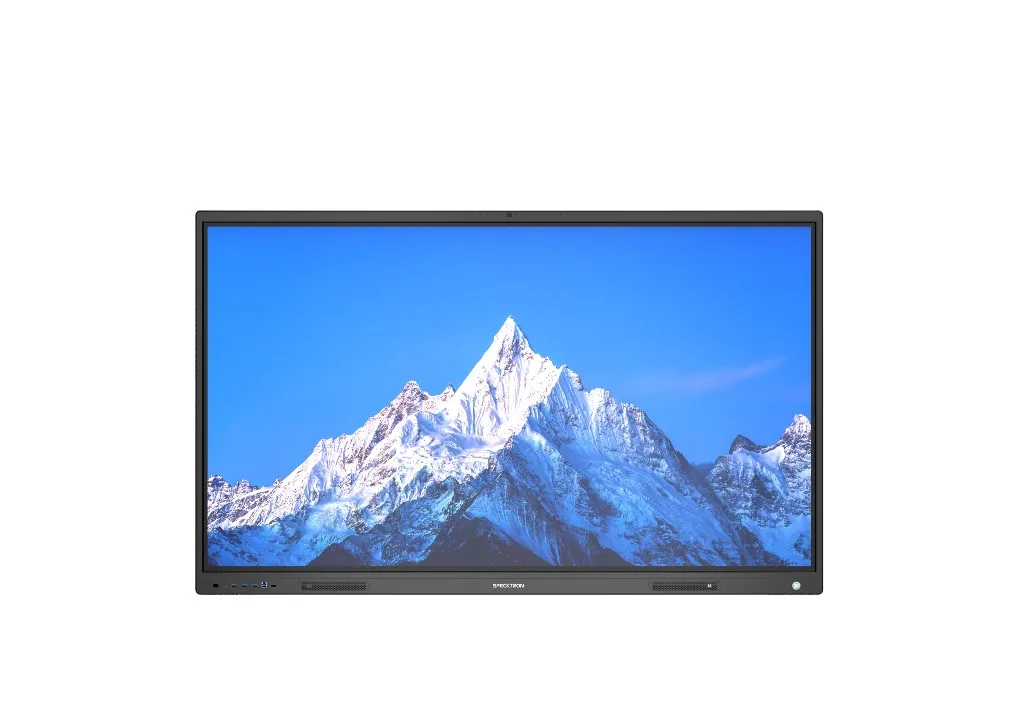
Communication is the foundation of every successful organization, classroom, and business. Whether sharing ideas during a meeting, teaching students in a classroom, or presenting information to customers, effective communication helps people understand, collaborate, and achieve better results. As technology continues to evolve, traditional communication tools are no longer enough to meet the needs of modern workplaces and learning environments. This is where interactive displays are making a significant impact.
Interactive displays combine advanced touchscreen technology, high-quality visuals, and collaboration features into a single solution. They help people communicate more clearly, engage more effectively, and work together more efficiently. From corporate boardrooms to educational institutions, interactive displays are becoming an essential part of modern communication strategies.
Understanding Interactive Displays
An interactive display is a large touchscreen device that allows users to interact directly with content displayed on the screen. Unlike traditional projectors or standard monitors, interactive displays enable users to write, draw, annotate documents, navigate applications, and collaborate in real time.
These displays often support multiple touch points, allowing several users to interact with the screen simultaneously. Many models also include wireless screen sharing, video conferencing integration, digital whiteboarding, and cloud connectivity, making communication more dynamic and productive.
Why Communication Needs to Evolve
Modern organizations face communication challenges that did not exist a few years ago. Hybrid work environments, remote teams, digital learning, and fast-paced business operations require tools that support instant collaboration and information sharing.
Traditional communication methods often create barriers such as:
- Limited audience engagement
- Difficulty sharing ideas visually
- Inefficient collaboration during meetings
- Challenges connecting remote participants
- Lack of real-time interaction
Interactive displays address these challenges by creating an engaging environment where communication becomes more visual, collaborative, and effective.
Enhancing Workplace Collaboration
One of the greatest advantages of interactive displays is their ability to improve teamwork and collaboration. In today's workplace, employees need to share ideas quickly and work together regardless of location.
Interactive displays allow teams to:
- Brainstorm ideas in real time
- Edit and annotate documents instantly
- Share presentations wirelessly
- Collaborate on projects during meetings
- Connect with remote team members seamlessly
Instead of relying on multiple devices and disconnected tools, employees can use a single interactive display as a central collaboration hub. This improves efficiency and ensures everyone remains engaged throughout discussions.
Making Meetings More Productive
Meetings are an important part of business communication, but they can often become unproductive when participants struggle to follow discussions or contribute effectively.
Interactive displays help create more engaging meetings by allowing presenters to interact directly with content. Team members can highlight important information, make notes, and contribute ideas immediately.
Benefits of interactive displays during meetings include:
- Better audience engagement
- Faster decision-making
- Improved idea sharing
- Real-time annotations
- Easier content management
When participants can actively engage with information instead of simply watching a presentation, meetings become more productive and meaningful.
Transforming Education Through Interactive Learning
Interactive displays are revolutionizing the education sector by making learning more engaging and interactive. Traditional teaching methods often involve one-way communication, where teachers present information while students listen.
Interactive displays encourage active participation by allowing students to interact with lessons directly. Teachers can integrate multimedia content, educational apps, videos, and digital whiteboards into their teaching methods.
Key benefits for education include:
Increased Student Engagement
Visual and interactive content captures students' attention and encourages participation. Students are more likely to stay focused and retain information when learning becomes interactive.
Better Collaboration
Students can work together on projects, solve problems as a group, and participate in classroom activities using the interactive display.
Flexible Learning
Interactive displays support various learning styles, including visual, auditory, and hands-on learning approaches.
Improved Understanding
Complex concepts become easier to explain through interactive diagrams, videos, and real-time demonstrations.
Supporting Hybrid and Remote Communication
The rise of hybrid work and remote learning has increased the need for effective communication tools. Interactive displays help bridge the gap between in-person and remote participants.
Many interactive displays integrate with popular video conferencing platforms, allowing teams and students to collaborate regardless of location. Remote participants can view presentations, contribute ideas, and interact with shared content in real time.
This creates a more inclusive communication experience and ensures everyone remains connected and engaged.
Delivering More Impactful Presentations
Presentations play an important role in business communication, sales meetings, training sessions, and educational environments. Interactive displays help presenters create more engaging experiences by allowing direct interaction with content.
Presenters can:
- Highlight key points instantly
- Draw diagrams during discussions
- Zoom into important details
- Navigate content smoothly
- Encourage audience participation
These features help keep audiences engaged and improve information retention.
Simplifying Information Sharing
In many organizations, information sharing can become complicated when multiple devices, cables, and software platforms are involved. Interactive displays simplify this process through wireless connectivity and user-friendly interfaces.
Users can quickly share content from laptops, tablets, and smartphones without technical difficulties. This saves time and allows discussions to focus on ideas rather than technology issues.
Improving Communication Across Industries
Interactive displays are being adopted across various industries because of their versatility and effectiveness.
Corporate Offices
Businesses use interactive displays for meetings, project collaboration, training sessions, and executive presentations.
Education
Schools, colleges, and universities use them to create engaging learning environments and improve student participation.
Healthcare
Healthcare professionals use interactive displays for training, patient education, and collaborative discussions.
Retail
Retail businesses use interactive displays to enhance customer experiences and provide product information.
Government and Public Sector
Government organizations use interactive displays for presentations, information sharing, and public engagement initiatives.
Future-Proofing Communication Strategies
As organizations continue to embrace digital transformation, communication technologies must evolve to support changing needs. Interactive displays provide a future-ready solution that combines collaboration, communication, and technology into one powerful platform.
Their ability to support hybrid work, digital learning, remote collaboration, and real-time interaction makes them a valuable investment for organizations seeking long-term communication improvements.
Conclusion
Smarter communication starts with the right tools, and interactive displays are proving to be one of the most effective solutions available today. They transform the way people share ideas, collaborate on projects, conduct meetings, and deliver educational experiences.
By combining touchscreen functionality, visual engagement, and collaboration capabilities, interactive displays create more productive, interactive, and connected environments. Whether used in corporate offices, classrooms, healthcare facilities, or public spaces, these innovative solutions help organizations communicate more effectively and achieve better outcomes.
As communication continues to evolve, interactive displays will play an increasingly important role in helping people connect, collaborate, and succeed in a digital world.