Sounder Strobe for Control Panel: Key Considerations for Effective Industrial Alarm Planning
By mimic products
9 Views
Industrial equipment often operates through a combination of electrical controls, automated sequences, sensors, and monitoring systems. When something goes outside its expected operating range, workers need a clear way to recognize the condition and determine what action is necessary. A well-designed alarm arrangement helps communicate these changes without requiring operators to watch every machine continuously.
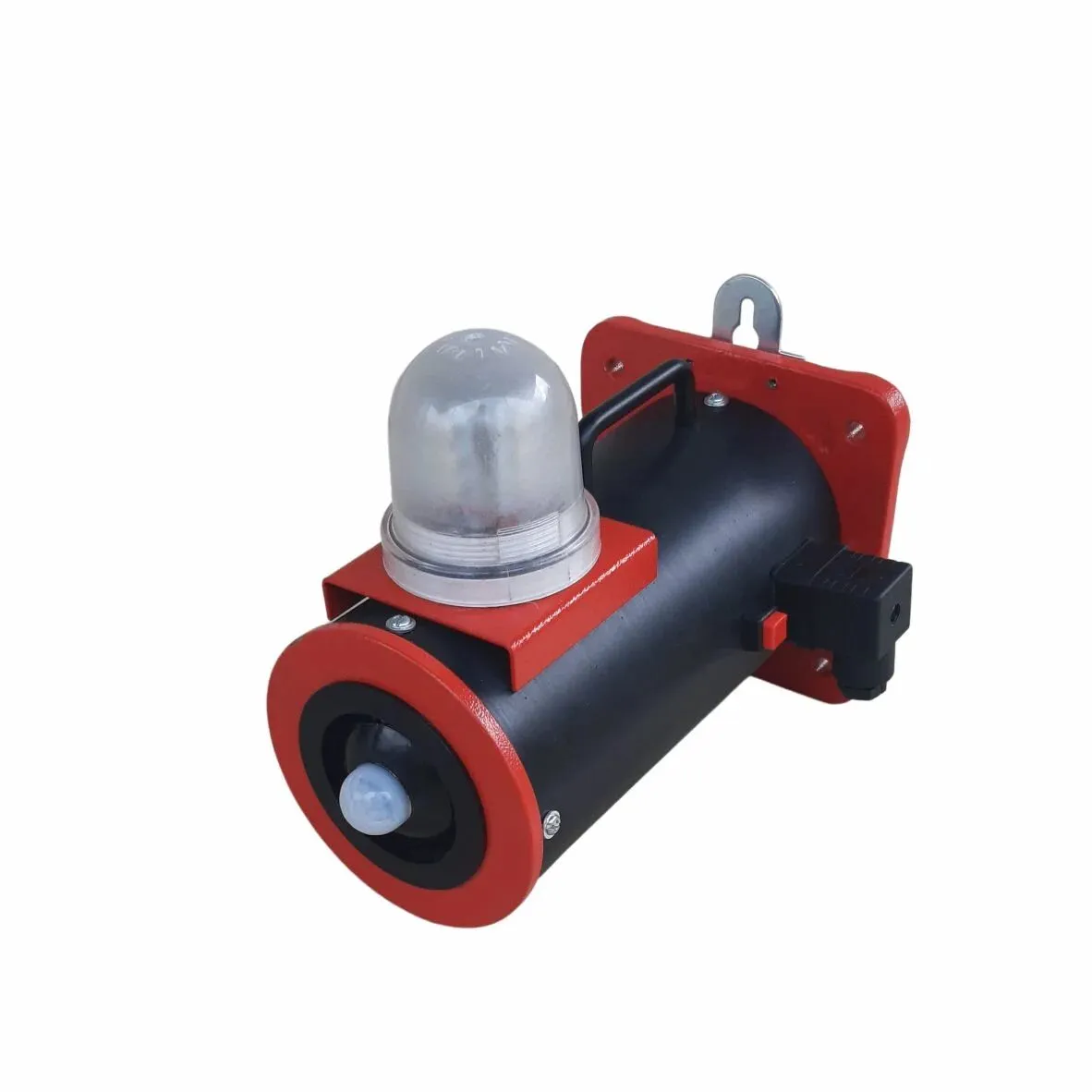
A sounder strobe for control panel installations combines an audible warning with a flashing visual signal. This arrangement can help attract attention in busy workplaces where machinery noise, multiple processes, and competing tasks may make individual indicators easier to overlook.
However, an effective warning system involves more than installing an alarm device. Understanding the application, choosing suitable specifications, and planning how people respond to alerts are equally important.
Why Industrial Control Panels Need Clear Warning Signals
Control panels provide a central point for managing electrical equipment and automated processes. Operators may use them to monitor machine status, review faults, and control different stages of production.
When an abnormal condition occurs, an alarm can help distinguish it from routine operating information. For example, a motor protection relay may detect an overload, a sensor may identify an unexpected process value, or a controller may register a machine stoppage.
An audible signal can notify personnel who are not looking at the panel, while a flashing light provides a visual indication of the alert. Together, these signals can improve awareness when the device is appropriately positioned and configured.
The warning itself does not establish the cause of a problem. Operators still need to consult the control system, follow the appropriate procedure, and determine whether the equipment can safely resume operation.
How Sound and Light Work Together
Audible and visual signals address different challenges in the workplace.
Audible notification
helps attract attention when personnel are working away from a control panel or concentrating on another task. Its effectiveness depends on background noise, distance, and the hearing conditions of the intended audience.
Visual notification
provides a flashing indication that can be noticed within the relevant viewing area. Its effectiveness depends on lighting conditions, mounting position, viewing angle, and obstructions.
Using both methods creates an additional opportunity for an alert to be recognized. Nevertheless, a warning device should be selected and positioned according to the actual environment. A signal that works well in a quiet electrical room may not be sufficient on a noisy production floor.
Applications in Modern Industrial Facilities
1. Machine status monitoring
Manufacturing equipment may stop because of a detected fault, an interrupted sequence, or a protective device operating. A warning signal can direct the operator's attention toward the affected machine and its control interface.
2. Electrical distribution systems
Control cabinets may include relays and monitoring components that detect electrical abnormalities. Where the system design calls for an external warning, a sounder and flashing indicator can communicate that an alarm condition has occurred.
3. Process monitoring
Facilities that manage temperature, pressure, fluid levels, or other process variables may use sensors connected to an alarm controller. When a defined limit is exceeded, the system can activate a suitable signaling device.
4. Utility and pump installations
Pumps, motors, and associated control equipment may require alerts for operational interruptions or conditions identified by monitoring circuits. The warning helps notify personnel who can then investigate the reported issue.
In each application, the alarm should correspond to a clearly defined condition. Unclear or excessive alerts can make it harder for operators to distinguish important warnings from routine events.
Choosing the Right Environmental Protection
The location of an alarm can influence which enclosure rating is appropriate. Indoor electrical rooms, dusty production areas, and outdoor installations can present very different environmental challenges.
An IP 66 sounder is designed to provide complete protection against dust and protection against powerful water jets under specified test conditions. This rating can be relevant in suitable industrial environments where airborne dust or water exposure needs to be considered.
It does not, however, guarantee suitability for every application. Chemical contact, immersion, extreme temperatures, and other special conditions may require additional verification. Buyers should review the manufacturer's documentation and confirm that the complete installation meets the site's requirements.
Cable entries, mounting methods, connectors, and enclosure closures should also be installed according to the manufacturer's instructions to maintain the intended level of protection.
Important Specifications to Review Before Buying
Selecting a warning device becomes easier when requirements are established before comparing available models.
- Operating voltage: Confirm the supply type and voltage required by the control circuit.
- Sound output: Evaluate whether the signal can be recognized under normal working noise conditions.
- Light visibility: Check the visibility of the flashing indicator from relevant operator positions.
- Enclosure rating: Match environmental protection to the location where the unit will be installed.
- Mounting requirements: Confirm that the available space and mounting arrangement suit the device.
- Control compatibility: Check relay outputs, switching arrangements, connections, and alarm activation requirements.
- Operating limits: Review the specified temperature range and other environmental restrictions.
- Maintenance access: Consider whether the device can be inspected and tested conveniently.
These factors should be assessed together. A device with the correct voltage may still be unsuitable if its sound cannot be recognized or its enclosure does not meet the installation conditions.
What Is the Difference Between a Combined Alarm and Separate Indicators?
A combined sounder strobe places the audible and visual outputs within one unit. This arrangement can simplify installation when both signals are required in the same area.
Separate devices can provide greater flexibility when sound must cover a wider area but the visual indicator needs to be located close to a particular machine or panel. Separate components may also suit systems that require independent control of different warning signals.
The decision depends on the layout, alarm logic, available mounting space, wiring requirements, and maintenance strategy. For important safety-related functions, the designer should consider possible component failures and ensure that required protective measures remain effective.
Installation and Maintenance for Consistent Performance
Correct installation helps ensure that the warning can be recognized when it is needed. The device should be positioned with consideration for workers' normal locations, background noise, lighting, and possible obstructions.
Electrical connections must follow the specified wiring arrangement, and the alarm should be linked to the intended control condition. Operators should also understand what each signal means and which procedure applies when it activates.
Routine maintenance should include:
- Inspecting the enclosure and mounting for visible damage.
- Checking wiring and connections for deterioration.
- Testing the audible and visual outputs according to the manufacturer's instructions.
- Verifying that the connected control circuit activates the correct alarm.
- Recording faults, inspections, and corrective actions.
A device may function correctly during a manual test while the connected sensor or relay fails to trigger it as expected. Testing the complete alarm arrangement helps identify problems that would otherwise remain unnoticed.
Frequently Asked Questions
What is the main purpose of a sounder strobe for control panel installations?
Its purpose is to communicate an alarm through sound and flashing light, helping operators notice a monitored fault or abnormal condition.
Can a sounder strobe be used in outdoor locations?
Some models may be suitable for outdoor use, but suitability depends on their specifications, environmental rating, temperature limits, and installation requirements. The manufacturer's documentation should be checked before selection.
Does IP66 protection mean a device is waterproof in every situation?
No. IP66 covers specified dust and water-jet protection tests. It does not automatically establish suitability for immersion, chemicals, or every harsh environment.
How do I determine whether the sound level is sufficient?
Consider background noise, the distance between the device and personnel, and the need for the alarm to be clearly distinguishable. Follow applicable workplace requirements and the manufacturer's specifications.
Should audible and visual alarms always activate together?
Not necessarily. The required operation depends on the alarm function and control-system design. Some applications benefit from simultaneous signals, while others need independently controlled outputs.
Conclusion
An effective industrial warning arrangement helps operators recognize abnormal conditions and respond according to established procedures. A sounder strobe for control panel applications offers a practical combination of audible and visual notification, but its performance depends on appropriate specifications, correct installation, and regular testing.
Environmental conditions also deserve attention when selecting equipment. An IP66 sounder may be appropriate for certain dust- and water-jet-exposed locations, provided the complete product specification matches the intended use.
For further technical reference, visit the IP66 audio warning alarms. Compare the available information with your control circuit, working environment, and alarm requirements before choosing a device.