What Are Polythene Gloves Used For? Key Applications Explained
By glove1
129 Views
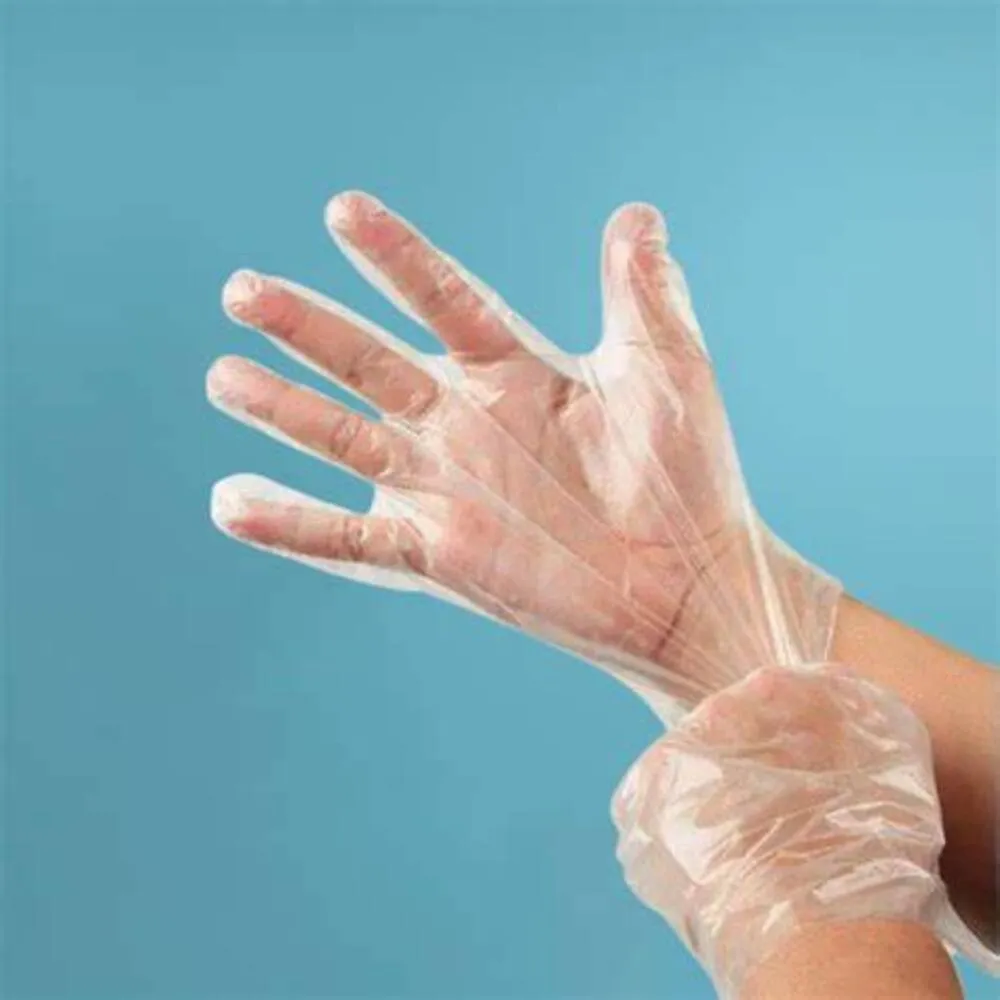
Polythene Gloves are one of the most widely used disposable gloves across multiple industries. Lightweight, affordable, and easy to use, they serve as a practical barrier between hands and products, surfaces, or materials that require hygienic handling. While they may look simple, their role in day-to-day operations is far more important than many people realize.
From food preparation counters to healthcare support tasks, Polythene Gloves help reduce contamination risks, improve workflow efficiency, and support hygiene compliance. Their loose fit and quick-change design make them especially useful in fast-paced environments where gloves need to be changed frequently.
This article explores the main uses of Polythene Gloves, where they work best, and what businesses should consider when choosing them.
What Are Polythene Gloves?
Polythene gloves are disposable gloves made from polyethylene, a lightweight plastic material known for flexibility and moisture resistance. They are typically transparent or slightly translucent and are designed for short-term, low-risk tasks.
Unlike nitrile or latex gloves, polythene gloves are not intended for high-precision or heavy-duty work. Instead, they are ideal for quick tasks where hygiene and convenience matter more than durability or tactile sensitivity.
Key features of Polythene Gloves include:
- Lightweight construction
- Cost-effective pricing
- Easy slip-on design
- Loose fit for fast removal and replacement
- Suitable for single-use applications
Because they are economical and simple to distribute, many businesses purchase them in bulk for daily operational needs.
Key Applications of Polythene Gloves
1. Food Handling and Catering
One of the most common uses of Polythene Gloves is in food service. Restaurants, bakeries, cafeterias, street food vendors, and catering companies rely on disposable gloves to maintain hygiene standards.
These gloves are particularly useful for:
- Preparing sandwiches, salads, and baked goods
- Serving ready-to-eat meals
- Handling fruits and vegetables
- Portioning ingredients
- Preventing direct hand contact with food
Since food workers often switch between tasks, polythene gloves allow quick glove changes without slowing down service.
Their affordability also makes them practical for businesses with high glove consumption rates. Instead of using more expensive glove materials for simple food handling, many operations choose Polythene Gloves as a cost-efficient solution.
2. Retail and Supermarkets
Retail businesses use polythene gloves in several customer-facing and back-end functions.
Common examples include:
- Deli counters
- Meat and seafood handling
- Bakery service areas
- Fresh produce sections
- Convenience food packaging
Supermarket staff often need gloves for temporary handling tasks where contamination prevention is important but high chemical or puncture resistance is unnecessary.
For example, bakery employees may use Polythene Gloves while packaging bread or pastries to maintain cleanliness and reassure customers about hygiene.
3. Healthcare and Care Support
While polythene gloves are not a replacement for medical examination gloves, they are commonly used in non-invasive healthcare tasks.
Typical applications include:
- Basic hygiene assistance
- Cleaning duties
- Waste handling
- Changing bedding or disposable materials
- Low-risk patient support tasks
Care homes, clinics, and support facilities may use Polythene Gloves for general housekeeping or routine handling tasks where minimal protection is required.
It is important to note that for procedures involving bodily fluids, chemicals, or infection control risks, more protective glove types such as nitrile are generally preferred.
4. Cleaning and Janitorial Services
Cleaning teams often use polythene gloves for light cleaning or short-duration tasks.
Suitable tasks include:
- Dusting
- Surface wiping
- Trash collection
- Restroom restocking
- General housekeeping
Because these gloves are quick to put on and remove, they are convenient when staff need temporary hand coverage.
For harsher cleaning chemicals, however, stronger glove materials should be selected. Polythene Gloves are best suited for low-risk environments where splash resistance and basic cleanliness are sufficient.
5. Beauty and Personal Care
Salons, spas, and cosmetic businesses also use disposable gloves for selected treatments and hygiene tasks.
Applications may include:
- Hair coloring preparation
- Product application
- Towel handling
- Cleaning tools or surfaces
- Customer service hygiene tasks
In environments where frequent glove changes are necessary, Polythene Gloves provide an affordable option for maintaining cleanliness without increasing operational costs.
Their smooth surface and simple design also make them easy to distribute at workstations.
6. Manufacturing and Light Industrial Use
Some light manufacturing environments use polythene gloves to protect products from oils, fingerprints, or contamination.
Examples include:
- Electronics assembly packaging
- Component sorting
- Product inspection
- Packing finished goods
- Handling sensitive surfaces
In these cases, the purpose is often to protect the product rather than the worker.
Manufacturers appreciate Polythene Gloves because they help maintain presentation standards while supporting efficient production workflows.
Benefits of Using Polythene Gloves
Businesses choose Polythene Gloves for several practical reasons.
Cost Efficiency
Polythene gloves are among the most economical disposable glove options available. This makes them ideal for organizations that require high-volume glove usage.
Convenience
Their loose fit allows users to quickly put them on or remove them. This is especially helpful in fast-paced settings such as food service or retail.
Hygiene Support
Single-use gloves reduce the risk of transferring contaminants between hands, products, and surfaces.
Easy Bulk Storage
Because they are lightweight and compact, businesses can store large quantities without requiring significant space.
Choosing the Right Polythene Gloves
Not all disposable gloves are the same. When selecting Polythene Gloves, businesses should consider:
- Thickness and durability
- Food-safe certification
- Size and fit options
- Packaging format
- Regulatory compliance requirements
A reliable supplier should offer consistent quality, dependable stock availability, and product specifications suited to your industry.
For businesses focused on hygiene-sensitive operations, sourcing quality Polythene Gloves is just as important as choosing the right application.
Final Thoughts
Although simple in design, Polythene Gloves play an essential role in hygiene, convenience, and cost control across many industries. Their value lies in practicality. They are not built for every task, but for short-term, low-risk applications, they remain one of the most efficient disposable glove solutions available.
From food preparation and retail service to cleaning and light manufacturing, Polythene Gloves continue to support businesses that need reliable hand protection without unnecessary expense.
Pabrik sarung tangan: Mitrasaruta - Choosing the right gloves for the right job helps improve operational efficiency, maintain cleanliness standards, and create a safer environment for staff and customers alike.
Related Reading
Chemical Characterization: Building Confidence in Scientific Results
Every material has a story written into its structure, composition, and behavior...
The Global 3D Secure 2.0 (3DS 2.0) Payer Authentication Market Is Projected To Grow At A Steady 15.4% CAGR Between 2026 And 2030
The Business Research Company’s 2026 market reports incorporate enhanced f...