Category

Home Improvement

Comprehensive discussions and expert insights revolving around home improvement trends and best practices.

Aug 18, 2026 50 Reads

Hot Water Tanks Sherwood Park: Complete Guide

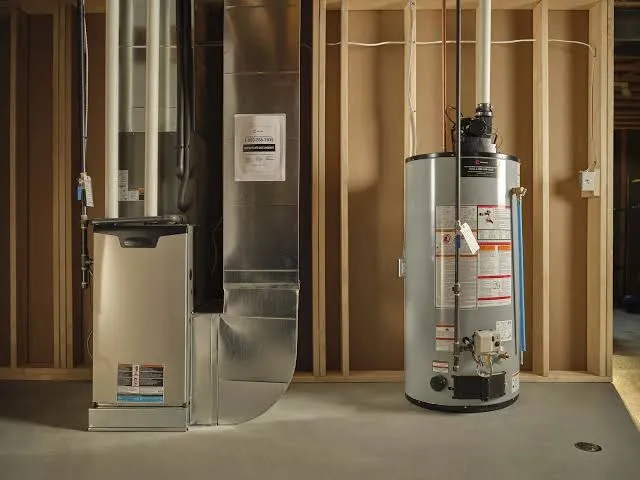
IntroductionThere's nothing quite like the shock of stepping into a cold shower on a January morning in Sherwood Park. For most homeowners, a hot water tank is one of those appliances you never think about until it stops working. Whether you're dealing with a leaking tank, rusty water, or simply planning ahead for a replacement, understanding your options for hot water tanks in Sherwood Park can save you money, stress, and unexpected downtime.In this guide, you'll learn how hot water tanks work, the warning signs that indicate it's time for a replacement, what factors affect installation costs, and how local plumbing issues like Poly-B piping and sewer line problems can tie into your overall home plumbing health. We'll also touch on related concerns homeowners in the Edmonton area often ask about, including Poly-B replacement in Edmonton, backwater valves, and sewer line repairs.Why Hot Water Tanks Matter More Than You ThinkA hot water tank isn't just a convenience it's a core piece of home infrastructure that affects daily comfort, water efficiency, and even property value. Alberta's cold climate puts extra strain on water heating systems, since incoming groundwater temperatures are lower than in warmer regions. This means tanks in Sherwood Park and the greater Edmonton area often work harder than those in milder climates, which can shorten their functional lifespan if not properly maintained.Most residential hot water tanks last between 8 and 12 years, depending on water quality, usage patterns, and maintenance history. Hard water, which is common in parts of Alberta, can accelerate sediment buildup inside the tank, reducing efficiency and increasing the risk of early failure.Signs You Need a Hot Water Tank Replacement in Sherwood ParkRecognizing the early warning signs of a failing tank can help you avoid a sudden, inconvenient breakdown. Here are the most common indicators:1. Age of the UnitIf your tank is nearing or past the 10-year mark, it's worth having a professional inspect it, even if it seems to be functioning normally. Most manufacturers stamp a production date on the tank, usually near the top.2. Rusty or Discolored WaterDiscoloration, especially when only the hot water is affected, often points to internal corrosion. This is a strong signal that a hot water tank replacement in Sherwood Park may be needed soon, since a corroded tank can fail without much warning.3. Unusual NoisesRumbling, popping, or cracking sounds coming from the tank usually mean sediment has built up at the bottom. Over time, this buildup causes the heating element or burner to work harder, reducing efficiency and increasing wear.4. Inconsistent Water TemperatureIf your showers fluctuate between hot and lukewarm, the tank's heating element or thermostat may be failing.5. Water Pooling Near the TankAny visible moisture or pooling around the base of the tank is a serious concern. It often indicates a crack in the tank itself, which cannot be repaired only replaced.6. Rising Energy BillsAn aging tank loses efficiency over time. If your utility bills are climbing without a change in usage habits, your water heater could be part of the problem.Choosing the Right Replacement TankWhen it's time to replace your unit, homeowners in Sherwood Park typically choose between a few main options:Conventional storage tank water heaters – The most common and budget-friendly option, available in gas and electric models.Tankless (on-demand) water heaters – These heat water only as needed, offering energy savings and a smaller footprint, though the upfront cost is higher.Hybrid heat pump water heaters – Increasingly popular for their efficiency, though performance can be affected by installation location in colder climates.A licensed plumber can help assess your household's hot water demand, existing plumbing configuration, and budget to recommend the right fit.How Local Plumbing Conditions Affect Your Hot Water SystemYour hot water tank doesn't operate in isolation it's connected to your home's broader plumbing system. Several common issues in the Edmonton region can directly or indirectly affect your water heater's performance and lifespan.Poly-B Piping ConcernsMany homes built between the 1970s and mid-1990s in the Edmonton area, including parts of Sherwood Park, were plumbed with polybutylene (Poly-B) piping. This material is prone to becoming brittle over time and is a known insurance risk in Alberta. If your home still has Poly-B lines feeding into your water heater, Poly-B replacement in Edmonton is often recommended alongside a tank replacement, since accessing the plumbing during a water heater swap can be a practical time to update aging pipes.Backwater ValvesA properly functioning backwater valve (sometimes searched as backwater valve Edmonton) prevents sewage from backing up into your home during heavy rain or municipal sewer surges. While not directly connected to your hot water tank, a comprehensive plumbing inspection often performed by a Core Edmonton plumber will typically review both your water heating system and your backwater protection as part of a full-home assessment.Sewer Line HealthOlder homes may also be due for Edmonton sewer line replacement, particularly if tree root intrusion or pipe corrosion has caused recurring drain issues. For businesses in the area, commercial sewer repair in Edmonton is a related service that larger properties or multi-unit buildings may need to budget for. While these are separate systems from your water heater, many local plumbing companies offer bundled inspections that cover tanks, supply lines, and drainage together giving homeowners a clearer picture of their overall plumbing health.Real-Life Example: A Sherwood Park Homeowner's ExperienceConsider a typical scenario: a homeowner in Sherwood Park noticed their water heater was making rumbling noises and taking longer to produce hot water. After a plumber's inspection, it turned out the tank was 11 years old, packed with sediment, and starting to corrode at the base. During the same visit, the plumber flagged aging Poly-B piping feeding the unit.Rather than replacing just the tank, the homeowner opted to have the Poly-B section near the water heater updated to PEX piping at the same time avoiding a second service call and reducing the risk of a future leak. This kind of proactive, combined approach is increasingly common, since it saves on labor costs and minimizes disruption.Pros and Cons of Replacing vs. Repairing Your Hot Water TankRepairing Your TankPros: Lower upfront cost; suitable for minor issues like a faulty thermostat or heating element.Cons: Doesn't address underlying corrosion or age-related wear; may lead to repeat service calls.Replacing Your TankPros: Improved energy efficiency; manufacturer warranty; peace of mind against sudden leaks.Cons: Higher upfront investment; may require updates to venting, piping, or electrical connections depending on the new unit.For tanks under 6 years old with an isolated issue, repair is often the more sensible choice. For anything older, or where corrosion is visible, replacement is generally the safer long-term investment.Frequently Asked QuestionsHow long does a hot water tank installation take? A standard like-for-like tank swap typically takes 2–4 hours. Installations involving venting changes, electrical upgrades, or piping repairs (such as Poly-B replacement) can take longer.What size hot water tank do I need? Tank size depends on household size and usage. A general guideline is 40 gallons for 2–3 people, and 50+ gallons for larger households, though a plumber can calculate exact demand based on fixtures and simultaneous usage.Can I install a hot water tank myself? While some provinces allow homeowner installations under certain conditions, gas-fired units typically require a licensed gas fitter, and electrical connections should be handled by a qualified technician to meet Alberta building codes.Is now a good time to also check for Poly-B piping? Yes. If your home was built during the era when Poly-B was common, a tank replacement is a practical opportunity to inspect and potentially replace vulnerable sections of pipe.How much does a hot water tank replacement cost in Sherwood Park? Costs vary based on tank size, fuel type, and installation complexity, but homeowners should expect a range that reflects both the unit itself and labor. Getting a written quote from a local plumber is the best way to get an accurate number for your specific home.ConclusionA reliable hot water tank is easy to take for granted until it fails. Watching for early warning signs like rusty water, strange noises, or inconsistent temperatures can help Sherwood Park homeowners avoid emergency replacements and plan ahead with confidence. And since your water heater is just one part of a connected plumbing system, it's worth considering related concerns like Poly-B piping, backwater valves, and sewer line condition during any major plumbing work.If your hot water tank is showing signs of age or you're unsure whether repair or replacement makes sense, don't wait for a leak to force the decision. Reach out to a trusted local plumber for an inspection, get a clear quote, and take the guesswork out of your home's hot water needs. Have a hot water tank story or question of your own? Share it in the comments below your experience might help another homeowner in the area make the right call.

k
kingstree Plumbing
Aug 14, 2026 49 Reads

How Do Heater Installation Services Support Efficient Heating?

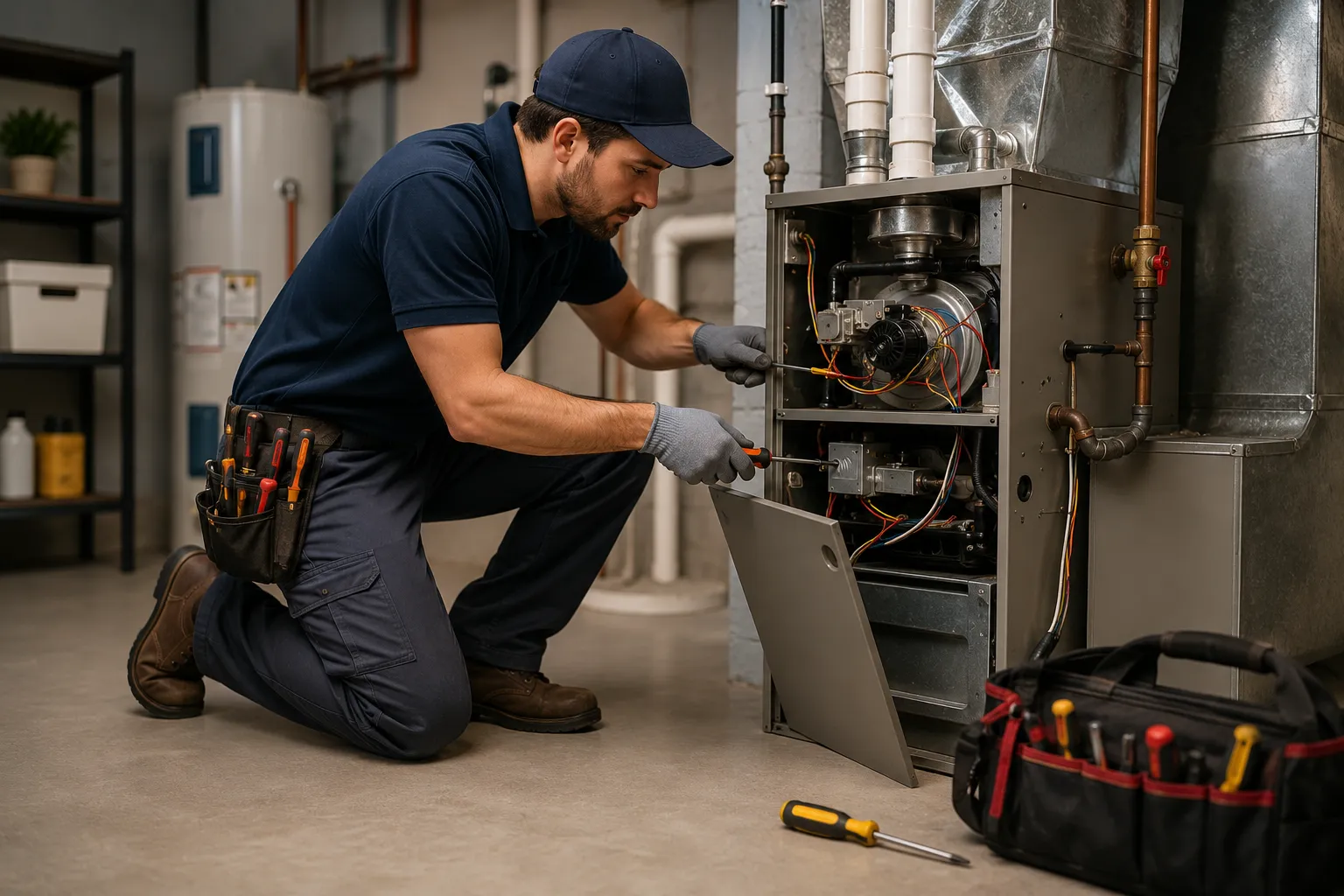
IntroductionEfficient heating depends on selecting the right system, installing it correctly, and maintaining its performance over time. A properly sized heater can distribute warmth more consistently while avoiding unnecessary energy use caused by frequent cycling or excessive operation. Local HVAC Company West Covina services may include evaluating property requirements, recommending suitable heating equipment, completing installation, and checking system performance. Homeowners should also understand how insulation, airflow, thermostat settings, and regular maintenance affect heating efficiency. By understanding the installation process and the factors that influence system performance, property owners can make informed decisions about heating equipment and create a more comfortable indoor environment.How Does Proper Heater Sizing Affect Energy Efficiency?Choosing an appropriately sized heating system is an important part of efficient home heating. The system should have enough capacity to meet the property's heating requirements without being significantly larger or smaller than necessary. Factors such as building size, insulation, windows, layout, and local climate can influence the required heating capacity.Understanding Heating Capacity and Property SizeHeating capacity refers to the amount of heat a system can produce within a specific period. The appropriate capacity depends on more than the property's square footage. Insulation quality, ceiling height, window placement, air leakage, and the property's overall design can also affect heating requirements.A proper evaluation helps determine whether a heating system can provide sufficient warmth without excessive energy consumption. This is especially important when replacing an older system or installing heating equipment in a newly constructed space.Why Oversized or Undersized Heaters Can Cause ProblemsAn oversized heater may reach the desired temperature quickly and then shut off repeatedly. Frequent cycling can affect comfort, increase mechanical wear, and prevent the system from operating efficiently for longer periods.An undersized heater may need to operate for extended periods to maintain the desired indoor temperature. During colder conditions, it may struggle to keep up with demand. Proper sizing helps avoid both situations by matching system capacity with the property's actual heating requirements.How Proper Sizing Supports Consistent Indoor TemperaturesCorrect sizing allows a heating system to operate according to the property's heating demand. Instead of repeatedly switching on and off or running continuously, a properly sized system can provide more consistent temperature control.For homeowners researching a Local HVAC Company West Covina, understanding system sizing can help them ask informed questions about heating capacity, property conditions, and expected system performance.What Are the Main Steps Involved in Heater Installation?Heater installation involves more than simply placing a new unit inside a property. The process generally begins with evaluating the building and selecting suitable equipment. Installation then involves connecting the system, checking airflow and controls, and testing its operation.Assessing the Property Before InstallationBefore installation, the property should be evaluated to determine its heating requirements and existing system conditions. Technicians may consider the building's size, insulation, ductwork, electrical or fuel connections, ventilation, and thermostat location.Existing equipment may also need to be removed or modified. A careful assessment helps identify potential installation challenges before the new system is connected.Connecting and Testing the Heating SystemOnce the equipment is positioned correctly, the necessary electrical, fuel, ventilation, ductwork, or control connections can be completed according to the system's requirements. The exact installation process varies depending on the type of heater.After connections are completed, the system should be tested to confirm that it starts correctly and distributes heat as expected. Testing can also help identify airflow or control issues before the system is placed into regular use.Checking Safety and System Performance After InstallationSafety checks are an important part of heating installation. Depending on the system, this may involve checking connections, ventilation, combustion components, controls, and other relevant safety features.The system can then be operated to evaluate temperature output, airflow, thermostat response, and overall performance. Proper testing helps confirm that the newly installed equipment is functioning as intended.Different properties may require different heating solutions. For example, Furnace Services may be relevant for properties using forced-air furnaces, while Central Air Conditioner Services address cooling equipment that may share components such as ductwork or thermostatic controls.How Can Regular Maintenance Support a Newly Installed Heater?Even a properly installed heating system requires regular attention to maintain its performance. Dust, restricted airflow, worn components, and incorrect settings can gradually affect efficiency. Routine maintenance helps identify developing problems before they become more disruptive.Why Routine Inspections Help Maintain EfficiencyRoutine inspections can help identify issues involving airflow, electrical connections, controls, filters, moving components, and other parts of the heating system. The appropriate maintenance schedule depends on the equipment type, manufacturer recommendations, operating conditions, and usage.Regular checks can also help identify unusual operating patterns. Addressing minor issues early may reduce the likelihood of more significant performance problems later.How Filter Replacement Supports Proper AirflowA dirty or clogged filter can restrict airflow through a forced-air heating system. Restricted airflow can make the system work harder and may reduce the amount of heated air reaching different areas of the property.Filters should be checked and replaced or cleaned according to the manufacturer's recommendations and the conditions in the property. Homes with higher levels of dust or frequent system use may require more frequent attention.Recognizing Early Signs of Heating System ProblemsUnusual noises, inconsistent temperatures, weak airflow, frequent cycling, unusual odors, or unexpected increases in energy use can indicate that a heating system needs attention. These signs do not always point to the same problem, so proper evaluation is important before assuming the cause.Homeowners should also distinguish heating issues from other HVAC concerns. Heater Installation Services focus on installing heating equipment, while Humidifier & Dehumidifier Services address indoor humidity levels that can influence comfort.For properties where a traditional ducted system is not practical, Ductless Mini-Split Services may provide another approach to heating and cooling individual zones. Water-related HVAC issues are separate from space heating, and Water Heater Repair Services generally address equipment used for domestic hot water rather than indoor temperature control.FAQsHow does heater size affect efficiency?A properly sized heater can provide consistent warmth without excessive cycling or prolonged operation.What should be checked before heater installation?Property size, insulation, airflow, existing connections, ventilation, and heating requirements should be considered.How often should a heating system be maintained?Maintenance frequency depends on the equipment and manufacturer recommendations, but regular inspections can help identify developing problems.Can a new heater reduce energy use?A properly selected and installed system may operate more efficiently than an outdated or incorrectly sized system, although actual energy use depends on many property and usage factors.What are common signs of heating problems?Uneven temperatures, weak airflow, unusual noises, frequent cycling, and unexpected energy increases can indicate that a system requires evaluation.

A
Air Now Heating and Cooling Inc.
Aug 14, 2026 49 Reads

Villa Renovation in Dubai: What Homeowners Need to Know Before They Start

Dubai's villa market has matured. A large share of the city's freehold villas — in communities like Jumeirah, Arabian Ranches, Dubai Hills, and Emirates Hills — are now 10 to 20 years old. The layouts were designed for a different era of family living, the finishes have dated, and the MEP systems (electrical, plumbing, HVAC) are due for an upgrade. As a result, villa renovation has become one of the most active segments of Dubai's residential construction market.But a villa renovation is a very different undertaking from renovating an apartment. There's structure to consider, authority approvals to secure, and a much wider scope of trades to coordinate. Homeowners who go in without a clear plan tend to run into the same problems: budgets that creep, timelines that stretch, and a finished home that doesn't quite match what they imagined. This guide walks through what actually matters when planning a villa renovation in Dubai.1. Start With Scope, Not StyleBefore choosing tiles or paint colours, define the scope. Is this a cosmetic refresh — new finishes, updated kitchen and bathrooms — or a structural renovation involving layout changes, wall removals, and MEP rerouting? The two require completely different budgets, permits, and timelines. Most villa owners underestimate how much a layout change affects the rest of the project: moving a single load-bearing wall can trigger new structural drawings, new MEP routing, and a longer approval process.2. Understand the Approval Process EarlyAny structural change to a villa in Dubai requires authority approval — through Dubai Municipality, Trakhees, or the relevant community authority, depending on where the property sits. This isn't a formality. Drawings need to be prepared, submitted, and approved before construction can legally begin, and the process typically takes several weeks. Homeowners who skip this step, or who work with a contractor that treats permits as an afterthought, are the ones who end up with stop-work notices mid-project.3. Budget for the Full Picture, Not Just FinishesA common mistake is budgeting only for visible finishes — flooring, cabinetry, fixtures — while underestimating the cost of what's behind the walls. Rewiring, replumbing, waterproofing, and HVAC upgrades in an older villa can account for a significant share of total project cost, especially if the existing systems don't meet current standards. A realistic villa renovation budget in Dubai should account for structural and MEP work, material sourcing, authority fees, design and project management, and a contingency of at least 10–15% for conditions uncovered once walls are opened.4. Design Before You Build — Not While You BuildThe single biggest driver of cost overruns and delays on villa projects is mid-construction design changes. Every layout decision, material selection, and joinery detail that's finalised after demolition has started tends to cost more, take longer, and create friction between designer and contractor. The more disciplined approach — and the one most experienced renovation teams recommend — is to lock in the full design, materials, and specifications before a single wall comes down. Some Dubai firms, such as Mignon, structure their entire process around this principle, running a dedicated design phase before construction starts so the build matches exactly what was approved. Their approach to a full villa renovation is a useful reference point for what a design-first process looks like in practice.5. Expect an 8–12 Month Timeline for a Full RenovationA comprehensive villa renovation — one that touches structure, MEP, and every room's interior — typically runs 8 to 12 months in Dubai, once design, permits, sourcing, construction, and snagging are all accounted for. Partial renovations (a kitchen, a set of bathrooms, a single wing) move faster, but full-scope projects need this runway to be done properly. Be wary of any quote that promises a full villa transformation in a fraction of that time — it usually means shortcuts somewhere in the process.6. One Team vs. Multiple VendorsVilla owners generally choose between two models: hiring a designer, a contractor, and various suppliers separately and managing the coordination themselves, or working with a single design-build team that holds one contract and one point of accountability. The first model can offer more flexibility on paper, but it also means the homeowner absorbs the risk when the designer's drawings and the contractor's execution don't line up. The second model — increasingly common among serious renovation projects in Dubai — trades some flexibility for a much cleaner chain of accountability from first design to final handover.Final ThoughtsA villa renovation in Dubai is a significant investment, both financially and in time, but it's also one of the most effective ways to extend the life and value of a property in a market where land and location are at a premium. The projects that go smoothly tend to share the same traits: a clearly defined scope, a design that's finalised before construction starts, a realistic budget that accounts for what's behind the walls, and a team that treats authority approvals as part of the process rather than an afterthought. Homeowners who plan around those fundamentals — rather than jumping straight to finishes — are the ones who end up with a result that matches the vision they started with.

r
rabia rasheed
Aug 12, 2026 47 Reads

Benefits of Expert Roofing Services for Bronx NY Homes

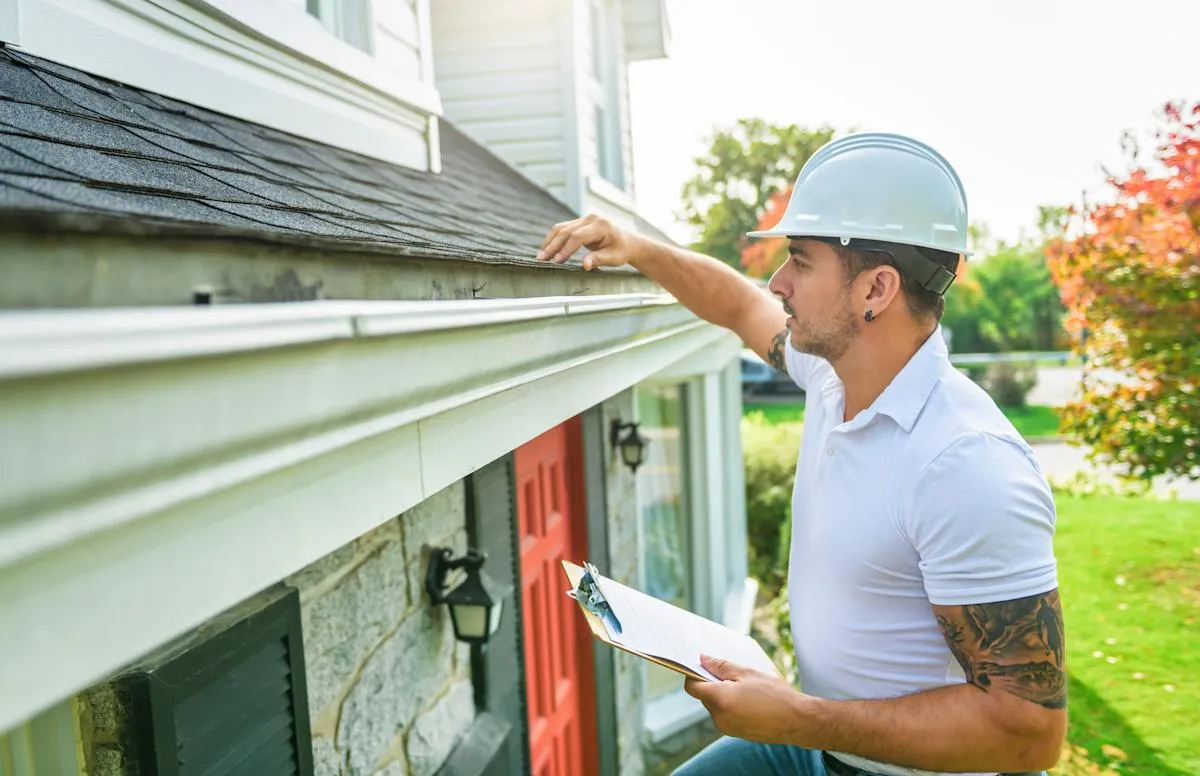
A roof protects a building from rain, wind, sunlight, snow, and changing outdoor temperatures. Because it remains exposed to the weather throughout the year, roofing materials can gradually develop signs of wear. Regular attention can help property owners identify problems before they affect ceilings, walls, insulation, or other parts of the building. A properly maintained roof can also contribute to the overall comfort and protection of a property.Recognizing Early Roofing ProblemsSmall roofing issues are not always easy to notice from inside a building. Missing or damaged shingles, cracked flashing, loose materials, blocked drainage areas, and worn seals can allow water to enter over time. Stains on ceilings or walls may be signs that moisture has already reached the interior. Regular visual checks can help property owners notice changes early and arrange an inspection before the damage becomes more extensive.Protecting the Property From WaterWater is one of the main concerns when a roof is damaged. Even a small opening can allow moisture to reach insulation, wood framing, drywall, and other materials. Continued exposure may contribute to rot, staining, or mold growth. Expert Roofing Services in Bronx NY can help identify areas where water may be entering and determine the appropriate repair method based on the condition of the roof.Choosing Suitable Roofing MaterialsDifferent roofing materials have different characteristics, costs, maintenance needs, and expected lifespans. Asphalt shingles are common because they are available in many styles and are relatively simple to install. Metal roofing can provide durability and a different appearance, while other materials may be selected for specific architectural or performance needs. The right choice depends on the building design, budget, weather exposure, and long-term plans.Understanding Roof VentilationVentilation is an important part of roof performance. Proper airflow can help manage heat and moisture within the roof space. Poor ventilation may contribute to condensation, excessive heat buildup, and premature deterioration of certain materials. A roofing inspection can help determine whether existing vents are functioning properly and whether the roof structure has suitable airflow for the building.Keeping Gutters and Drainage ClearRainwater needs a clear path away from the roof and building. Blocked gutters and downspouts can cause water to collect along roof edges or near the foundation. Leaves, dirt, branches, and other debris should be removed regularly to maintain drainage. Properly positioned downspouts can also help direct water away from the structure and reduce the chance of moisture-related problems.Checking Flashing and Roof EdgesFlashing is used around areas where roofing materials meet walls, chimneys, vents, skylights, and other openings. These locations can be vulnerable to water entry if flashing becomes loose, cracked, or damaged. Roof edges also require attention because wind and weather can affect exposed materials. During maintenance, these areas should be checked carefully instead of focusing only on the main roof surface.Preparing for Severe WeatherStrong winds and heavy rain can place additional stress on roofing systems. Before periods of severe weather, property owners can inspect visible areas, clear drainage systems, and address known weaknesses. After a major storm, the roof should be checked for missing materials, damaged flashing, fallen branches, or other visible changes. Prompt attention can help prevent a minor storm-related problem from becoming a larger water damage issue.Deciding Between Repair and ReplacementA damaged roof does not always need complete replacement. The decision depends on the age of the roof, extent of damage, condition of the underlying materials, previous repairs, and expected remaining lifespan. Small localized problems may be repaired, while widespread deterioration may make replacement more practical. A detailed inspection can provide useful information before a property owner commits to a major project.Planning Roofing Work CarefullyRoofing projects require more than choosing materials and setting a work date. The building's structure, roof slope, drainage, existing materials, ventilation, and surrounding features should be considered. A clear project plan can help reduce delays and unexpected changes. Property owners should also understand the scope of work, material specifications, maintenance needs, and any applicable local requirements before construction begins.Working With a Local Construction TeamRoofing may be part of a larger building project, particularly when repairs involve walls, exterior surfaces, structural components, or additions. Local Construction Company Bronx NY services can be useful when several parts of a property need coordinated work. Having related construction tasks properly planned can make it easier to address underlying issues instead of repairing only the visible roofing problem.Maintaining a Roof After RepairsRoof maintenance should continue after repair or replacement work is completed. Property owners can keep gutters clear, watch for damaged materials, trim branches that hang over the roof, and check interior ceilings for signs of moisture. Professional inspections can also be useful when the roof reaches an older stage or after significant weather events. Consistent care can help preserve roofing materials and reduce unexpected repair needs.Considering Long-Term Roofing CostsThe cheapest roofing option is not always the most economical over time. Material lifespan, maintenance requirements, installation quality, energy performance, and future repair needs can all affect the total cost of ownership. Comparing these factors helps property owners make decisions based on long-term value rather than the initial price alone. A well-planned roofing investment can provide protection while reducing avoidable maintenance concerns.Final Thoughts on Roofing CareA strong roof is an important part of a well-maintained property. Regular inspections, proper drainage, suitable materials, good ventilation, timely repairs, and careful maintenance can help protect the structure from weather-related damage. Property owners who understand these basic roofing considerations can identify potential problems sooner and make more informed decisions about repairs, maintenance, and eventual replacement.

M
Mark Harold
Aug 12, 2026 42 Reads

Benefits of Same Day Oven Repair for Busy Households

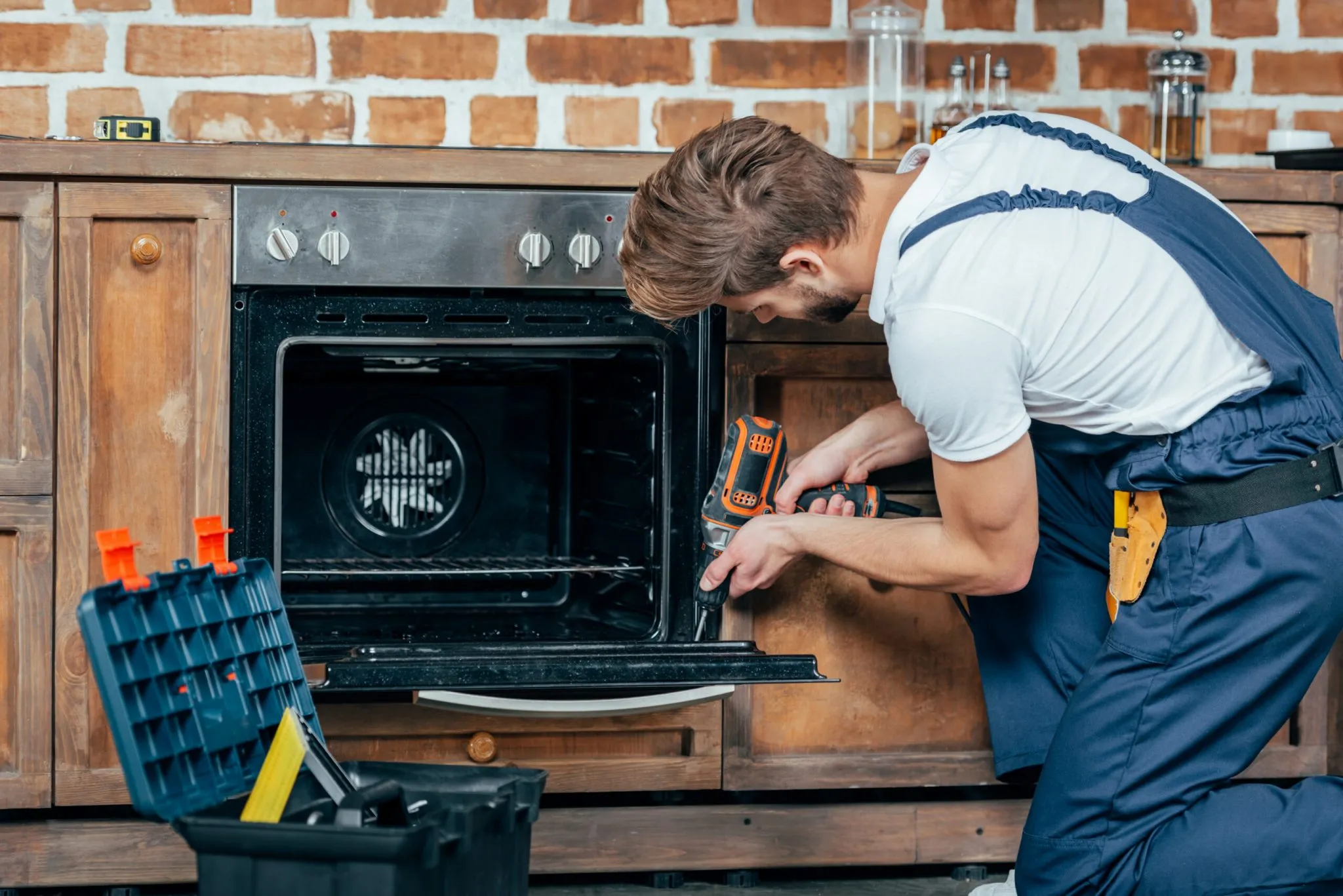
An oven is an important kitchen appliance for preparing meals, baking, roasting, and heating food. Because it is used regularly, small problems can eventually affect its performance. Uneven heating, failure to turn on, unusual sounds, faulty controls, and temperature changes are common signs that an oven may need attention. Recognizing these symptoms early can help prevent a minor fault from becoming a larger repair issue.Why Quick Repairs Can MatterA faulty oven can quickly become an inconvenience, especially when it is needed for daily cooking. Waiting too long may allow a damaged component to place additional strain on other parts of the appliance. Same day oven repair in Douglas GA can provide a practical option when a working oven is needed quickly. Prompt attention may also help homeowners avoid relying on temporary cooking arrangements for an extended period.Dealing With Uneven HeatingUneven heating is one of the most noticeable oven problems. Food may cook faster on one side, remain undercooked, or become overdone even when the correct temperature is selected. Possible causes include heating element problems, temperature sensor issues, airflow restrictions, or control faults. A proper inspection can help determine which component is responsible instead of replacing parts without confirming the cause.Checking Temperature AccuracyAn oven that does not maintain the selected temperature can affect cooking results. If the appliance becomes too hot or does not reach the desired temperature, the thermostat, sensor, control board, or heating components may require inspection. Homeowners should avoid repeatedly changing the temperature to compensate for the problem because this may not correct the underlying fault. Accurate diagnosis is a better starting point.Understanding Heating Element ProblemsElectric ovens commonly use heating elements to produce heat. These components can become damaged, develop visible breaks, or stop heating correctly. A faulty element may prevent an oven from reaching the required temperature or cause uneven cooking. Since heating elements involve electrical connections and high temperatures, repairs should be handled carefully to avoid electrical or burn hazards.Recognizing Gas Oven ConcernsGas ovens require particular attention because they depend on a controlled fuel supply and ignition system. Problems with ignition, burners, valves, or other components can affect operation. A gas smell should never be ignored. If a homeowner suspects a gas leak, the appliance should not be used until the situation has been assessed appropriately. Qualified service is important when gas-related components require inspection or repair.Checking the Oven DoorThe oven door helps maintain the correct internal temperature. A damaged gasket, loose hinge, broken glass, or alignment problem can allow heat to escape. This may cause longer cooking times and make the oven work harder. Inspecting the door and seal can help identify visible problems. If the door does not close properly, repairs should be considered rather than continuing to operate the appliance in that condition.Problems With Controls and DisplaysModern ovens may use electronic displays, touch panels, knobs, and control boards. A blank display, unresponsive buttons, incorrect settings, or error messages can indicate an electrical or control issue. Resetting the appliance may sometimes clear a temporary fault, but repeated problems require further evaluation. Recording any error code can also give a technician useful information during diagnosis.Keeping the Oven CleanRegular cleaning can support normal oven operation. Grease, food residue, and spilled liquids can build up around heating areas and other components. Excessive buildup may create unpleasant odors and can affect performance. Homeowners should follow the manufacturer's cleaning instructions and avoid using unsuitable products that could damage surfaces or electrical components. Keeping the interior reasonably clean also makes it easier to notice visible damage.Choosing Appropriate Repair AssistanceWhen an oven stops working, choosing suitable repair assistance is important. Home appliance repair Douglas GA can help homeowners address faults affecting ovens and other household equipment. A proper service visit should focus on identifying the actual cause of the problem before repair work begins. This approach can reduce unnecessary part replacements and give homeowners a clearer idea of the work required.Repairing Instead of ReplacingA broken oven does not always need to be replaced. If the main structure is in good condition and the problem involves a replaceable component, repair may be a practical choice. The appliance's age, repair history, energy use, available parts, and estimated repair cost should all be considered. Comparing these factors can help homeowners decide whether continued use or replacement makes more financial sense.Preparing for a Service VisitHomeowners can make an appliance repair visit easier by providing useful information about the problem. Details such as when the fault started, what the oven was doing at the time, whether an error code appeared, and whether the issue happens during specific cooking modes can help with troubleshooting. Having the model information available can also make it easier to identify compatible replacement components.Maintaining Oven PerformanceSimple maintenance can help reduce avoidable problems. Avoid placing excessive weight on the oven door, keep vents clear, clean spills when appropriate, and use cookware suitable for the appliance. Following recommended operating instructions can also reduce unnecessary wear. Regular attention does not prevent every failure, but it can help maintain normal operation and make unusual changes easier to notice.Final Thoughts on Oven RepairA malfunctioning oven can interrupt everyday cooking and create unnecessary stress. Understanding common issues such as uneven heating, faulty controls, damaged seals, and ignition problems can help homeowners recognize when professional attention is needed. Prompt diagnosis, suitable repairs, and regular care can keep an oven operating safely and effectively while helping property owners make informed decisions about repair or replacement.

K
Ken barclay
Aug 12, 2026 40 Reads

Benefits of Carpet Stretching for a Better-Looking Floor

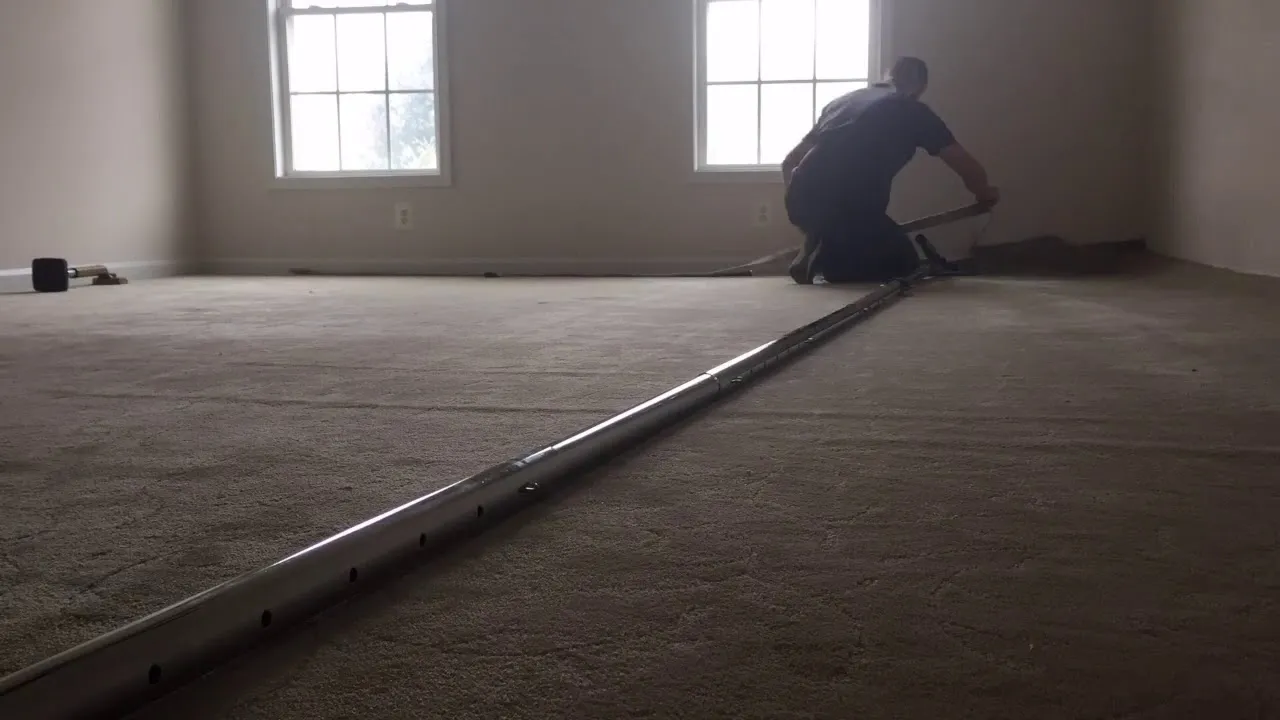
Carpet can lose its smooth appearance over time due to regular foot traffic, furniture movement, humidity, or natural wear. Loose sections may develop waves, ripples, or raised areas that make the floor look untidy and can create a tripping concern. Carpet stretching is a repair process that pulls the material back into proper tension and secures it so the surface becomes smoother and more stable.Why Carpet Develops WrinklesSeveral factors can cause carpet to become loose. Poor installation is one possible reason, especially when the material was not stretched correctly when first installed. Heavy furniture can also affect the carpet over time. Changes in temperature and humidity may contribute to movement, while frequent foot traffic can gradually reduce tension. Understanding the cause is useful because simply flattening a wrinkle may not solve the underlying problem.Improving the Appearance of the RoomWrinkled carpet can make an otherwise clean room appear neglected. Stretching removes many visible ripples and helps restore a more even surface. This can make furniture sit more naturally and give the entire room a cleaner appearance. Instead of replacing carpet that is still in reasonable condition, stretching may provide a practical way to improve its appearance and extend its useful life.Reducing Tripping RisksRaised carpet sections can become a safety concern, particularly in hallways, stairs, entrances, and areas with frequent foot traffic. A person may catch a foot on a loose section and lose balance. Proper stretching helps reduce excessive movement and creates a flatter walking surface. It is still important to inspect the carpet and padding carefully because severe damage may require a different type of repair.Protecting Carpet From Further DamageLoose carpet can experience additional wear when it repeatedly moves underfoot. Fibers may become damaged, seams can be placed under extra stress, and the backing may deteriorate in affected areas. Addressing loose sections early can help limit this type of wear. Professional carpet stretching services can assess the condition of the material and determine whether stretching is suitable for the problem.Inspecting the Carpet Before WorkA proper repair should begin with an inspection. The condition of the carpet, backing, padding, seams, tack strips, and surrounding flooring can affect the results. Some wrinkles may be caused by issues underneath the carpet rather than simple loss of tension. Checking these areas helps determine the appropriate repair method and reduces the chance of treating only the visible symptom.Using the Right EquipmentCarpet stretching requires suitable tools to achieve even tension. Professional equipment can grip the carpet securely and pull it across the affected area without creating unnecessary damage. The material is then positioned and secured properly. Using basic household tools may not provide enough control and can lead to uneven stretching, damaged fibers, or additional wrinkles.Understanding Power StretchingPower stretching is a method commonly used when larger sections of carpet have become loose. The equipment applies controlled tension across the room rather than pulling only a small section by hand. This can produce more consistent results when the carpet has significant movement. The appropriate technique depends on the size and condition of the carpet, so the area should be evaluated before work begins.When Local Stretching May Be EnoughNot every problem requires an entire room to be stretched. A limited wrinkle or loose section may sometimes be corrected with a targeted repair. This can be useful when most of the carpet remains properly secured. The technician should determine whether the issue is isolated or connected to a larger installation problem before deciding how much of the carpet needs attention.Considering Carpet PaddingPadding supports the carpet and contributes to how it feels underfoot. Damaged, compressed, or unsuitable padding can affect the performance of a stretched carpet. If the padding has serious problems, stretching alone may not provide a lasting solution. An inspection can help determine whether the existing padding can remain in place or should be repaired or replaced.Working With Experienced ProfessionalsCarpet stretching is more than simply pulling the material until it looks flat. The correct amount of tension is important because too little may leave wrinkles, while too much can damage the carpet or its backing. Experienced carpet technicians can evaluate the material, use suitable equipment, and secure the carpet correctly. Their approach can help reduce the chance of creating new problems during the repair.Deciding Between Repair and ReplacementCarpet stretching is generally most useful when the carpet is still in acceptable condition but has become loose. Replacement may be more suitable when the material has extensive staining, severe fiber damage, worn backing, major seam failure, or widespread deterioration. Comparing the overall condition of the carpet with the expected repair cost can help property owners choose the more practical option.Maintaining a Stretched CarpetAfter stretching, regular care can help preserve the improved appearance. Vacuuming removes dirt that can wear down carpet fibers, while furniture should be moved carefully to avoid pulling the material. Heavy objects should not be dragged across the floor. Addressing new wrinkles quickly can also help prevent them from becoming larger or causing additional damage.Final Thoughts on Carpet CareCarpet stretching can restore a smoother appearance and improve the usability of flooring that has become loose or wrinkled. A proper inspection is important because the cause of the problem determines whether stretching, padding repair, seam work, or replacement is appropriate. With suitable equipment, careful installation methods, and regular maintenance, property owners may be able to extend the useful life of existing carpet instead of replacing it prematurely.

E
Ellie Goulding
Aug 12, 2026 35 Reads

Benefits of Landscaping Services for Beautiful Outdoor Spaces

A well-planned outdoor space can make a property more enjoyable, functional, and visually balanced. Landscaping involves more than planting flowers or mowing grass. It can include planning plant areas, improving soil, managing drainage, creating pathways, adding outdoor features, and maintaining healthy vegetation. A thoughtful approach helps outdoor areas work with the property's layout while making better use of available space.Planning the Outdoor AreaGood landscaping begins with a clear plan. Property owners should consider how the space will be used before selecting plants or adding features. A yard may need an area for children, entertaining, gardening, relaxation, or simple visual appeal. Sunlight, shade, soil conditions, water availability, existing trees, and property boundaries should also be considered. Planning these details first can reduce unnecessary changes later.Choosing Plants for the LocationPlants should be selected according to the conditions where they will grow. Some plants prefer full sunlight, while others perform better in shaded areas. Soil type, moisture levels, seasonal temperatures, and available space can also affect plant health. Landscaping Services in Dexter MI can help property owners consider these factors when creating planting areas that are practical for the local environment and easier to maintain.Creating a Balanced Garden LayoutA garden can look more organized when plants and features are placed with a clear purpose. Different heights, textures, shapes, and seasonal colors can add visual interest without making the area feel crowded. Taller plants can be positioned toward the back of a bed, while shorter plants can be placed closer to paths or open spaces. Repeating certain plants or materials can also create a consistent appearance.Improving Soil ConditionsHealthy plants depend heavily on suitable soil. Compacted, poorly drained, or nutrient-deficient soil can make it difficult for roots to develop. Before planting, the soil may need to be tested and improved with appropriate organic material or other amendments. Proper preparation gives plants a better foundation and can reduce problems caused by weak growth, poor drainage, or unsuitable soil conditions.Managing Water EffectivelyWater management is an important part of outdoor planning. Too little water can stress plants, while excessive water can damage roots and contribute to drainage problems. Irrigation systems, rain gardens, grading, mulch, and carefully selected plants can all play a role in managing moisture. Efficient watering practices can also reduce waste and make routine yard care easier.Designing Around Existing FeaturesExisting trees, fences, patios, walkways, and structures should be considered before changing a landscape. Removing or moving established features may not always be necessary. Instead, new planting areas can be designed around them. Large trees can provide shade, while existing paths can help determine how people naturally move through the yard. Working with the property's current layout can create a more natural result.Adding Functional Outdoor AreasLandscaping can improve how outdoor space is used. Seating areas, pathways, retaining walls, garden beds, lighting, and other features can turn an unused section of a property into a practical area. The design should match the available space and the property's needs. Clear paths can make movement easier, while defined areas can separate entertainment spaces from planting zones.Selecting Low-Maintenance OptionsNot every homeowner wants a yard that requires constant attention. Low-maintenance plants, mulch, durable ground covers, and efficient irrigation can reduce routine work. Choosing plants suited to local conditions can also help limit watering and replacement needs. Garden design services can be useful when homeowners want an attractive outdoor space while keeping maintenance requirements within a manageable level.Considering Seasonal ChangesA landscape can look different throughout the year. Some plants bloom during specific seasons, while others provide foliage, structure, or texture for longer periods. Planning for seasonal changes can help prevent the yard from becoming visually empty after one group of plants finishes blooming. Combining plants with different growth and flowering periods can create interest across several seasons.Protecting Plants With Proper MaintenanceEven a well-designed landscape needs regular care. Trimming, watering, mulching, weeding, fertilizing, and checking for pests can help plants remain healthy. Maintenance needs vary by plant type and season, so care should be adjusted accordingly. Overwatering and excessive pruning can cause problems just as easily as neglect. A simple maintenance schedule can make outdoor care more consistent.Improving Property AppearanceA thoughtfully maintained landscape can complement the appearance of a home or commercial property. Clean planting beds, healthy grass, defined walkways, and properly maintained trees can create a more organized outdoor setting. The goal does not have to be an elaborate design. Even simple improvements can make the property look more cared for and create a better connection between indoor and outdoor areas.Thinking About Long-Term GrowthPlants should be selected with their mature size in mind. A small plant may eventually become large enough to crowd windows, walkways, utility equipment, or neighboring plants. Giving plants enough room to grow can reduce the need for heavy pruning or relocation later. Long-term planning also helps ensure that trees and shrubs do not create avoidable problems as they mature.Final Thoughts on Landscape PlanningA successful landscape combines thoughtful planning, suitable plants, practical features, proper water management, and ongoing care. Understanding the property's conditions before making changes can help homeowners avoid common mistakes and create outdoor areas that remain useful over time. Whether the goal is a relaxing garden, a functional yard, or improved curb appeal, careful landscape planning can make better use of outdoor space while keeping maintenance needs realistic.

D
Demi Lovato
Aug 12, 2026 33 Reads

Benefits of Custom Plantation Shutters for Modern Homes

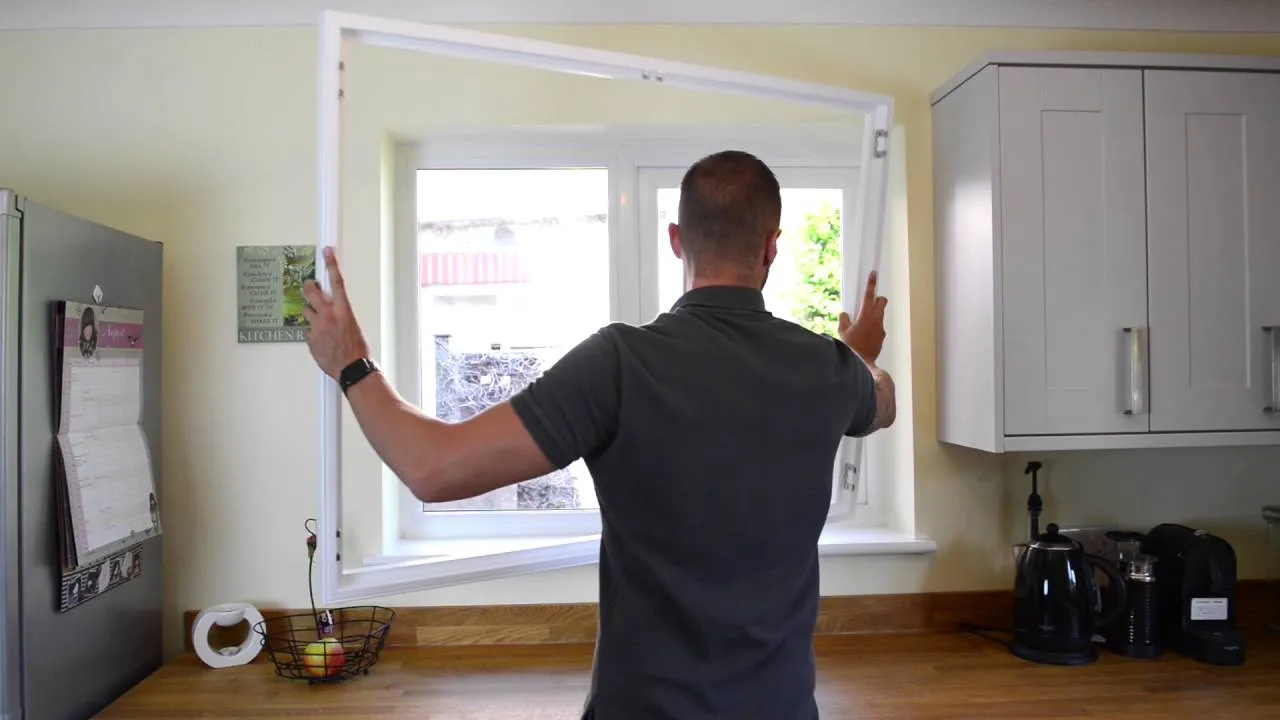
Window coverings can affect privacy, natural light, temperature, and the overall appearance of a room. Plantation shutters are a popular option because they combine adjustable louvers with a structured frame. The louvers can be tilted to control how much sunlight enters the room, while the frame provides a finished appearance around the window. Their simple design also allows them to work with many interior styles.Controlling Natural LightOne of the main advantages of this type of window covering is light control. Louvers can be adjusted to let in a small amount of daylight or opened wider when a brighter room is preferred. This flexibility can be useful throughout the day as sunlight changes. Homeowners can also close the louvers when direct sunlight becomes uncomfortable, helping create a more pleasant indoor environment.Improving Privacy at HomePrivacy is another important consideration when choosing window treatments. Adjustable louvers allow homeowners to limit the view from outside while still allowing some natural light into the room. This can be especially useful for bedrooms, bathrooms, living rooms, and windows facing streets or nearby properties. The level of privacy can be changed quickly without completely blocking daylight.Choosing a Custom FitWindows are not always the same size or shape. Older homes, remodeled rooms, and unusual openings may have dimensions that do not work well with standard products. Custom plantation shutters Ellisville MS can be measured and designed according to the specific window opening. A proper fit can create a cleaner appearance and help the shutters operate smoothly without unnecessary gaps around the edges.Selecting Suitable MaterialsThe material used for shutters can affect appearance, weight, durability, and maintenance needs. Wood can provide a natural look, while composite materials may offer another option for rooms where moisture or regular cleaning is a concern. The best choice depends on the location of the window, interior design, budget, and expected use. Homeowners should compare material characteristics before making a final selection.Matching Different Interior StylesShutters have a clean and structured appearance that can complement many decorating styles. They can work with traditional interiors, modern rooms, simple spaces, and more detailed designs. Color and finish choices also provide opportunities to coordinate the window treatment with walls, flooring, cabinets, and furniture. A carefully selected finish can make the shutters feel like part of the room rather than an added feature.Supporting Temperature ControlWindows can influence how warm or cool a room becomes. During bright periods, closed louvers can reduce direct sunlight entering the space. When outdoor conditions change, adjusting the louvers can help manage the amount of sunlight reaching the room. Shutters should not be viewed as a replacement for insulation or a complete energy solution, but they can be one part of a home's overall approach to indoor comfort.Making Cleaning EasierSome window treatments have many small sections where dust can collect, making them difficult to clean. Shutters have relatively simple surfaces that can usually be dusted or wiped with appropriate cleaning materials. Regular cleaning can keep the louvers and frames looking fresh. Homeowners should follow the care instructions for the specific material to avoid damaging finishes or exposing certain products to excessive moisture.Considering Different Louver SizesLouver size can influence both the appearance and function of a shutter. Larger louvers may provide a more open appearance and allow a wider view when they are tilted, while smaller louvers can create a different visual balance. The right choice depends on window dimensions and personal preference. Looking at samples before ordering can help homeowners understand how different sizes will appear in their rooms.Thinking About Window OperationThe position and operation of the existing window should be considered before installation. Some windows open inward, slide, tilt, or have hardware that could interfere with the shutter frame. Proper planning helps ensure that the finished treatment does not prevent normal window use. Measurements should account for handles, locks, trim, and other features around the opening.Adding Long-Term ValueA well-designed window treatment can remain useful for many years when it is made from suitable materials and maintained properly. Unlike temporary coverings that may need frequent replacement, shutters are installed as a more permanent feature. Their ability to control light and privacy while maintaining a consistent appearance can make them a practical choice for homeowners planning to stay in their property for an extended period.Comparing Shutters With Other OptionsHomeowners can choose from curtains, blinds, shades, and several other window coverings. Each option has different advantages. Curtains can provide softness and decorative variety, while blinds offer adjustable light control in a lightweight format. Shutters provide a more solid appearance and are attached directly around the window opening. Comparing operation, maintenance, appearance, privacy, and expected lifespan can help determine which option fits a particular room.Planning the InstallationInstallation should begin with accurate measurements and a review of the window opening. The frame must be positioned correctly so that doors or panels operate without rubbing or obstruction. Wall conditions, trim, window depth, and existing hardware may also affect the installation. Taking time to plan these details can reduce adjustment problems and help create a cleaner finished result.Final Thoughts on Window ShuttersPlantation shutters can offer a practical combination of light control, privacy, simple maintenance, and lasting visual appeal. Their custom sizing makes them suitable for windows with different dimensions, while various materials, colors, finishes, and louver sizes provide design flexibility. By considering window operation, room conditions, material selection, and installation requirements, homeowners can choose a window treatment that supports both everyday comfort and the overall look of their home.

T
Tom Roberts
Aug 12, 2026 38 Reads

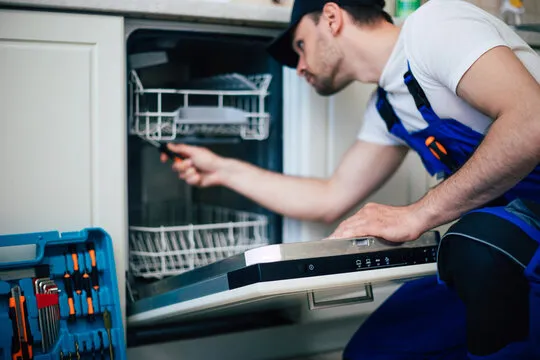
Benefits of Dishwasher System Services for Homeowners

A dishwasher is a useful kitchen appliance that saves time and reduces the effort required for cleaning dishes. Like other household equipment, it depends on several mechanical, electrical, and water-related components working together. Regular care and timely repairs can help keep the appliance working properly. Understanding common problems and basic maintenance needs can help homeowners protect their dishwasher and avoid unnecessary interruptions.Recognizing Common Dishwasher ProblemsDishwashers can develop different problems as they age or experience frequent use. Dishes may remain dirty after a cycle, water may collect at the bottom, or the machine may fail to start. Strange noises, unusual smells, leaks, and poor drying can also indicate a problem. Paying attention to these changes is useful because early action may prevent a small issue from becoming more difficult or expensive to repair.Checking Water Supply IssuesA dishwasher needs a steady supply of water to complete its cleaning cycle. A closed valve, restricted hose, blocked filter, or water pressure issue can affect performance. If the appliance fills slowly or does not fill at all, the water supply should be checked. Homeowners should avoid forcing connections or attempting complicated plumbing work without proper knowledge, especially when leaks or damaged fittings are involved.Keeping Filters CleanThe dishwasher filter collects food particles and other debris during operation. Over time, buildup can restrict water movement and create unpleasant odors. A dirty filter may also affect cleaning performance because the same debris can circulate through the appliance. Following the manufacturer's instructions for removing and cleaning the filter can help maintain proper water flow and support better washing results.Inspecting Spray ArmsSpray arms distribute water throughout the dishwasher during a cleaning cycle. Food particles, mineral deposits, or other debris can block their small openings. When this happens, water may not reach dishes evenly. Homeowners can periodically inspect the spray arms and clean visible buildup according to the appliance instructions. If the arms do not rotate properly or appear damaged, further inspection may be necessary.Understanding Drainage ProblemsProper drainage is important because dirty water needs to leave the dishwasher after washing. A clogged filter, blocked drain hose, or pump problem may cause water to remain inside the unit. Standing water should not be ignored because it can lead to odors and affect later cycles. If basic cleaning does not solve the problem, a qualified technician may need to inspect the drainage components.Dealing With LeaksWater around a dishwasher should always receive attention. Leaks can come from hoses, seals, connections, the door area, or internal components. Even a small leak can eventually damage nearby cabinets, flooring, or walls. If water is escaping from the appliance, turning off the water supply and electrical power when appropriate can help reduce risk while the problem is evaluated.Improving Cleaning PerformancePoor cleaning results do not always mean that the dishwasher needs major repairs. Overloading the racks, blocking the spray arms, using an unsuitable detergent, or placing dishes incorrectly can reduce performance. Large items should be arranged so that water can reach smaller dishes. Using the recommended detergent and selecting a suitable cycle can also improve results and reduce unnecessary strain on the appliance.Checking Heating and Drying FunctionsThe heating system helps provide hot water during washing and assists with drying at the end of a cycle. If dishes remain unusually wet or water does not become sufficiently warm, a heating component or control system may require attention. These parts can involve electrical connections, so homeowners should avoid attempting repairs without suitable technical knowledge. A professional assessment can identify the actual cause.Choosing the Right Repair SupportWhen a dishwasher has a technical problem, choosing suitable repair assistance can make the process easier. An appliance system repair company can inspect the appliance, identify the source of the problem, and explain available repair options. A proper diagnosis is important because replacing parts without finding the actual cause may waste time and money. Homeowners should provide details about the symptoms to help with troubleshooting.Considering Repair or ReplacementNot every dishwasher problem means the appliance needs to be replaced. The decision may depend on the appliance's age, condition, repair history, energy use, and cost of the required work. A relatively minor component failure may be worth repairing, while repeated major problems on an older unit may make replacement more practical. Comparing the expected repair cost with the appliance's remaining useful life can help guide the decision.Maintaining the Appliance RegularlyBasic maintenance can help reduce avoidable problems. Cleaning the filter, checking spray arms, removing food debris, keeping the door seal clean, and using the appliance according to the manufacturer's instructions are useful steps. Homeowners should also avoid placing unsuitable items inside the dishwasher. A few minutes of routine care can help preserve performance and reduce buildup over time.Why Professional Service Can HelpSome dishwasher problems require more than basic cleaning. Electrical faults, drainage failures, damaged pumps, control problems, and internal leaks can be difficult to diagnose without proper tools and experience. Professional Dishwasher System Services in Boca Raton FL can provide a more detailed evaluation when simple maintenance does not solve the issue. Proper diagnosis can help avoid unnecessary part replacements and restore normal operation more efficiently.Final Thoughts on Dishwasher MaintenanceA dishwasher works best when its water supply, drainage, filters, spray arms, heating components, and controls operate together correctly. Regular cleaning and careful use can support reliable performance, while timely professional attention can help address technical problems. By recognizing warning signs, maintaining accessible components, and making informed repair decisions, homeowners can extend the useful life of their dishwasher and keep an important kitchen appliance working effectively.

J
John
Aug 12, 2026 30 Reads

Benefits of Interior Home Inspections for Property Owners

An interior home inspection provides a closer look at the condition of important areas inside a property. It can help identify visible problems with walls, ceilings, floors, doors, windows, electrical components, plumbing fixtures, and other systems. The purpose is not simply to find faults but to give property owners a clearer understanding of the building's current condition. This information can support better decisions about maintenance, repairs, buying, or selling a home.Checking Walls and CeilingsWalls and ceilings can reveal signs of moisture, movement, poor workmanship, or other concerns. Inspectors may look for cracks, stains, peeling finishes, damaged surfaces, and areas that appear uneven. A small mark may have a simple cause, but some signs can point toward a larger issue behind the surface. Interior home inspection Gulf Breeze FL can help document these visible conditions so property owners know which areas may require further attention.Examining Floors and StairsFloors should provide a stable and reasonably even walking surface. During an inspection, visible damage, loose flooring, excessive movement, and signs of moisture may be noted. Stairs also deserve careful attention because loose components or damaged surfaces can create safety concerns. Inspectors may review steps, railings, landings, and other accessible areas to identify conditions that should be repaired or monitored.Reviewing Doors and WindowsDoors and windows affect security, ventilation, comfort, and everyday use. An inspection can include checking whether they open and close properly and whether visible frames, glass, locks, and surrounding areas appear to be in suitable condition. Damaged seals or signs of moisture around windows may deserve further investigation. Properly functioning openings can also help reduce unwanted drafts and improve the overall usability of interior spaces.Looking at Electrical ComponentsElectrical systems are an important part of a property inspection. Accessible outlets, switches, fixtures, panels, and other visible components may be reviewed for signs of damage or unsafe conditions. Inspectors generally focus on observable issues rather than opening concealed areas or performing invasive work. If a concern is identified, a qualified electrician may be recommended for further evaluation and repair.Inspecting Plumbing FixturesInterior plumbing fixtures can show signs of leaks, poor drainage, corrosion, or other problems. Sinks, toilets, tubs, showers, visible supply lines, and accessible pipes may be checked during an inspection. Water stains or damp areas around plumbing fixtures can also provide useful clues. Addressing leaks early can help prevent damage to flooring, walls, cabinets, and other building materials.Evaluating Kitchens and BathroomsKitchens and bathrooms contain several systems that require regular use, including plumbing, electrical fixtures, ventilation, cabinets, and flooring. These rooms may receive special attention during an inspection because moisture and frequent use can contribute to wear. Inspectors may document visible damage, leaks, ventilation concerns, or fixture problems. Property owners can then decide which issues require immediate repair and which can be handled as part of routine maintenance.Checking Ventilation and Indoor ConditionsGood ventilation helps control moisture and supports a more comfortable indoor environment. Bathrooms, kitchens, laundry areas, and other rooms may need adequate ventilation to reduce excess humidity. Inspectors can look for visible signs of poor ventilation, such as condensation or moisture-related damage. A property with ongoing humidity problems may need additional evaluation to determine the underlying cause.Reviewing the Heating and Cooling SystemInterior areas connected to heating and cooling equipment can provide useful information about system performance. Accessible vents, thermostats, registers, and visible components may be examined for obvious concerns. Uneven temperatures, weak airflow, unusual sounds, or other changes in operation may be worth reporting. A specialized HVAC technician may be needed when an issue requires technical testing beyond a standard inspection.Identifying Moisture-Related ConcernsMoisture is one of the conditions property owners should take seriously. Stains, damaged finishes, musty odors, swollen materials, or visible mold-like growth can indicate that water has entered an area or that humidity is too high. An inspection may document visible evidence, but determining the exact source may require additional testing or specialized evaluation. Finding moisture concerns early can help reduce the chance of more extensive property damage.Why Inspections Matter Before BuyingA property inspection can provide useful information before a purchase is completed. Buyers may notice the appearance of a home during a viewing but may not recognize less obvious maintenance concerns. An inspection offers a more structured review of accessible areas and systems. Property inspection Gulf Breeze FL can give buyers information they can use when discussing repairs, planning future maintenance, or deciding whether the property fits their expectations.Maintaining an Existing PropertyInspections are not only useful for buyers. Current homeowners can also benefit from understanding the condition of their property. A periodic review may reveal issues that have developed over time, especially in older homes. Finding minor problems before they become major repairs can help with maintenance planning and budgeting. Inspection findings can also provide a useful record of areas that need monitoring.Understanding the Inspection ReportAfter an inspection, the report should be reviewed carefully rather than focusing only on the number of issues listed. Not every finding represents a major defect. Some items may be routine maintenance concerns, while others may require prompt attention or evaluation by a specialist. Understanding the difference can help property owners prioritize repairs and avoid unnecessary worry about minor conditions.Final Thoughts on Interior InspectionsAn interior inspection gives property owners valuable information about the visible condition of a home. Reviewing structural surfaces, plumbing, electrical components, windows, doors, floors, ventilation, and other accessible areas can reveal concerns that may otherwise be overlooked. Whether preparing to buy a property or maintaining an existing home, an inspection can support practical decisions and help create a clearer plan for repairs and ongoing care.

T
Tien Blackwood
Aug 11, 2026 36 Reads

Safety Begins with the Right Equipment

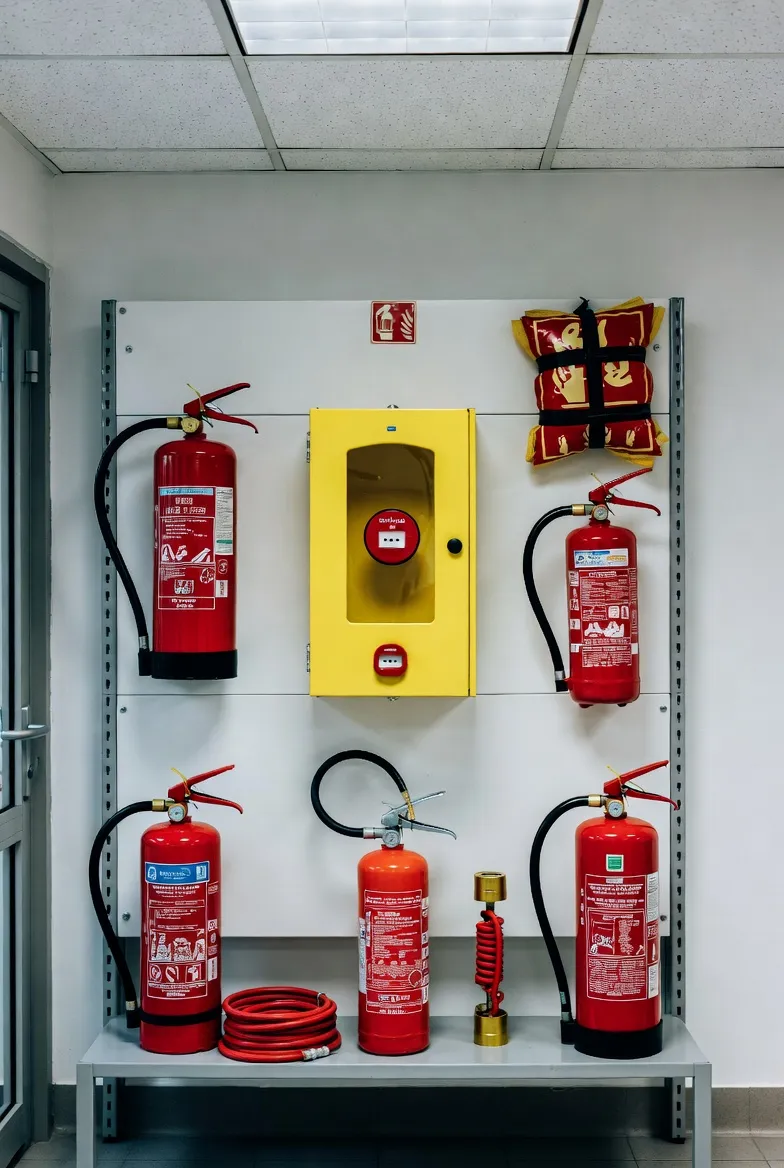
A safe building is created through thoughtful decisions made before an emergency occurs. Proper fire protection helps people respond to dangerous situations faster, limit potential damage, and protect valuable property. Svarog Best offers professional solutions for customers who understand that reliable protection starts with choosing equipment suited to the actual conditions of a facility.Who We AreSvarog Best specializes in professional fire protection products and solutions for different types of customers and facilities. The company pays close attention to product functionality, application, and practical requirements, helping customers approach fire safety as a complete task rather than a collection of unrelated purchases.Its approach is built around responsibility and careful selection. The team understands that every facility has its own characteristics, so the right solution depends on where the equipment will be used, what risks exist, and what level of protection is expected.What We Offer / Product FeaturesSvarog Best presents a range of products intended for different fire protection needs. The assortment is suitable for various environments, including offices, commercial premises, warehouses, production facilities, public spaces, and other locations where fire safety requires dependable equipment.The range allows customers to consider different protection tasks and choose products according to the characteristics of a particular site. This flexibility is important because a small office, a warehouse, and an industrial facility can have very different risks and operational requirements.The focus is on practical products that can contribute to an organized fire protection system and help businesses and individuals prepare for situations that should never be taken lightly.When It’s UsefulThe Svarog Best assortment can be useful for:equipping newly opened premises;renewing existing fire protection solutions;improving safety in workplaces and commercial buildings;protecting warehouses and production areas;preparing public and service facilities;replacing equipment that no longer meets current needs;selecting appropriate products for a specific protection system;strengthening overall preparedness for fire-related emergencies.A well-considered approach is particularly important wherever people regularly gather or valuable equipment, materials, documents, and other property are stored.Why Choose Svarog BestThe strength of Svarog Best lies in its combination of professional assortment and attention to practical customer requirements. The company does not treat fire protection as a secondary detail. It recognizes that properly selected equipment is an essential part of responsible facility management.Customers can choose from a specialized range while considering the particular conditions of their premises. The focus on functionality, suitability, and dependable solutions helps make the purchasing process more meaningful and reduces the risk of choosing products that do not correspond to real needs.Fire protection should be planned in advance, and the equipment should be selected with the same care given to any other important safety system. Svarog Best helps make that process more structured and accessible.Discover the Available SolutionsThe full Svarog Best collection is available for customers who want to review professional fire protection products and select solutions for their specific needs:https://svarogbest.com/ua/g139368379-protivopozharnoe-oborudovanie

K
Kolestar
Aug 03, 2026 59 Reads

Thoughtful Design for Sustainable Structures That Stand the Test of Time

Great construction begins long before the first foundation stone is laid. It starts with careful thought, deep technical knowledge, and a sincere commitment to creating structures that remain safe, resource-efficient, and relevant for decades to come.Who We AreAPB is a modern architectural and engineering bureau dedicated to responsible, future-ready construction practices. Combining classical engineering traditions with advanced modeling tools, the team creates projects that honor environmental harmony and technical reliability. Transparency, precision, and respect for client aspirations drive every stage of the studio’s work.What We Offer / Product FeaturesThe bureau designs residential complexes, public facilities, and specialized infrastructure projects. The scope covers initial concept development, master planning, structural calculations, and detailed engineering design to ensure smooth execution on site. Every layout balances natural ventilation, solar exposure, energy storage efficiency, and structural longevity.When It’s UsefulBuilding energy-efficient residential or municipal buildings designed for low ecological impact.Developing complete engineering packages for challenging topographies or complex soil conditions.Restructuring historic or aging buildings while integrating high-performance modern heating and cooling.Establishing master plans for suburban communities prioritizing green spaces and utility resilience.Why Choose UsAPB combines aesthetic sensitivity with uncompromising structural rigor. By resolving technical challenges early in the design phase, the team protects clients from unexpected costs during construction. Every blueprint reflects absolute precision, environmental mindfulness, and lasting value.Call to ActionComprehensive information regarding design stages, project documentation, and consultation booking is available directly at: https://apb.ua/products/proyektuvannya_321c

D
Digiloster