Sep 06, 2026
•
24 Reads
Best Roofing Company in Arlington TX Expert Roof Repair & Replacement by HomePro CR
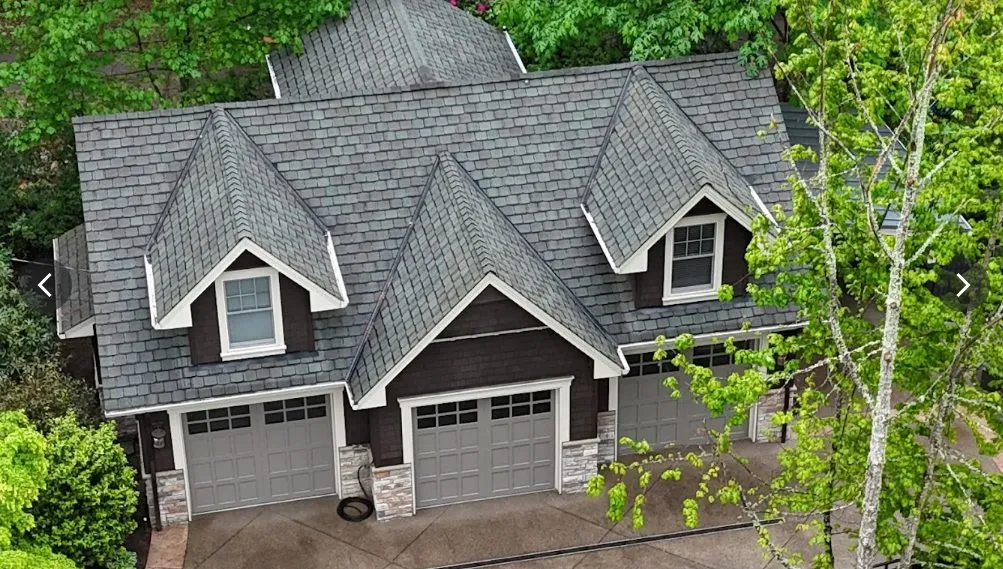
When homeowners and businesses need dependable roofing services, choosing the right roofing company can make a significant difference. A roof is one of the most important components of any property because it protects the building from weather, moisture, heat, wind, and other environmental conditions. In Arlington, Texas, roofing systems face particular challenges from intense summer heat, heavy rain, strong winds, and severe storms. For these reasons, property owners need a roofing contractor that understands local conditions and can provide professional solutions.HomePro CR is a roofing and restoration company serving customers in the Arlington and North Texas area. HomePro Roofing and Construction is listed in Arlington with a 5.0 rating on Angi, based on four reviews, and its listed services include roofing, roofing repairs, emergency services, free estimates, and warranties.This article explores why professional roofing matters, the services homeowners should consider, and how a company such as HomePro CR can help Arlington property owners protect and maintain their roofs.Why Choose a Professional Roofing Company in Arlington TX?Roofing may appear straightforward from the ground, but professional roofing involves much more than installing shingles. A properly constructed roofing system includes decking, underlayment, flashing, ventilation, Solar Panel Arlington TX, shingles or another roofing material, and other components that work together.When one part of the system fails, the problem can affect other areas of the property. A small roof leak, for example, can eventually result in damaged insulation, ceilings, drywall, framing, or other parts of the building.A professional roofing company can inspect the roof, identify visible and potential problems, and recommend an appropriate course of action. This can help homeowners avoid unnecessary repairs and address issues before they become more expensive.Arlington's Weather and Its Impact on RoofsArlington experiences weather conditions that can put significant stress on roofing systems. High temperatures and prolonged sun exposure can affect roofing materials over time, while storms can produce wind, hail, and heavy rainfall.After a major storm, homeowners may notice missing or damaged shingles, exposed roofing materials, damaged flashing, clogged gutters, or water intrusion.Not every type of storm damage is immediately visible from the ground. Some damage can be subtle and may only become apparent after additional weather exposure.That is why a professional roof inspection following a significant storm can be useful, particularly when homeowners notice leaks or other warning signs.Roof Inspection ServicesA roof inspection is an important first step when determining the condition of an existing roofing system.A professional inspection can examine areas such as:· Shingles or other roof coverings· Flashing· Roof valleys· Ventilation· Gutters and drainage· Roof penetrations· Visible signs of moisture· Areas of storm damage· General roof conditionAn inspection can help determine whether a roof needs a minor repair, more extensive restoration, or complete replacement.For homeowners who are buying or selling a property, a roof inspection can also provide useful information about the condition and expected maintenance needs of the roofing system.Residential Roofing in ArlingtonResidential roofing is one of the most important services a local roofing contractor can provide. Homeowners depend on their roofs to protect their families and possessions throughout the year.Residential roofing projects can include new roof installation, repairs, replacement, storm-damage restoration, inspections, and maintenance.The appropriate solution depends on factors such as the roof's age, material, condition, extent of damage, and the property's specific requirements.HomePro Roofing and Construction is listed as providing asphalt shingle roofing repair in Arlington, along with broader roofing services. Angi also reports that the company offers emergency services, free estimates, and warranties.Roof Repair ServicesRoof repairs can address problems before they develop into larger structural issues.Common roofing problems include:· Missing shingles· Damaged shingles· Roof leaks· Cracked or deteriorated materials· Damaged flashing· Storm damage· Water intrusion· Damaged roof edges· Problems around vents and other penetrationsA professional roofing contractor should first identify the source of the problem before determining the appropriate repair.For example, a ceiling stain does not necessarily indicate that the roofing material directly above the stain is the source of the leak. Water can travel through roofing components before entering the interior of a building.Proper diagnosis is therefore essential.Roof Replacement in Arlington TXThere comes a point when repairing an aging roof may no longer be the most practical option. If a roofing system has extensive deterioration or repeated problems, replacement may provide a more reliable long-term solution.Roof replacement generally involves removing the existing roofing material, inspecting the underlying structure, addressing necessary repairs, installing new roofing components, and completing the new roof system.A professional contractor can assess the condition of the existing roof and explain whether replacement appears necessary.Homeowners should not automatically assume that every damaged roof requires complete replacement. In many cases, targeted repairs may be sufficient. A thorough inspection can help distinguish between the two.Storm Damage and Hail DamageNorth Texas weather can create challenging conditions for roofing systems. Severe storms can produce strong winds and hail that damage roofing materials.After a storm, homeowners should look for obvious signs such as missing shingles or visible debris. However, some damage may be difficult to identify without a closer inspection.Professional storm-damage inspections can help property owners understand the condition of the roof following severe weather.HomePro Roofing and Construction's Arlington listing specifically identifies roofing repair among its services and reports emergency services as available.Emergency Roofing ServicesRoofing emergencies can occur when severe weather damages a roof or when a sudden leak threatens the interior of a building.An emergency roofing service can help property owners respond quickly to urgent problems.Emergency situations may include:· Significant roof leaks· Storm damage· Missing sections of roofing· Damage caused by falling branches· Exposed roofing areas· Water entering the building· Damage that threatens interior propertyThe first priority during a roofing emergency is protecting people. If severe weather is still occurring, homeowners should avoid going onto the roof and should remain in a safe location.Once conditions are safe, a professional roofing contractor can assess the damage and determine appropriate temporary or permanent repairs.Commercial Roofing in ArlingtonRoofing needs are not limited to residential properties. Businesses, warehouses, offices, retail facilities, apartment buildings, and other commercial properties also require reliable roofing systems.Commercial roofing can involve different materials and installation methods from residential roofing. The appropriate roofing system depends on the structure, building use, roof design, drainage requirements, and other factors.HomePro Roofing and Restoration is described by the Better Business Bureau as providing both residential and commercial roofing services, including roof inspections, installation, repair, replacement, metal roofing, and flat roofing.For businesses, maintaining the roof is particularly important because roofing problems can disrupt normal operations and potentially damage inventory, equipment, or interior spaces.Gutter and Water ManagementA roofing system depends on proper drainage.Gutters and downspouts help direct rainwater away from the roof and building. When gutters become clogged or damaged, water may overflow and collect near the roofline or foundation.HomePro Roofing and Restoration is listed by the Better Business Bureau as offering gutter installation and related exterior services.Regularly checking gutters can therefore be an important part of property maintenance.Roofing MaterialsDifferent roofing materials offer different characteristics, appearances, lifespans, maintenance requirements, and costs.Asphalt ShinglesAsphalt shingles are widely used in residential roofing because they are available in numerous styles and are generally practical for many residential applications.Metal RoofingMetal roofing can provide durability and a distinctive appearance. It is used in both residential and commercial applications.Flat RoofingFlat and low-slope roofs are common on many commercial buildings and require appropriate materials and drainage systems.Tile RoofingTile can provide a distinctive architectural appearance and is used on certain residential and commercial properties.The best roofing material depends on the property's design, budget, performance requirements, and other considerations.Roofing MaintenanceRegular maintenance can help property owners identify roofing problems before they become major issues.Maintenance may include visual inspections, checking flashing, examining drainage systems, removing accumulated debris, and addressing small problems promptly.Homeowners should also keep trees and branches from creating unnecessary risks around the roof. Overhanging branches can potentially damage roofing materials during storms.Routine maintenance does not guarantee that a roof will never develop problems, but it can help property owners stay aware of the condition of their roofing system.Signs You May Need a Roofing ContractorKnowing when to call a roofing company can help homeowners respond before damage becomes extensive.Potential warning signs include:· Water stains on ceilings or walls· Missing or damaged shingles· Visible roof deterioration· Granules accumulating in gutters· Sagging areas· Damaged flashing· Recurring leaks· Unexplained moisture· Drafts or visible daylight through roof areas· Damage following a stormSome signs may be caused by issues other than the roof, so professional inspection can help determine the actual source.Choosing the Best Roofing Company in Arlington TXSelecting a roofing contractor is an important decision. Property owners should consider several factors before hiring a company.ExperienceA contractor with experience working on different roofing systems may be better prepared to identify potential problems and recommend appropriate solutions.ReputationCustomer reviews can provide insight into communication, workmanship, punctuality, and customer service. However, homeowners should consider the number and recency of reviews rather than relying on a single rating.HomePro Roofing and Construction currently has a 5.0 rating from four reviews on Angi, with reviewers highlighting professionalism, communication, workmanship, and cleanup.Range of ServicesA roofing company that can provide inspections, repairs, replacements, and storm-related services can be useful when roofing needs change over time.Estimates and CommunicationBefore work begins, homeowners should understand what is included in the project, the expected scope of work, materials, schedule, and applicable warranty information.Insurance and CredentialsProperty owners should independently verify a contractor's current licensing, insurance, and other credentials where applicable. The Better Business Bureau specifically notes that licensing and insurance information should be verified by homeowners because such information can change.HomePro CR for Arlington RoofingHomePro CR can be positioned as a roofing option for Arlington homeowners seeking professional roofing and construction services.The Arlington listing for HomePro Roofing and Construction reports 16 years of experience and identifies roofing among its services. It also lists emergency services, free estimates, and warranties.For property owners, having access to a contractor that can handle both routine roofing requirements and urgent problems can be valuable.Whether the project involves repairing damaged shingles, investigating a leak, replacing an aging roof, or responding to storm damage, the first step should be a proper assessment of the property's condition.The Importance of Quality WorkmanshipA roof is not simply a collection of shingles or roofing panels. It is a complete system designed to manage water, withstand weather, provide protection, and work with the building's structure.Quality workmanship therefore matters at every stage of a roofing project.Proper preparation, careful installation, appropriate flashing, effective drainage, and attention to detail can all contribute to the performance of a finished roofing system.For this reason, homeowners should avoid choosing a contractor solely because of the lowest quoted price. A low initial price may not represent the best value if the project involves inadequate materials, poor installation, or unexpected future repairs.Protecting Your InvestmentA home is often one of the largest investments a person Solar Panel Arlington TX. The roof plays an important role in protecting that investment.Ignoring a small leak or delaying repairs after a storm can potentially allow water to reach areas that are more expensive to repair. Addressing roofing problems early can help homeowners manage maintenance more effectively.Professional inspections can also give property owners a better understanding of the current condition of their roof.ConclusionChoosing the best roofing company in Arlington TX requires careful consideration of experience, reputation, services, communication, workmanship, and professional credentials.Arlington homeowners face a range of weather conditions throughout the year, making reliable roofing particularly important. From routine inspections and repairs to complete roof replacement and storm-damage restoration, professional roofing services can help protect residential and commercial properties.HomePro CR offers roofing and construction services for customers in the Arlington and North Texas area. Its Arlington listing reports a 5.0 rating on Angi based on four reviews and identifies roofing repairs, emergency services, free estimates, and warranties among its offerings.For homeowners considering a roofing project, the best approach is to arrange a professional assessment, understand the condition of the existing roof, compare the recommended options, and make an informed decision based on the property's needs.Whether you need a minor roof repair, storm-damage assessment, maintenance, or a complete roof replacement, working with an experienced roofing professional can help keep your Arlington property protected for years to come.